Apple Sues OpenAI for Trade Secret Theft Over Its Secret Hardware Push
Apple sued OpenAI on July 10, 2026 for trade secret theft, alleging a systematic campaign to poach staff and steal hardware designs for OpenAI's io device. Here's what the complaint says.
News Report

What Happened
Apple has opened a new front in its escalating rivalry with OpenAI — this time in federal court. On July 10, 2026, Apple filed a 41-page complaint in the U.S. District Court for the Northern District of California, accusing OpenAI of orchestrating "a systematic campaign to steal confidential hardware designs, manufacturing processes, and supplier relationships." The target of that alleged theft: the secretive AI device OpenAI is building through its hardware subsidiary, io.
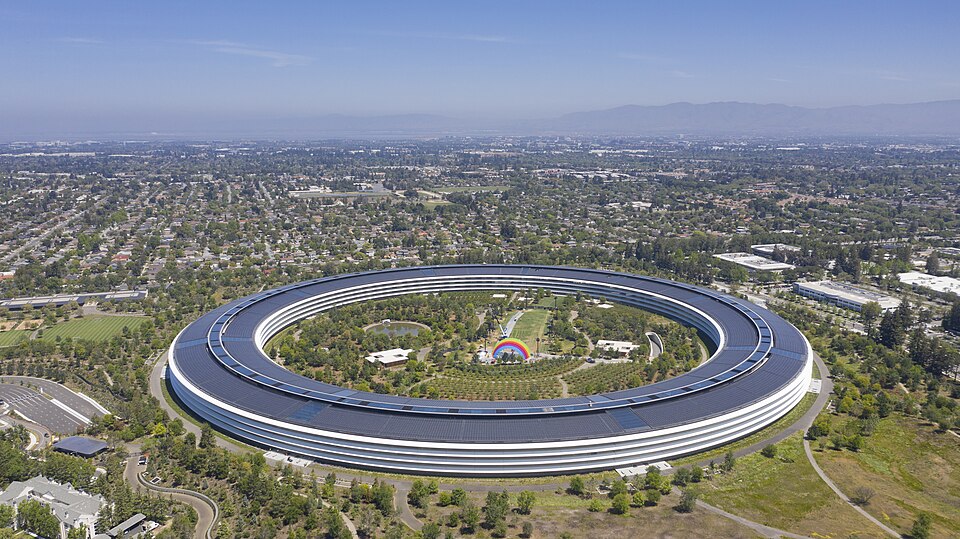
The suit lands amid an already tense relationship between the two companies. Apple ships OpenAI's models inside parts of Apple Intelligence, yet the two are now open competitors in the race to define the next consumer hardware category. Apple says it first raised its concerns with OpenAI privately in February 2026 and got no response — so it went to court.
Who Apple Is Suing
The complaint names four defendants, each cast in a specific role in the alleged scheme:
- OpenAI — the AI company itself, accused of directing and benefiting from the campaign.
- io — the hardware startup co-founded by former Apple design chief Jony Ive and acquired by OpenAI in 2025 in a deal valued at roughly $6.5 billion. io is building the physical AI device at the center of the dispute.
- Tang Yew Tan — OpenAI's chief hardware officer and a 24-year Apple veteran who previously served as a VP of product design.
- Chang Liu — a former senior systems electrical engineer at Apple who left for OpenAI.

The presence of Ive's io and a pair of high-profile ex-Apple hardware leaders is what gives the case its edge. These are not junior hires — they are the people who once helped define the iPhone's industrial design, now building a rival device under the OpenAI banner.
The Core Allegations
At the heart of the complaint is the claim that OpenAI didn't just recruit Apple talent — it allegedly encouraged those hires to bring Apple's crown jewels with them. According to Apple, the alleged misappropriation covers a broad slice of its hardware know-how:
- Industrial design and metal-finishing techniques — the proprietary processes Apple uses to give its devices their finish and feel.
- Power and battery component designs, along with confidential supplier specifications.
- Manufacturing and testing procedures for logic boards.
- Internal project codenames, product plans, and more than 1,000 pages of engineering documentation.

Apple's most vivid allegation concerns Tan. The complaint claims he used interviews as an intelligence-gathering exercise, quizzing candidates who still worked at Apple about unannounced products and asking them to bring "actual parts" from Apple's offices to "show and tell" sessions — along with CAD files and prototypes. Apple also says io approached suppliers using internal Apple terminology and misrepresented that it had Apple's authorization to use Apple's confidential metal-finishing methods.
The Laptop Bug and the 'Walkout'
The single most striking claim involves Chang Liu. Apple alleges that Liu kept his Apple-issued work laptop after leaving the company and discovered an authentication bug that let him reach Apple's network file storage even after his departure — while he was already employed by OpenAI building hardware.
According to the complaint, Liu treated the flaw casually. Apple quotes him messaging a contact, "LOL, I found out I can access the [network storage], so funny," and later noting "I still have another computer" — which Apple reads as intent to keep the access going. While the hole was open, Apple says, Liu downloaded dozens of files, many explicitly marked confidential.

The complaint also describes an alleged playbook for departures. Apple says OpenAI coached leaving employees on how to evade Apple's security procedures — including how to avoid the "dreaded walkout," Apple's practice of immediately escorting employees out and cutting their access once they give notice. Departing staff were allegedly advised not to sign Apple's exit agreements, which typically reaffirm confidentiality obligations.
The 400-Employee Brain Drain
Underlying the specific accusations is a bigger number that frames Apple's whole argument: the company says more than 400 former Apple employees now work at OpenAI. Apple doesn't claim that hiring is illegal in itself — talent moves between tech giants constantly, and California law makes non-compete agreements largely unenforceable.
What Apple alleges is that OpenAI turned ordinary recruiting into a vehicle for misappropriation: targeting people with access to sensitive hardware programs, then encouraging them to carry Apple's confidential information across the door. In Apple's telling, the scale of the hiring and the pattern of the alleged conduct are what turn a talent war into a trade-secrets case.
What Apple Is Asking For
Apple frames the alleged theft as an "ongoing pattern" rather than a one-off incident, and its central demand is to stop it. The company is seeking to halt what it describes as continued misappropriation of its trade secrets through OpenAI's recruiting — the kind of injunctive relief that, if granted, could constrain how OpenAI hires from Apple and force the return or destruction of any Apple materials in its possession.

Trade-secret suits under California and federal law can also carry substantial damages, including for any unjust enrichment a defendant gained from using stolen information. The complaint's detailed, named allegations — quoted text messages, specific documents, individual defendants — suggest Apple intends to litigate this aggressively rather than settle quietly.
OpenAI's Response
OpenAI has pushed back firmly. In a statement, the company said: "We have no interest in other companies' trade secrets. We remain focused on building innovative technology that empowers people everywhere."
That denial sets up the core factual fight ahead. Apple will have to show not just that former employees possessed confidential information, but that OpenAI knowingly directed or benefited from taking and using it. OpenAI, for its part, can argue that hiring experienced hardware engineers — and the general knowledge they carry — is legitimate competition, not theft. Where "general skill and knowledge" ends and "protected trade secret" begins is exactly the line these cases turn on.
Why It Matters
This is more than a corporate spat. It is a collision between the company that has defined premium consumer hardware for two decades and the company most aggressively trying to build the device that could replace the smartphone. OpenAI's io project — Jony Ive's return to hardware, now with OpenAI's models inside — is one of the most watched bets in tech, and Apple's suit takes direct aim at how it is being built.
The case also spotlights a tension the whole industry is living through: the AI talent war has become so intense that the movement of a few hundred engineers can trigger a landmark legal fight. If Apple prevails, or even wins an injunction, it could reshape how aggressively AI companies poach from hardware incumbents — and force everyone to be far more careful about what, exactly, walks out the door with a departing employee. For now, the two companies remain partners in some products and adversaries in court, an awkward duality that will define their relationship through a case likely to run for years. Apple posts its official statements through its Newsroom.
Read the original source
Head to the original source for the full announcement and complete details.
Read Original Source