Intel's AI Comeback Is Real: $16.1B Quarter, 59% Server Growth, and a Supply Crunch
Intel reported $16.1B in Q2 2026 revenue (up 25%) with data-center AI sales up 59% and EPS of $0.42, doubling estimates. Inside the chipmaker's AI-driven turnaround.
News Report

What Happened
Intel — the chipmaker that spent most of the last five years being written off as a casualty of the AI era — just reported second-quarter 2026 results that blew past every expectation on Wall Street. Revenue came in at $16.1 billion, up roughly 25% year over year and about $1.8 billion above the midpoint of the company's own guidance. Non-GAAP earnings per share landed at $0.42, more than double the roughly $0.20 analysts had penciled in.

It was Intel's fastest revenue growth since the third quarter of 2011, and its seventh consecutive quarter beating financial expectations. The engine behind the surge was the one part of the business investors had feared Intel was losing: data-center and AI silicon. Shares, which had fallen roughly 28% heading into the print, jumped in after-hours trading as the market digested a simple, surprising message from Santa Clara — Intel's turnaround is no longer a promise, it's showing up in the numbers.
A Blowout Quarter
Start with the scale of the beat. A 25% revenue jump is extraordinary for a company Intel's size, and it did not come at the expense of profitability — non-GAAP gross margin reached 41.8%, about 280 basis points above the 41.0% the company had forecast. Operating cash flow was $7.0 billion, and Intel closed the quarter with roughly $30 billion in cash and short-term investments, giving it the balance sheet room to keep funding an expensive manufacturing build-out.
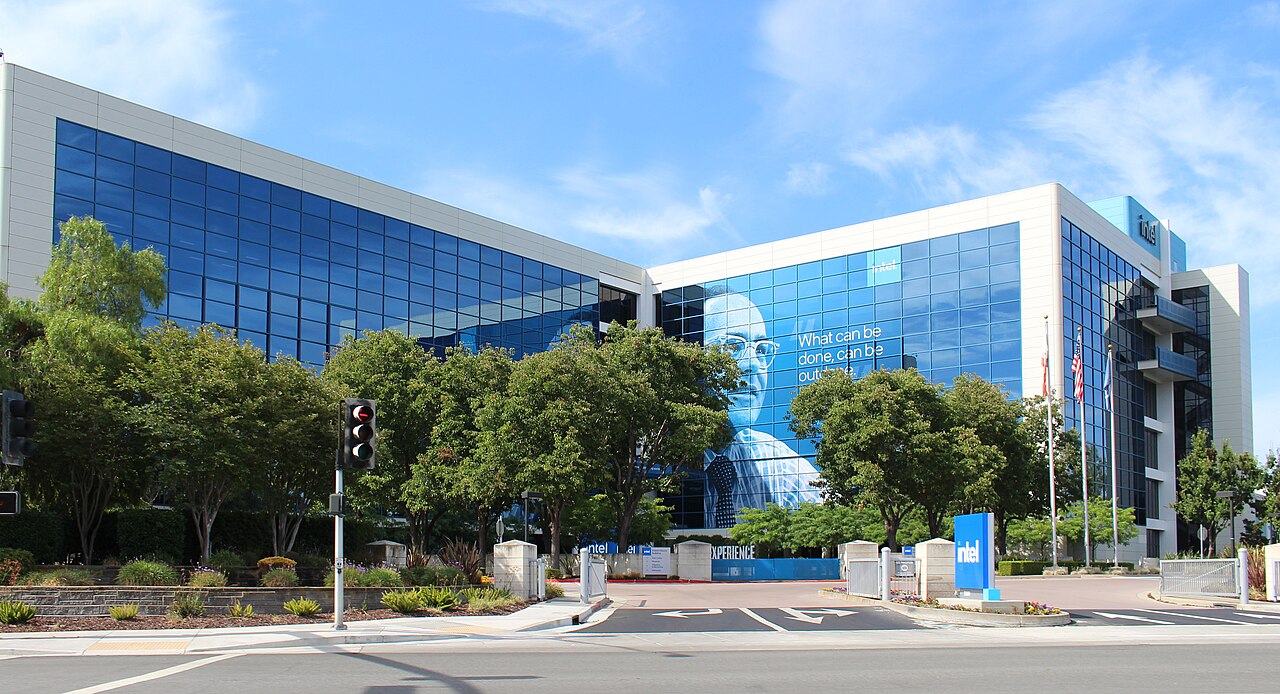
Just as important, the guidance did not disappoint. Intel pointed to third-quarter revenue of $15.8 billion to $16.8 billion — a $16.3 billion midpoint that would extend the growth streak — with gross margin around 42% and EPS near $0.38. After years of the company setting expectations low and then missing anyway, delivering both a big beat and a confident outlook is what convinced skeptics something structural has changed.
Data Center and AI Lead the Charge
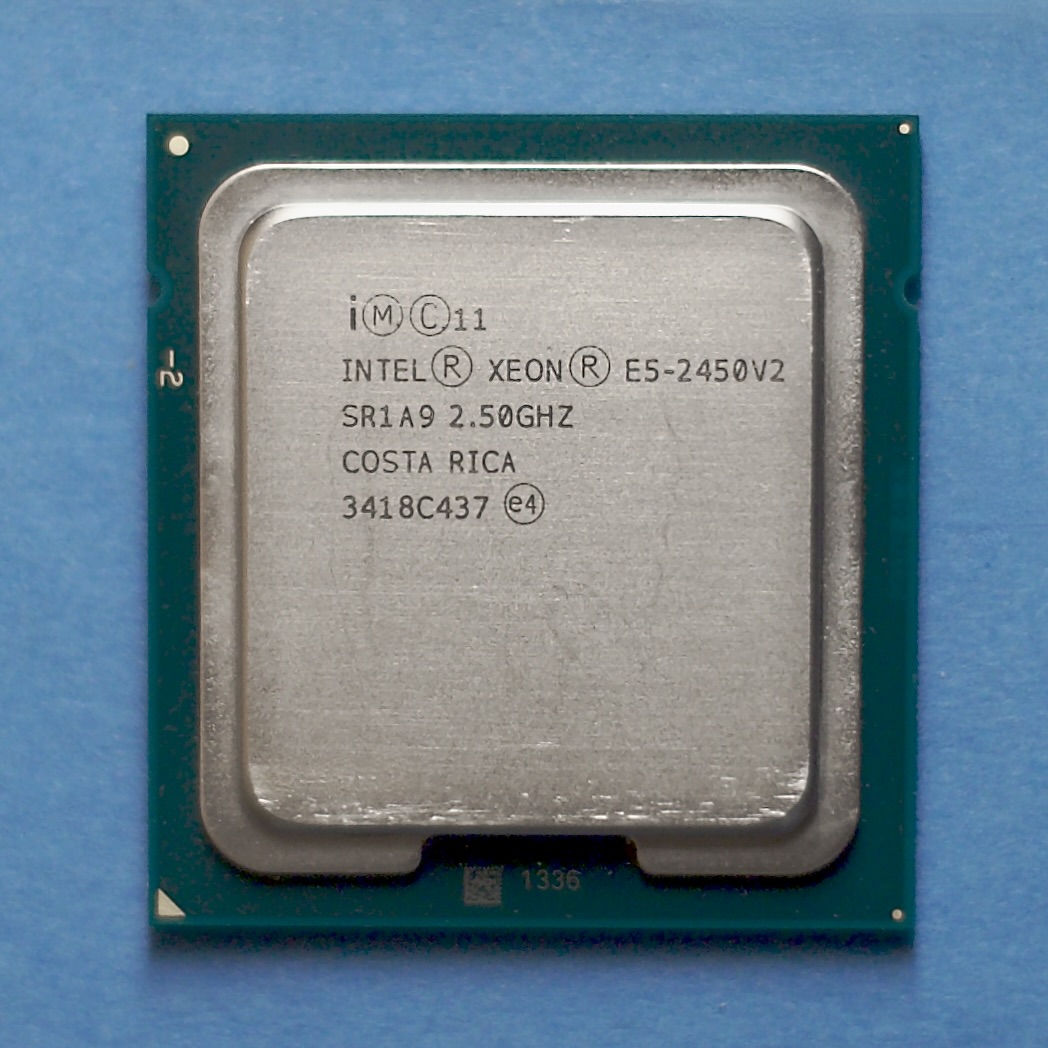
The clearest signal in the report is where the growth is coming from. Intel's Data Center and AI (DCAI) group posted $6.3 billion in revenue, up 59% year over year and 24% sequentially, throwing off $2.5 billion of operating profit at a healthy 40% margin. Server growth of 59% is the fastest in Intel's history, powered by its Xeon 6 processors — which CEO Lip-Bu Tan called "one of the fastest ramping products in Intel history."
The story is bigger than Xeon. Intel's purpose-built silicon business — custom ASICs designed for specific customer workloads, including a security-processor deal with Fortinet — grew nearly threefold year over year to roughly a $2 billion run rate, a market Tan framed as "a massive opportunity, potentially over a $100 billion TAM." Add it up and CFO David Zinsner told analysts that AI-driven businesses now represent roughly 70% of total revenue and are growing more than 70%. The company long dismissed as having "missed AI" is now, by its own accounting, mostly an AI business.
Nor is the AI demand confined to the data center. In the client group, AI PC revenue rose 26% sequentially and now makes up two-thirds of the segment, as Windows refresh cycles and on-device AI features push buyers toward newer, higher-margin chips. "Our AI-driven market prospects don't stop at the PC," Zinsner said.
Demand Now Outpaces Supply
For a company that spent years worrying about weak demand, the most striking line from the call was about the opposite problem. "Strong demand for our products continues to outpace our growing supply," Tan said. Intel is now supply-constrained — data-center customers are asking for more chips than it can build, and management has signed 10 long-term agreements to lock in that demand.
The bottleneck is not Intel's own wafer output but the back end of the supply chain: substrates and memory. "Memory is the big supply constraint challenge," Tan acknowledged, and Zinsner was blunt that the shortfall won't be fixed quickly — "We will not catch up in the fourth quarter." To attack the problem, Intel recently hired Seok-hee Lee, the former CEO of SK hynix, to lead memory integration strategy. Being sold out is a far better problem than the one Intel faced a year ago, but it does cap how fast the AI windfall can grow in the near term.
18A, Foundry, and the Turnaround Bet
Underneath the demand story sits the bet the whole turnaround rests on: Intel's manufacturing. The company's leading-edge 18A node — the process Intel is counting on to win back both its own products and outside foundry customers — is now yielding ahead of schedule, roughly 25% above internal targets, with output up more than 50% quarter over quarter. Its Panther Lake client chips saw manufacturing costs fall about 50% year over year as yields improved.
Intel's Foundry business generated $5.8 billion in revenue, up 6% sequentially, and the roadmap beyond 18A is progressing: the more advanced 14A process design kit is on track for an October release, and Tan said he is "increasingly confident that 14A will be a highly competitive process offering." To feed all of this, Intel raised its 2026 capital spending to more than $20 billion, up from earlier plans of around $18 billion, and signaled 2027 capex will be "significantly" higher still — a sign the company is investing into the demand rather than harvesting it.
Lip-Bu Tan's Reset Is Working
When Lip-Bu Tan took over as CEO, he inherited a company that had lost its manufacturing lead to TSMC, missed the first wave of AI accelerators, and burned through cash and credibility trying to rebuild its foundry business. His prescription was a painful reset: sharpen the product roadmap, get 18A to real, competitive yields, chase custom-silicon deals, and impose spending discipline until the technology could justify the investment.

This quarter is the strongest evidence yet that the reset is landing. "We remain very disciplined," Zinsner said. "We will put capex in place when confident." That confidence — a fast-ramping Xeon 6, an AI PC upgrade cycle, a tripling custom-silicon pipeline, and an 18A node beating its own yield targets — is precisely what Intel has lacked for years. The market's reaction, sending a beaten-down stock sharply higher after hours, reflected how low expectations had fallen and how convincingly this print exceeded them.
The Risks Beneath the Rally
One quarter does not undo a decade of hard problems. Intel still faces a memory and substrate crunch it admits won't ease this year, meaning some of the demand it is now booking simply can't be filled. The foundry business, while growing, remains a long, capital-hungry campaign to win marquee external customers away from TSMC — and a single blockbuster quarter doesn't prove Intel can hold the leading edge across multiple future nodes.
There is also the macro risk hanging over the entire industry: so much of Intel's growth now rides on AI capital spending. If hyperscalers conclude they have over-provisioned compute, or if a cheaper approach to training and inference cools the appetite for new silicon, Intel would feel it alongside everyone else. Building fabs is a multi-year, tens-of-billions commitment made against demand booked only quarters ahead. For now, though, the order book, the guidance, and the yield curves all point the same direction.
Why It Matters
Intel's revival matters far beyond its own share price. For years the AI-chip narrative had exactly one winner — Nvidia — with TSMC as the indispensable foundry and everyone else, Intel included, cast as roadkill. A quarter in which Intel grows data-center revenue 59%, turns AI into 70% of its business, and finds itself sold out complicates that story. It suggests the AI build-out is broad enough to lift a second American chipmaker, and that competition at the leading edge is not dead.
For customers, a healthier, capacity-adding Intel means more supplier choice in CPUs, custom silicon, and eventually foundry capacity at a moment when advanced chips are the scarcest resource in tech. For U.S. policymakers who have poured incentives into domestic chipmaking, a resurgent Intel with a working 18A node is close to the outcome they were paying for. And for an industry that had all but written the company's obituary, this quarter is a reminder that in semiconductors, a credible manufacturing comeback can rewrite the standings fast. Intel's official figures and statements are published in its investor and press releases.
Read the original source
Head to the original source for the full announcement and complete details.
Read Original Source