ChatAndBuild Turns Its AI-Built Agents Into Tradeable On-Chain Assets
ChatAndBuild launched Non-Fungible Agents on BNB Smart Chain under the BAP-578 standard, turning agents built from prompts into ownable, tradeable on-chain assets. What it means and what is still unclear.
News Report

What ChatAndBuild announced
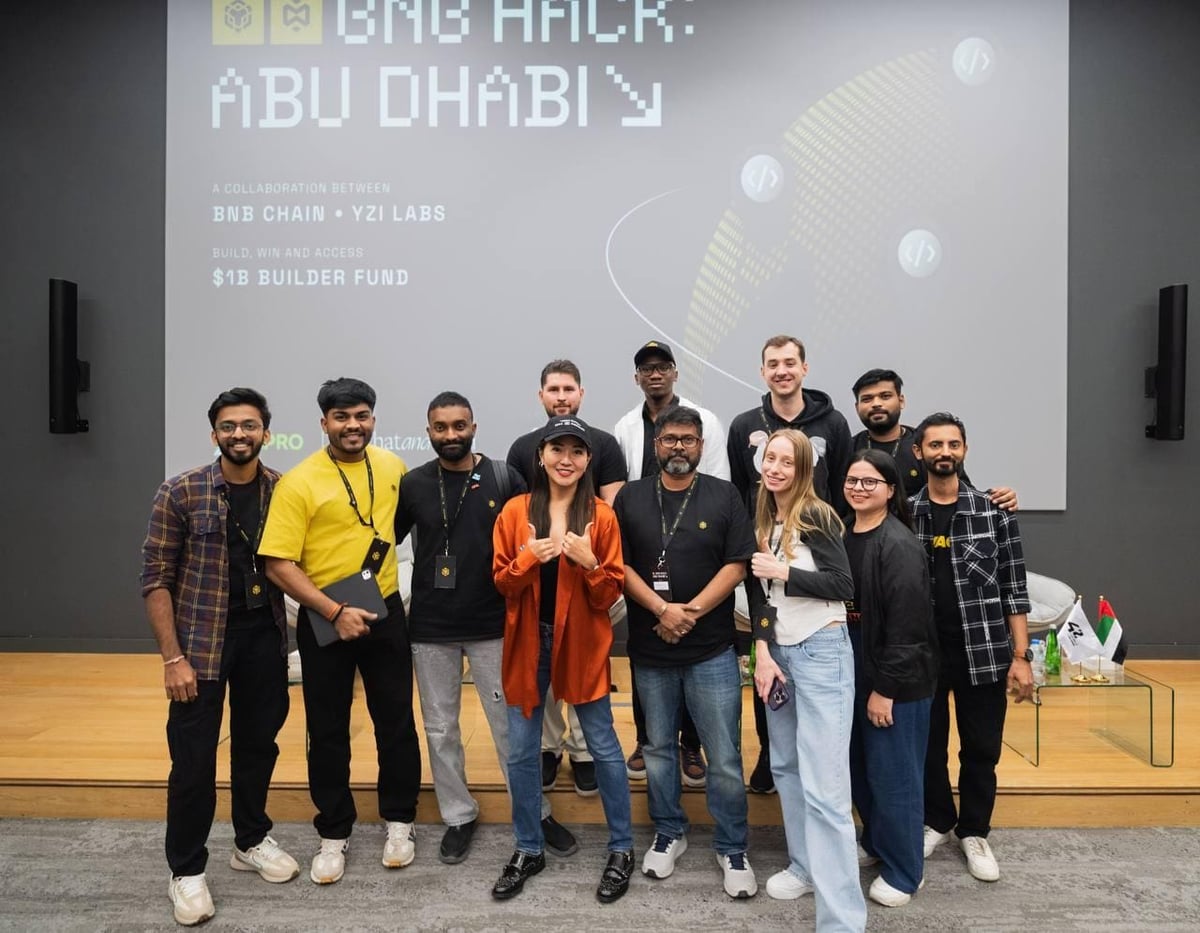
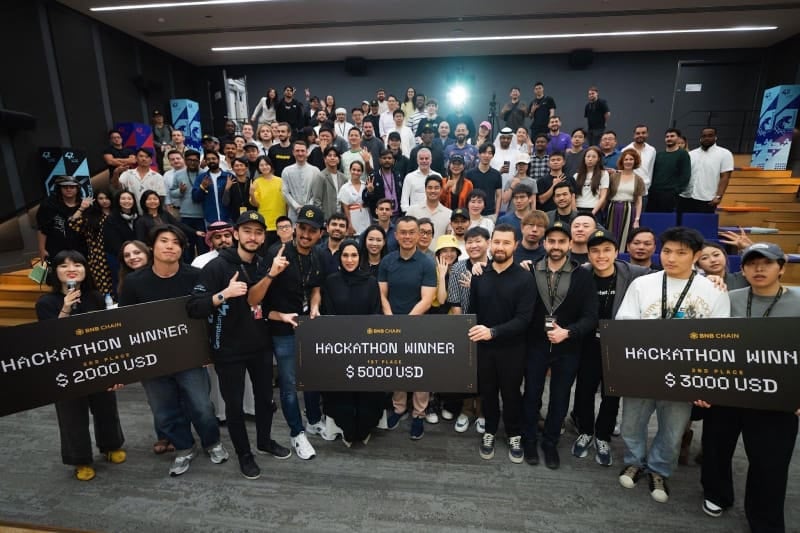
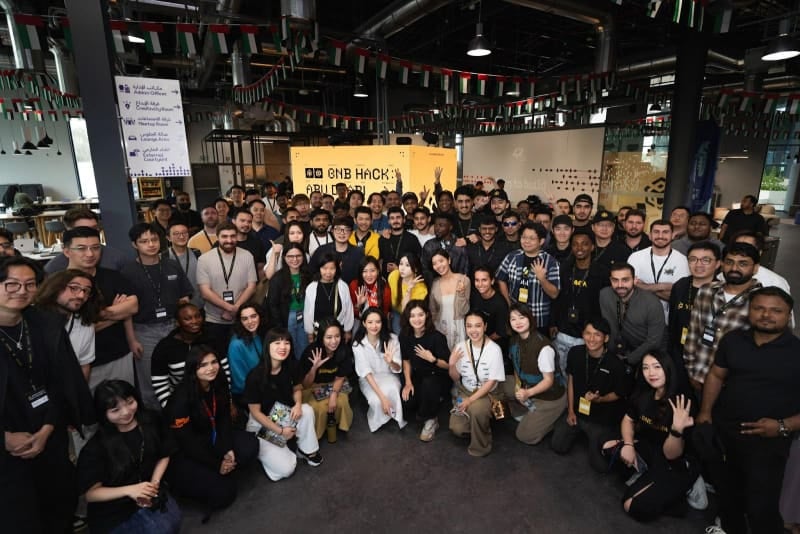
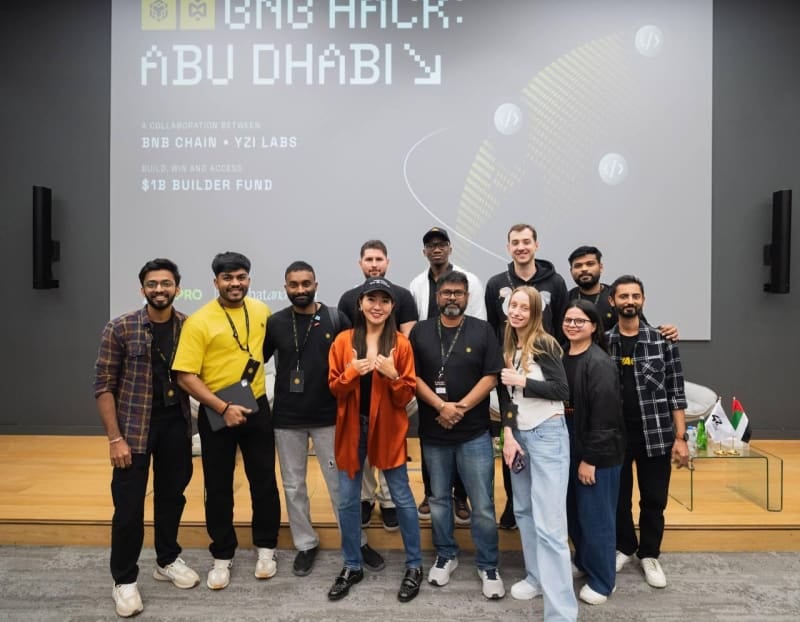
ChatAndBuild, an AI platform that turns plain-language prompts into working apps, workflows and agents, used its appearance at BNB Hack Abu Dhabi to launch what it calls Non-Fungible Agents (NFAs): agents built on the platform that can be owned, upgraded and traded as on-chain assets. The company announced them in January 2026, deployed on BNB Smart Chain mainnet under a token standard it has named BAP-578.
The claim is a change in what an agent is. An agent you build on ChatAndBuild has until now lived inside your account. The company's framing is that a Non-Fungible Agent instead carries an on-chain identity you hold in a wallet, can hand to someone else, and can sell. Founder and CEO Christel Buchanan summed it up: "ChatAndBuild lets anyone create AI apps. Non-Fungible Agents let you own your AI identity."
Why it matters
Prompt-based app builders have multiplied over the past two years, and most of them stop at the same place: you describe an app, the tool generates it, and the result lives on the vendor's platform. Tying an agent to an on-chain token is an attempt to answer a different question, which is ownership. If an agent is a tradeable asset, a person who builds a useful one can in principle sell it rather than only run it, and a buyer gets something that outlives the builder's account.
That is the theory, and the mechanics deserve a separate look. "Non-Fungible Agent" and "BAP-578" are ChatAndBuild and BNB Chain's own names, not an independently ratified standard, and the release's description of BAP-578 as the first token standard for on-chain AI agents is the company's framing rather than a verified fact. What is concrete: the agents run on BNB Smart Chain's mainnet, and BNB Chain is publicly backing the effort. Its Walter Lee said, "BNB Chain is becoming the home for AI-powered innovation."
How the agents are meant to work
ChatAndBuild describes three properties for a Non-Fungible Agent: ownership, upgradeability and tradeability. Ownership and tradeability follow from the token model, since an on-chain asset can sit in a wallet and change hands. Upgradeability is the more interesting piece. An agent is not a static picture the way a typical NFT is; its behaviour can shift as it is retrained or extended. How an upgrade is recorded against the token, and who controls it after a sale, are the details that will decide whether the idea is more than a label.
Two gaps in the announcement are worth watching. There is no public price for minting or trading an NFA, and ChatAndBuild does not publish plan pricing without an account at all. The release also does not spell out what a buyer actually receives: the running agent, the rights to its future output, or a wrapper that still leans on ChatAndBuild's servers to function.
The platform behind the announcement
ChatAndBuild debuted worldwide on August 8, 2025, pitching AI app creation in more than 40 languages, including Japanese, Arabic, Korean and Mandarin, from a phone or a laptop. It runs on Anthropic's Claude Sonnet 4. At that launch it shipped Figma-to-code import through Anima, Stripe payments, custom domains across 50-plus DNS providers, Supabase-backed databases with real-time APIs, and GitHub syncing.
The company reported thousands of apps built across 30-plus countries at the debut, with named partners including the University of Oxford, Singapore's Lorong AI, and Web3 firms Babylon, Avail, Livepeer and thirdweb. By the BNB Hack Abu Dhabi announcement it put its user base at more than 140,000 people across 111 countries. Anima founder Avishay Cohen, sizing up the field in August 2025, said, "Bolt and Replit are exploding in the US, Lovable is taking Europe, and ChatAndBuild is rising fast across the UK and Asia."
Around the core builder sits a wider suite: ChatChat, a social layer for building and sharing personalized agents; a Business tier for enterprise workflows; and Abundant Intelligence, a set of paid courses. Its persistent-memory layer is branded the Living Brain, and it advertises connections to more than 40 external tools, among them GitHub, Slack, Notion, Gmail, Google Workspace, Microsoft 365, Zoom, Jira, Binance, Plaid, Uber, Instagram and LinkedIn.
What to watch next
The announcement is a direction, not yet a track record. The questions that will show whether Non-Fungible Agents become a real market are practical ones: what it costs to mint and trade one, what a buyer is actually acquiring, and whether agents change hands because they are useful or because they are speculative. ChatAndBuild has tied its answer to a single chain and a token standard it authored, which concentrates both the upside and the risk. For anyone already building on the platform, nothing about the existing app builder changes; the on-chain layer is an addition, and as of September 2026 it is early enough that watching how the first traded agents behave is the sensible move.
Read the original source
Head to the original source for the full announcement and complete details.
Read Original Source