Shield Analytics Review: The LinkedIn Dashboard Is Shutting Down, and What to Do Now
Shield Analytics is shutting down after LinkedIn and Google restricted its data access. What it did, how to export your data now, and the best alternative to switch to.
Expert Review

The shutdown
Shield Analytics, the LinkedIn analytics dashboard at shieldapp.ai, is closing. Its founders have replaced the product with a wind-down notice, and new signups and renewals have already stopped. That gives this review an unusual job. The question is not "should you buy it" but "if you were relying on it, what happens now."
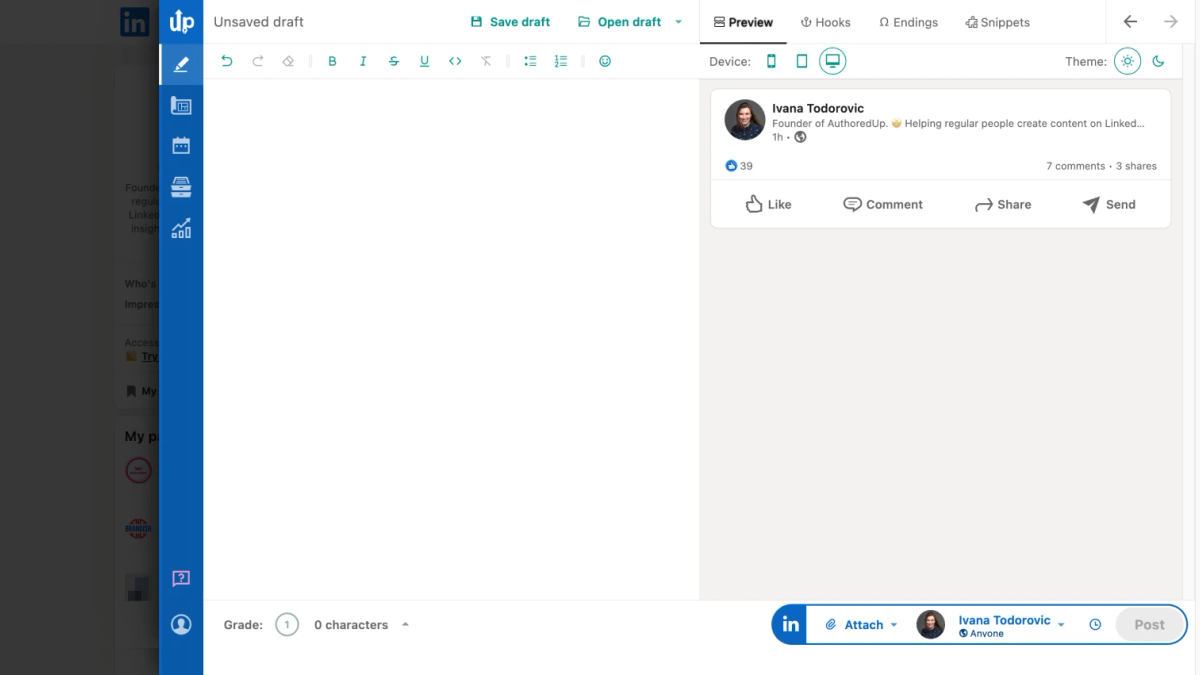
The short answer, checked on the wind-down notice in September 2026: export your data this week, request your LinkedIn archive, and move to a tool that can import it. AuthoredUp is the one we would pick for most people. The reasons are below.
What Shield did
Shield launched in 2018 and did one thing well. It read your LinkedIn activity and turned it into analytics LinkedIn's own screens never showed. Post and profile performance, audience demographics, period-over-period comparisons, saved collections of posts, search and filters, and role management for teams, all in a single dashboard that covered both personal profiles and company pages. Its marketing claimed 10,000+ creators and brands across 50+ countries, with a 14-day trial and no card required.
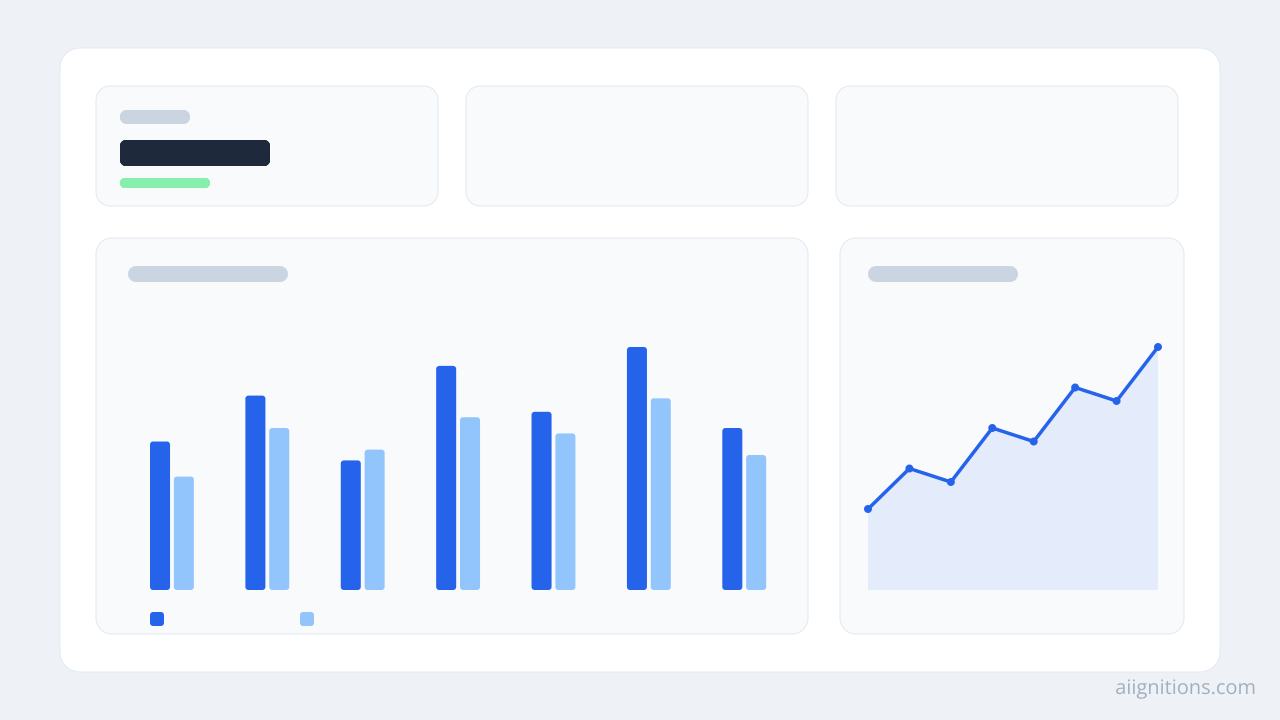
Two things set it apart. The first was history. LinkedIn's native analytics show the last handful of posts and little depth, while Shield kept and charted years of it. The second was Shield Agent, an AI layer that, per Shield's product pages and G2's listing checked in September 2026, could read a user's full post history, answer plain questions like what content works and when to post, and generate reports from it.
What Shield never did was publish. It did not write, schedule, or store drafts, so most people ran it beside a separate content tool. That split matters now, because the analytics half is the half going away.
Why it's closing
The founders were blunt. "Shield is winding down," their notice reads. "Both Google and LinkedIn made it clear that we could not continue operating Shield as it was built." They say they chose not to contest the platforms' decisions rather than fight them.
Read plainly, the data pipes Shield depended on were cut off at the source. A tool that reconstructs your LinkedIn history only works while it can reach that history, and both LinkedIn and Google closed the access it used. It is the same pressure that has squeezed other LinkedIn tools this year, and it is the reason the safe move for any reader is to stop treating a third-party dashboard as permanent storage.
What to do now
If you pay for Shield, the migration is the review. Do it in order:
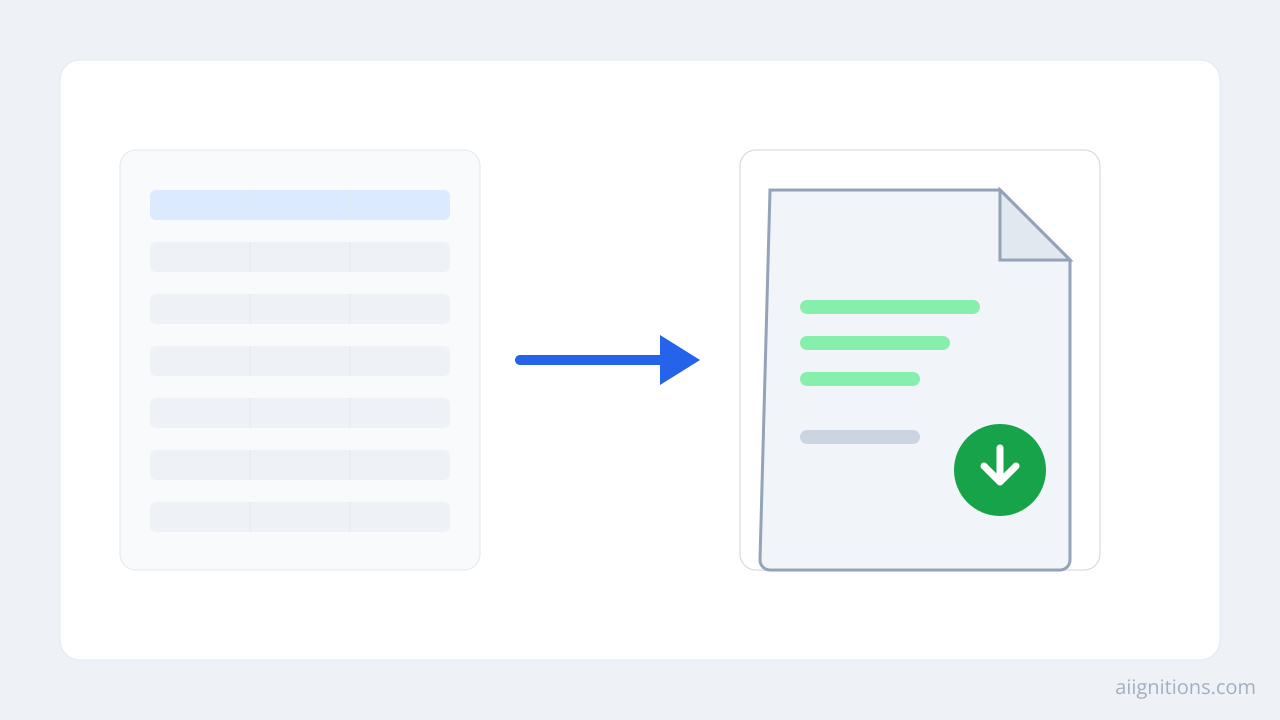
- Export everything as CSV. Log in while you still can and download post performance, follower growth, content analysis and benchmarks. Once the account closes, that history goes with it.
- Request your LinkedIn data archive. LinkedIn emails you a downloadable archive of your own activity. It is the raw material a replacement tool can import to rebuild part of your history.
- Pick a replacement and import both. The sooner you do this, the smaller the gap you leave in your charts.
One caveat on timing. A widely repeated figure says access ends roughly 30 days after the notice, but that number comes from AuthoredUp, which is itself selling a replacement, and it does not appear on Shield's own notice, which lists no shutdown date at all (checked September 2026). Treat the window as short and unconfirmed rather than exactly a month. Export now and you never have to find out.
Pricing, as last reported
Shield's pricing page is gone with the rest of the site, so every number here is "last listed," not verified live. The secondary sources that scraped the page at different times do not fully agree, which is worth stating plainly rather than papering over.
G2's listing put the entry price at $25/month for a single profile, with volume discounts starting at 10+ profiles and 20% off for annual billing. SaaSWorthy recorded a more granular set of tiers: Shield SOLO at $12/month, Shield PLUS at $19/month, and Shield BUSINESS at $24/month. Team setups paired with a separate content tool ran anywhere from $80 to $300+ per month, per linkedntools.com. None of this can be checked now, so if you are reconciling a final invoice, go by what you were actually billed, not by these figures.
Alternatives
For most former Shield users, AuthoredUp is the closest landing spot. It is $19.95/month with a 14-day trial (checked September 2026), and it is the one alternative that can import your LinkedIn data archive to partially rebuild your post history. The trade-off is deliberate. AuthoredUp reads only publicly visible data instead of using your login cookies, which is safer for your account but gives you less real-time monitoring than Shield's deeper access did.
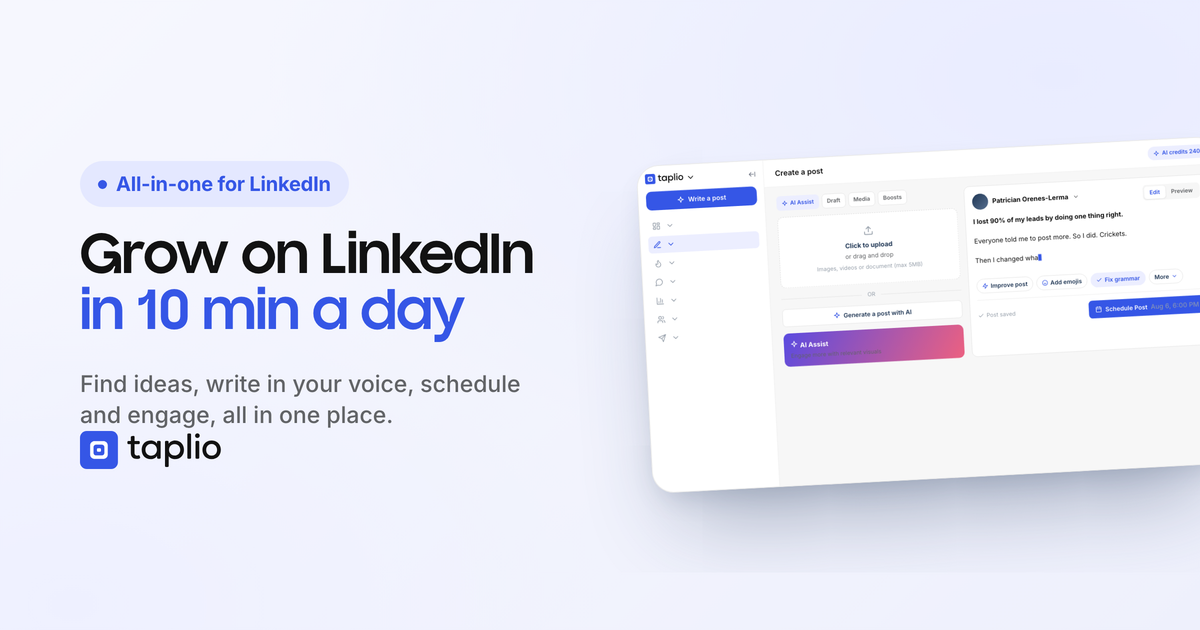
If AuthoredUp does not fit, the field is not empty. Taplio starts around $32/month (per PublishFlow, September 2026) and leans on AI content generation. Supergrow and Hypefury both start near $19/month. Inlytics has a free tier and paid plans from $14.99/month. LinkedIn's own analytics cost nothing, but they show a fraction of the history and none of the cross-post comparison that made Shield worth paying for. If free is the plan, know what you are giving up.
Verdict
There is nothing left to buy here, and that settles the usual question. Do not sign up for Shield. You cannot, and you should not go hunting for a back door if one appears, because the data access underneath it is exactly what LinkedIn and Google shut off. It was a genuinely good tool, and its closing says more about platform control than about the product.
If you were a subscriber, the action is simple and the clock is real. Export your Shield CSVs and request your LinkedIn archive this week, then move to AuthoredUp if you want the smoothest import, or to Inlytics if you want to spend less. Whatever you choose, do the export first. A dashboard that runs on someone else's platform access can vanish on someone else's schedule, and this time it did.
Ready to try AuthoredUp?
Visit the official website to see the latest plans, pricing, and special offers.
Get Started — AuthoredUp* Affiliate link — we may earn a commission at no extra cost to you.