TSMC Posts a Record Quarter and Pours Another $100B Into Arizona
TSMC reported record Q2 2026 profit (up 77% to ~NT$706.6B) on AI chip demand and raised its Arizona investment to $265 billion. What the numbers mean.
News Report

What Happened
Taiwan Semiconductor Manufacturing Company — TSMC, the foundry that fabricates the most advanced chips for Nvidia, Apple, AMD and nearly every other big name in silicon — reported its second-quarter 2026 results and, once again, broke its own records. Net income came in at roughly NT$706.6 billion, up about 77% year over year, on revenue of NT$1.27 trillion (about $40.2 billion), a 36% jump from a year earlier. It was TSMC's fifth consecutive record quarter.
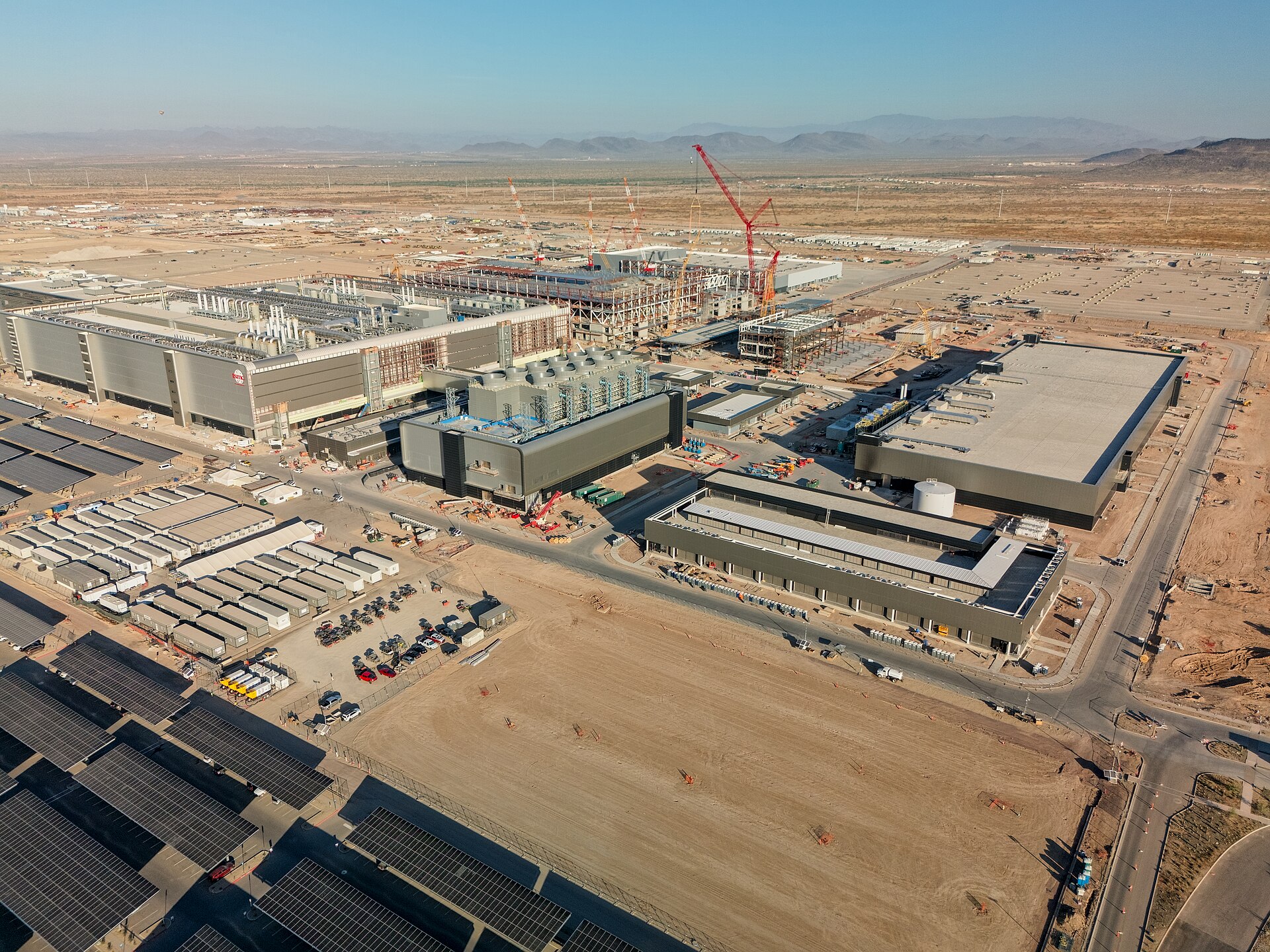
The company paired those numbers with an even bigger headline: an additional $100 billion earmarked for its manufacturing build-out in Arizona, lifting TSMC's total committed U.S. spending to about $265 billion. The message from Hsinchu was blunt — demand for AI chips is not slowing, and TSMC intends to build the capacity to meet it, increasingly on American soil.
A Record Quarter, Again
The scale of TSMC's growth is hard to overstate. A 36% year-over-year revenue increase would be remarkable for a startup; for a company already turning over tens of billions of dollars a quarter, it is extraordinary. Profit growing even faster than revenue — up around 77% — tells you the company is not just selling more chips, it is selling more expensive, higher-margin chips and commanding pricing power that few manufacturers of anything enjoy.
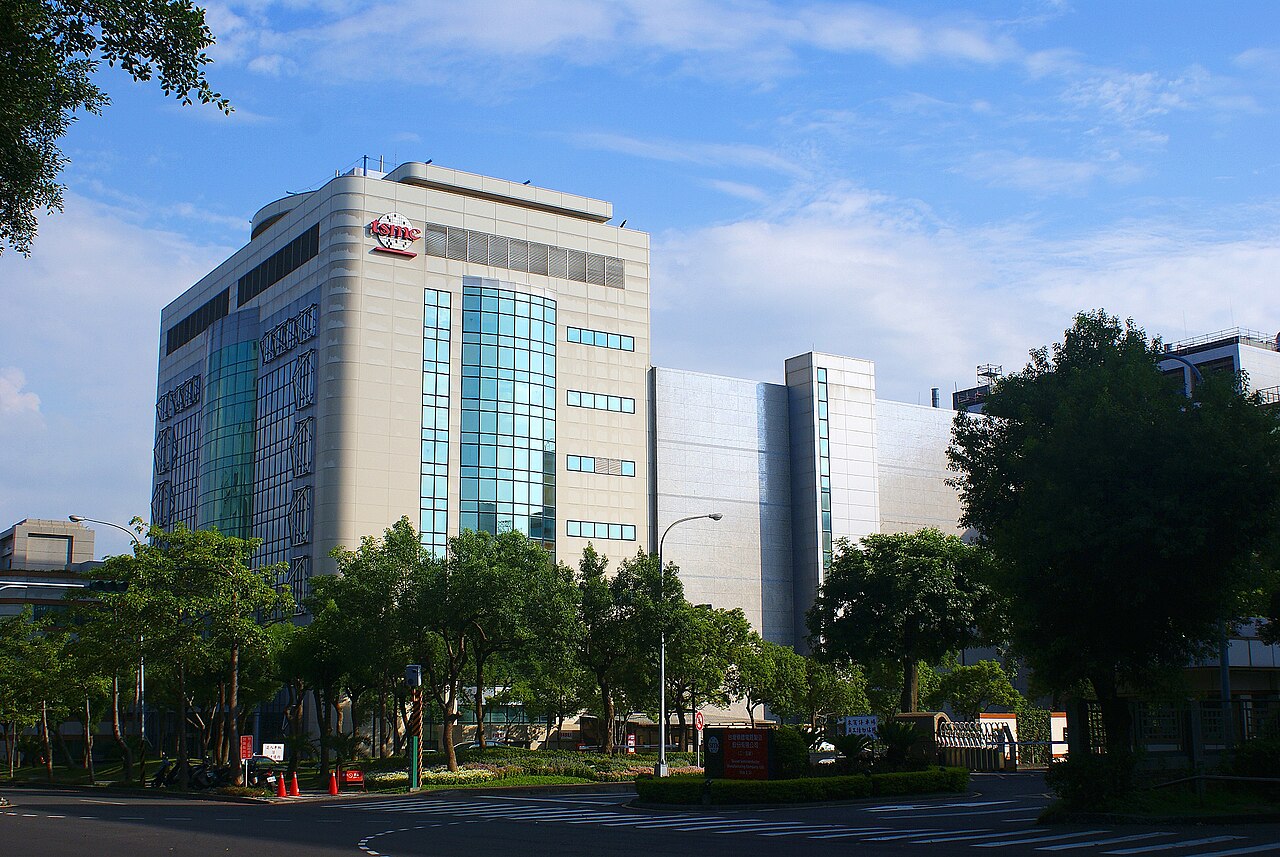
That pricing power comes from a simple fact: for the most advanced process nodes, TSMC is effectively the only game in town. If you want to build a leading-edge AI accelerator, a flagship smartphone processor or a high-end data-center CPU, TSMC's foundries are where it gets made. Intel and Samsung compete at various nodes, but at the bleeding edge TSMC's yields, capacity and customer roster stand alone — and the earnings reflect it.
AI Is Doing the Heavy Lifting
The single clearest signal in the report is where the money is coming from. High-performance computing (HPC) — the category that includes AI accelerators, data-center GPUs and server processors — accounted for 66% of second-quarter revenue. Two-thirds of TSMC's business is now tied to the compute build-out powering the AI boom, a share that would have been unthinkable just a few years ago when smartphones dominated the mix.
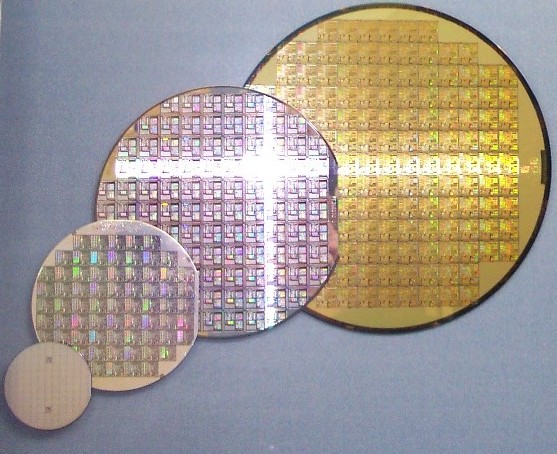
This is the quiet truth of the AI era: whatever model wins, whatever chatbot you use, whichever hyperscaler pulls ahead, the physical chips almost all flow through TSMC's fabs. When Nvidia sells a data-center GPU, when OpenAI's Broadcom-designed "Jalapeño" accelerator gets built, when Meta manufactures its "Iris" chip or Google fabricates a TPU, TSMC is the foundry turning those designs into silicon. The company sits at a chokepoint of the entire industry — and every incremental dollar of AI capital spending eventually lands, in part, on its order book.
$265 Billion for Arizona
Which brings us to the desert. CEO C.C. Wei used the earnings call to announce an additional $100 billion for TSMC's Arizona operations, taking its total U.S. commitment to about $265 billion. Wei signaled the money would fund "probably four more fabs", built to produce chips at the 2-nanometer node and below, alongside the advanced-packaging facilities that stitch those chips into finished AI processors.
The commitment matters because TSMC's first Arizona fab is reportedly now running with performance and yields comparable to its plants in Taiwan — a genuine milestone. Skeptics had long argued that leading-edge chipmaking could not be transplanted outside Taiwan's tightly integrated supplier ecosystem without a painful drop in quality. A U.S. fab hitting Taiwan-class yields undercuts that argument and gives TSMC the confidence to pour tens of billions more into expanding there.
For American policymakers, this is close to the best-case outcome of years of chip-onshoring effort: not just a symbolic plant, but a genuine cluster of leading-edge fabs and packaging lines committed for the long term. For TSMC, spreading capacity across geographies is a hedge — against tariffs, against customer pressure to build locally, and against the concentration risk of having nearly all of the world's most advanced chip production sit on a single island.
Leading Nodes and the Packaging Bottleneck
Underneath the headline figures, the technology mix shows how far ahead TSMC's most advanced processes have pulled. Chips built on 7-nanometer or smaller nodes made up about 77% of total wafer revenue in the quarter, with the 5nm node contributing roughly 33% and 3nm around 30%. The industry's money is concentrated at the leading edge, and TSMC owns that edge.
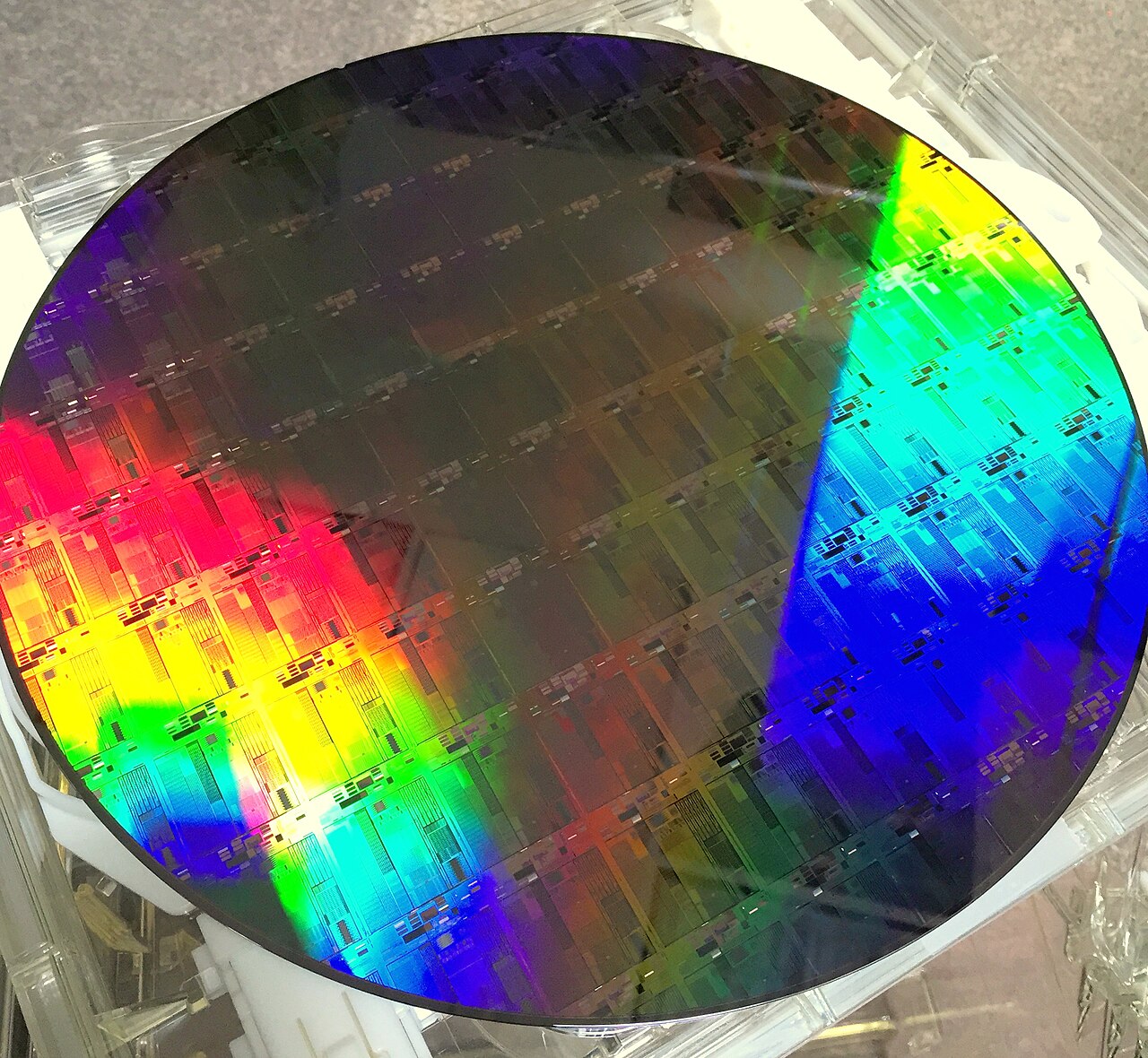
The Arizona expansion is aimed squarely at 2nm and below — the next frontier — plus advanced packaging, and that second word is doing more work than it might seem. Modern AI accelerators are not single chips but assemblies: multiple silicon dies plus stacks of high-bandwidth memory, bonded together on a package using technologies like CoWoS. Packaging capacity, not raw wafer output, has become one of the tightest bottlenecks in the entire AI supply chain — the reason some GPUs have been supply-constrained even when the chips themselves were fabricated. By committing Arizona fabs to both front-end manufacturing and back-end packaging, TSMC is attacking the whole pipeline, not just one link of it.
The Geopolitics of 'Made in America' Chips
No TSMC announcement is purely a business story. The company's Taiwan base sits at the center of one of the world's tensest geopolitical fault lines, and its overwhelming share of leading-edge production has made "who controls TSMC's fabs" a question of national security in Washington, Beijing and Taipei alike.
Expanding aggressively in Arizona lets TSMC serve U.S. customers who increasingly want — or are pressured — to source chips made domestically, while easing American anxieties about depending on Taiwan-made silicon for everything from fighter jets to data centers. It is also a careful balancing act: Taiwan's government has historically wanted its most advanced processes kept at home as a strategic asset. TSMC's plan to bring 2nm-class production to the U.S. shows how much the political calculus has shifted as AI has turned advanced chips into critical national infrastructure.
What Comes Next
TSMC's own outlook is bullish. The company has guided toward full-year revenue growth in the mid-40% range, an acceleration that assumes AI demand holds up through the rest of 2026. Everything the company is doing — the record capital spending, the four new Arizona fabs, the push into 2nm and advanced packaging — is a bet that the AI build-out is a multi-year structural shift rather than a short-lived spike.
The risks are the obvious ones. If AI capital spending cools — if hyperscalers decide they have over-provisioned compute, or if a cheaper approach to training and inference reduces the appetite for the most advanced chips — TSMC would feel it, because so much of its growth now rides on that single wave. Building fabs is a years-long, tens-of-billions commitment made against demand that is booked quarters, not decades, in advance. For now, though, order books and guidance both point the same way: up.
Why It Matters
TSMC is the closest thing the technology industry has to a single point of truth about the AI boom. Model announcements and funding rounds can run on hype; a foundry's revenue cannot. When two-thirds of TSMC's sales come from AI-related computing and the company responds by committing another $100 billion to new fabs, that is about as hard a data point as exists that the demand for AI compute is real, large and expected to keep growing.
It also underscores where the leverage in the AI economy actually sits. Nvidia designs the most sought-after chips, but TSMC makes them; the hyperscalers spend the headline hundreds of billions, but a meaningful slice of it flows to a single foundry in Taiwan — and, increasingly, Arizona. A record quarter plus a $265 billion U.S. commitment is TSMC's way of saying it intends to remain that indispensable chokepoint for years to come. TSMC's official figures and statements are published in its investor and press releases.
Read the original source
Head to the original source for the full announcement and complete details.
Read Original Source