ActiveCampaign Review: Agentic AI Marketing on a Bill That Keeps Climbing
An in-depth ActiveCampaign review: 2026 pricing by contact tier, the Wavelength agentic AI layer, CRM-in-automation depth, add-on costs, the no-self-service downgrade, and who should choose Mailchimp instead.
Expert Review

The pitch: AI that acts before you ask
ActiveCampaign wants to be the marketing tool that makes the next move for you. On 27 August 2026 it launched Active Intelligence 3.0: Wavelength, which it calls a "proactive, account-aware intelligence" layer. Instead of waiting for a prompt, it reads your automations, past campaign performance, audience behaviour and brand, then surfaces what it thinks you should do next across twelve capabilities. The company is careful to add a leash: "You're always in control. You review, edit, approve, and send. Wavelength surfaces the ideas and does the groundwork."
This is not a bolt-on chatbot. ActiveCampaign has spent 2026 building toward it. It acquired the AI evaluation platform Feedback Intelligence in February, shipped a Google Ads connector for its AI in July, and released a Claude & ChatGPT connector for its Deals CRM (help article updated 13 June 2026). The direction is clear, and it is the main reason to look at ActiveCampaign over a cheaper sender. The question this review answers is whether that story, and the CRM depth underneath it, is worth a bill that keeps climbing.
Where it actually earns its keep: CRM inside automation
Strip away the AI and the durable reason to pick ActiveCampaign is that its CRM and its automation are the same system, not two products stitched together. "Deal stage changes", "Deal value changes" and "Enters a pipeline" are automation triggers, not just fields you can read later. An email sequence can branch on live sales-pipeline state without a Zapier hop in the middle.
That overlap is deeper than what Mailchimp gives you natively, where the CRM and the automation stay more separate. If you run a small sales team and want a follow-up to fire the moment a deal slips a stage, this is the feature you are paying for. If you only ever broadcast a newsletter, you will never touch it, and you are the reader who should stop here and buy something lighter.
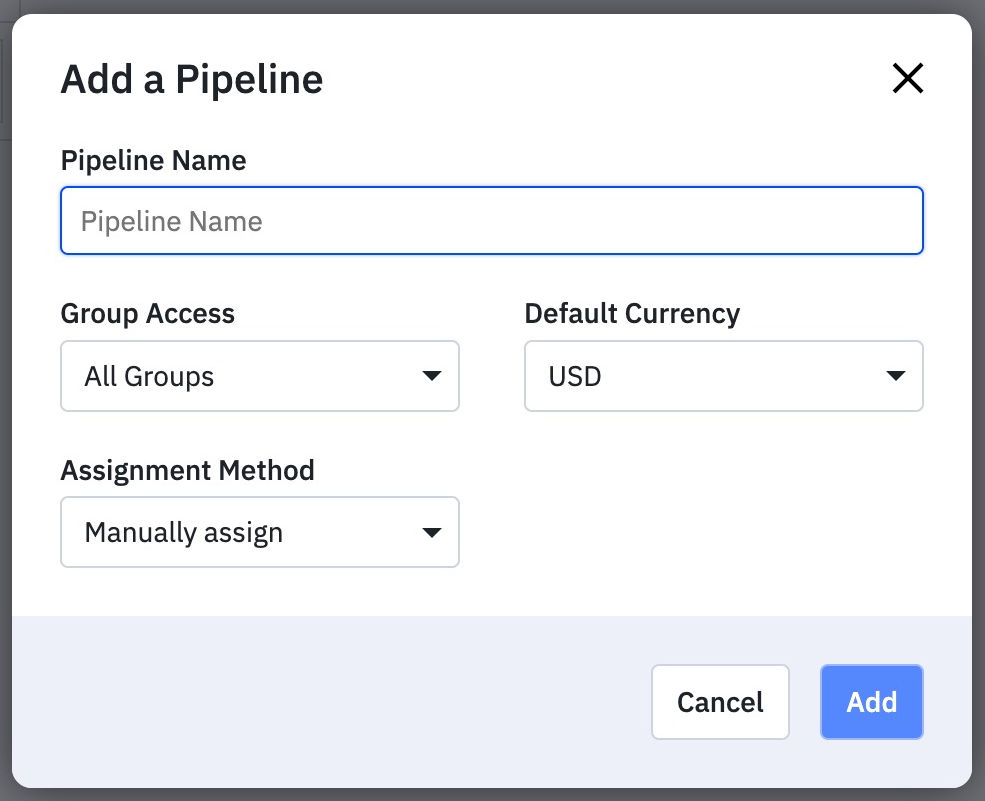
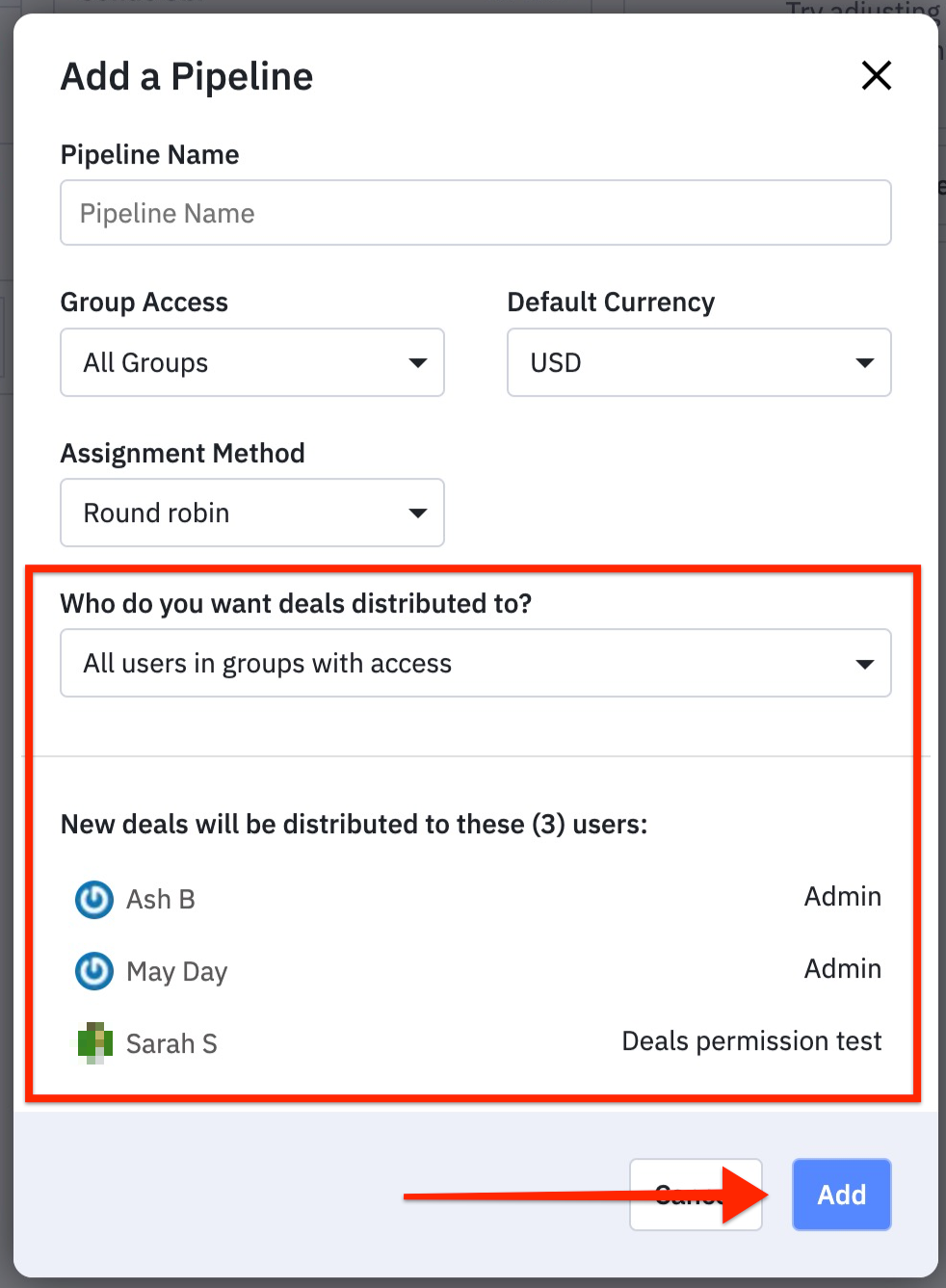
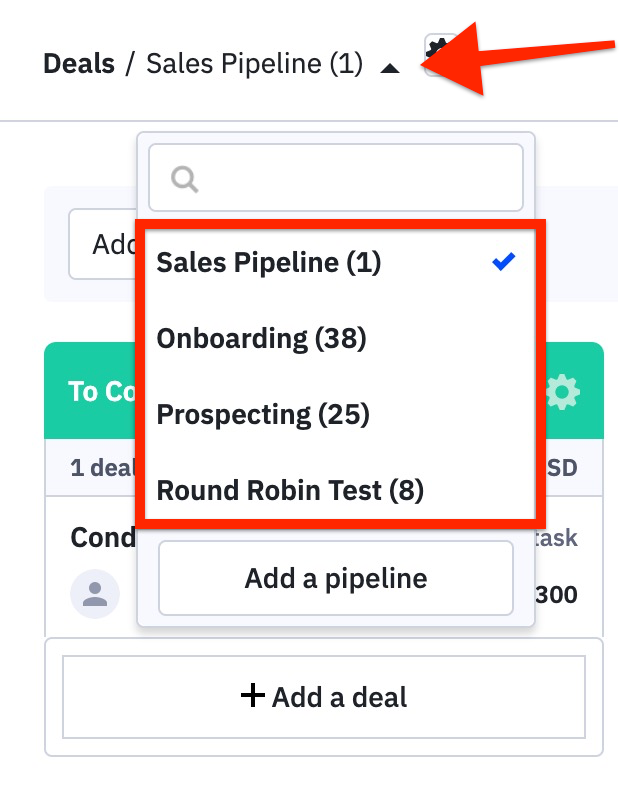
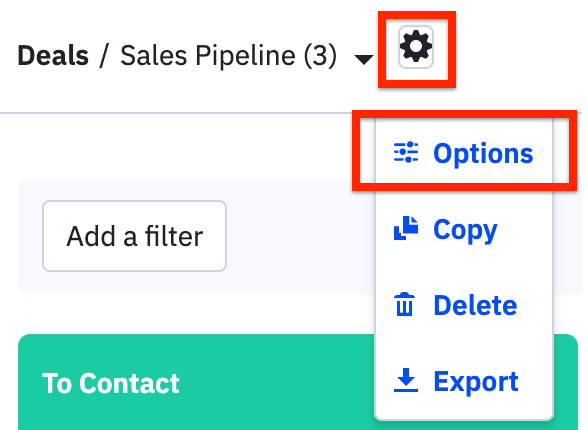
The pipeline tooling is genuine CRM, not a contact list with a label. You build named pipelines, set deal stages, and assign incoming deals round-robin across your team. It is more than a newsletter tool needs and roughly what a small B2B sales operation actually uses day to day.
Pricing, and why the bill grows with your list
ActiveCampaign sells four tiers: Starter, Plus, Professional and Enterprise. Its own pricing page renders every dollar figure in the browser with JavaScript, so the numbers below are from the third-party tracker emailvendorselection.com, checked on 23 September 2026, not scraped from ActiveCampaign directly. Treat them as a guide and confirm the live figure before you buy.
| Monthly, billed monthly | 1,000 contacts | 5,000 contacts | 10,000 contacts |
|---|---|---|---|
| Starter | $19 | $99 | $189 |
| Plus | $59 | $179 | $239 |
| Professional | $99 | $259 | $469 |
| Enterprise | $179 | $469 | $739 |
Annual billing knocks about 20% off those figures, and each extra user seat is $12 per month on every plan. Read the table across a row rather than down a column and you see the real cost model. Professional roughly doubles from 1,000 to 5,000 contacts, then nearly doubles again by 10,000. The sticker price is the list you have today; the bill is the list you grow into.
That climb is not imagined. A price-history writeup at audienceful.com puts the rise at "roughly 40% since June 2024", when ActiveCampaign replaced its old Lite/Plus/Professional structure with the current one. Existing accounts were moved onto it on their first billing date after 5 August 2024. Increases were nominally capped at 30%, but that same source reports "many customers reported bills 30-40% higher".
The catches the pricing page skips
Three things cost more than the tier table suggests. First, what counts as a contact changed. Accounts created before 3 November 2025 are grandfathered to pay only for active contacts; accounts created on or after that date are billed for every contact, including unsubscribed, bounced and unconfirmed ones. A list that looks like 8,000 people can bill like 10,000.
Second, several features you might assume are included are paid add-ons. SMS is an add-on and is not available on Starter at all. Transactional email through Postmark is an add-on on every tier. Custom reporting is an add-on on Plus and Professional and only bundled on Enterprise. WhatsApp is not an add-on but an entirely separate plan tier (Core, Advanced, Premium) layered on top of your email plan.
Third, and this is the complaint that recurs loudest: you cannot leave a tier by yourself. ActiveCampaign's own help centre states that "if you need to downgrade your plan... you must contact our Customer Experience team." Upgrading is one click; walking it back is a support conversation. A Capterra reviewer put the trap plainly: the product is "very expensive and when you upgrade to something you basically will never be allowed to downgrade, or you will pay MORE... if your list of contacts grows, this lot will become A LOT."
Getting your data out is doable but not clean. A contact export produces a CSV of email, name, phone, account and custom fields, but "Contact notes cannot be exported", and the download link is valid for only seven days. Plan the migration for an afternoon, not a click.
Support and the learning curve
Support is chat and ticket based, with no phone option mentioned in the official support article. Live chat runs Monday to Friday, 3am to 11pm US Central, plus a Sunday evening window; outside those hours a ticket is created automatically. Professional adds priority email and chat and advanced onboarding, and Enterprise assigns a dedicated team. If real-time help matters to you, note that the higher you climb the tiers, the more human attention you buy.
Budget for a ramp. Review synthesis across G2 and Capterra flags the learning curve repeatedly, and a realistic expectation is two to four weeks before a team is fluent. ActiveCampaign is not the tool you deploy the afternoon you sign up. The free trial is 14 days, based on the Professional plan, and lets you test the Sales Engagement add-on and the Salesforce integration. Cancelling a trial just means letting it lapse: "We will not charge you unless you manually upgrade to a paid account."
Verdict: who it is for, and who should walk
Buy ActiveCampaign if you run sales and marketing off one list and want automations that branch on live deal state, and if you are genuinely going to use the 2026 AI layer to draft and plan rather than admire it in a demo. For a small B2B team that lives in its pipeline, the CRM-in-automation depth is the real product, and Wavelength makes it more useful. Go in with eyes open on the cost curve and the no-self-service downgrade, and start on annual billing only once the trial has proven the fit.
Skip it if you mostly broadcast a newsletter or a creator digest. You will pay for a CRM engine you never start, and the bill will grow with your subscriber count regardless. For that job Mailchimp, MailerLite or beehiiv cost less and get out of your way, and our roundup of email marketing tools by price and fit sorts through them. ActiveCampaign is a strong tool that charges like one; make it earn the difference before you commit past the 14-day trial.
Start a free ActiveCampaign trial
Pricing figures are third-party (emailvendorselection.com), checked on 23 September 2026; ActiveCampaign renders its own prices in-browser, and it changed contact-counting policy on 3 November 2025, so confirm the current number on activecampaign.com/pricing before buying.
Ready to try ActiveCampaign?
Visit the official website to see the latest plans, pricing, and special offers.
Get Started - ActiveCampaign* Affiliate link - we may earn a commission at no extra cost to you.