DRAM contract prices are set to rise another 13–18% in Q3 2026 as AI demand drains supply, but TrendForce says consumers have reached their affordability limit.
Memory is still getting more expensive, and it is doing so for the fifth quarter running. In a market update dated July 3, 2026, the research firm TrendForce projected that conventional DRAM contract prices will climb another 13–18% quarter over quarter in Q3 2026, with NAND Flash contract prices up a further 10–15%. Both numbers are increases. Both are also smaller than what the industry saw earlier in the year, and that deceleration is the actual story.
The brakes are not coming from new supply. TrendForce was blunt about the cause: "Record-high contract prices mean customers from consumer markets, such as PCs and smartphones, are reaching their affordability limit." Put plainly, DRAM and NAND are not getting cheaper because factories caught up. They are rising more slowly because the people who buy PCs, phones and TVs have run out of room to absorb the cost.
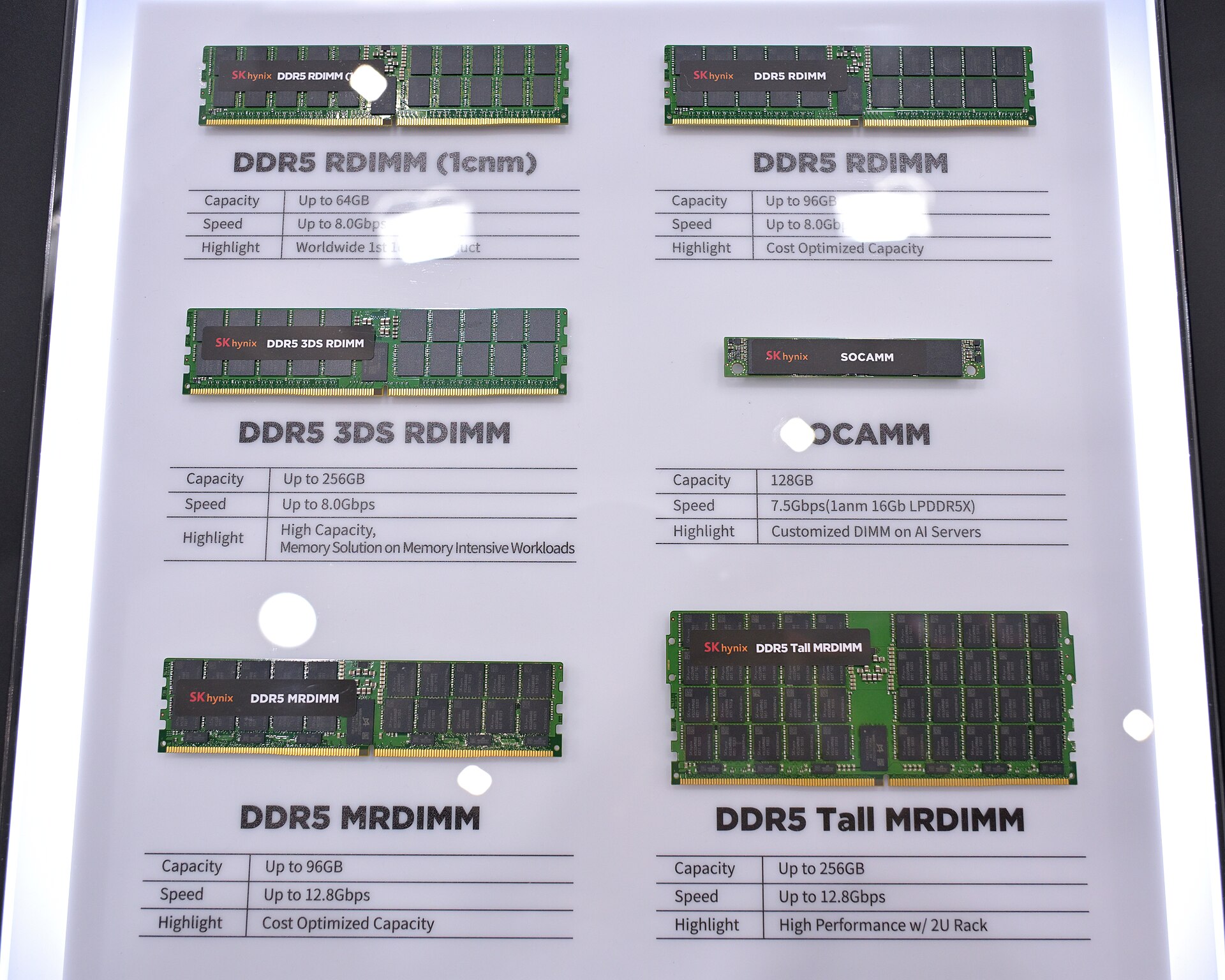
That split runs through every product line. Server DRAM and the RDIMM modules that feed AI training clusters stay undersupplied and firm. Graphics DRAM, consumer-electronics DRAM for TVs and set-top boxes, and client SSDs are where TrendForce sees pricing power fading first, as buyers push back.
To understand why an extra 15% still hurts, you have to start from the base. Counterpoint Research pegged the DRAM price jump at roughly 80–90% in the first quarter of 2026 alone. Stack a year of double-digit quarterly rises on top of that, and the compounding gets ugly fast.
Retail is where it shows. A mainstream 32GB DDR5 kit that sold for around $95 in mid-2025 has been tracked by retail price watchers toward the $550–600 range at its 2026 peak, roughly a fivefold increase in about a year. SSDs followed the same curve. This is not a rounding error on a build sheet; it is often the single most expensive component in a new mid-range PC.
The cause is one word: allocation. Samsung, SK hynix and Micron have steadily redirected wafer capacity toward high-bandwidth memory (HBM), the stacked DRAM that sits next to AI accelerators. Micron's own numbers show the shift: HBM and cloud memory grew from about 17% of its DRAM revenue in 2023 to nearly 50% by 2025, according to figures cited by IEEE Spectrum in February 2026. Every wafer that becomes HBM for a data center is a wafer that does not become a DDR5 stick for your desktop.
Consumers do, in stages. PC builders felt it first, then prebuilt-system prices climbed, and now the pain has reached devices that used to be immune to component swings. Console makers moved early: reporting this summer put Sony's PlayStation 5 at a $649 list price, and Microsoft raised the Xbox Series X to $799.99 on August 1, 2026. Both cited memory and component costs.
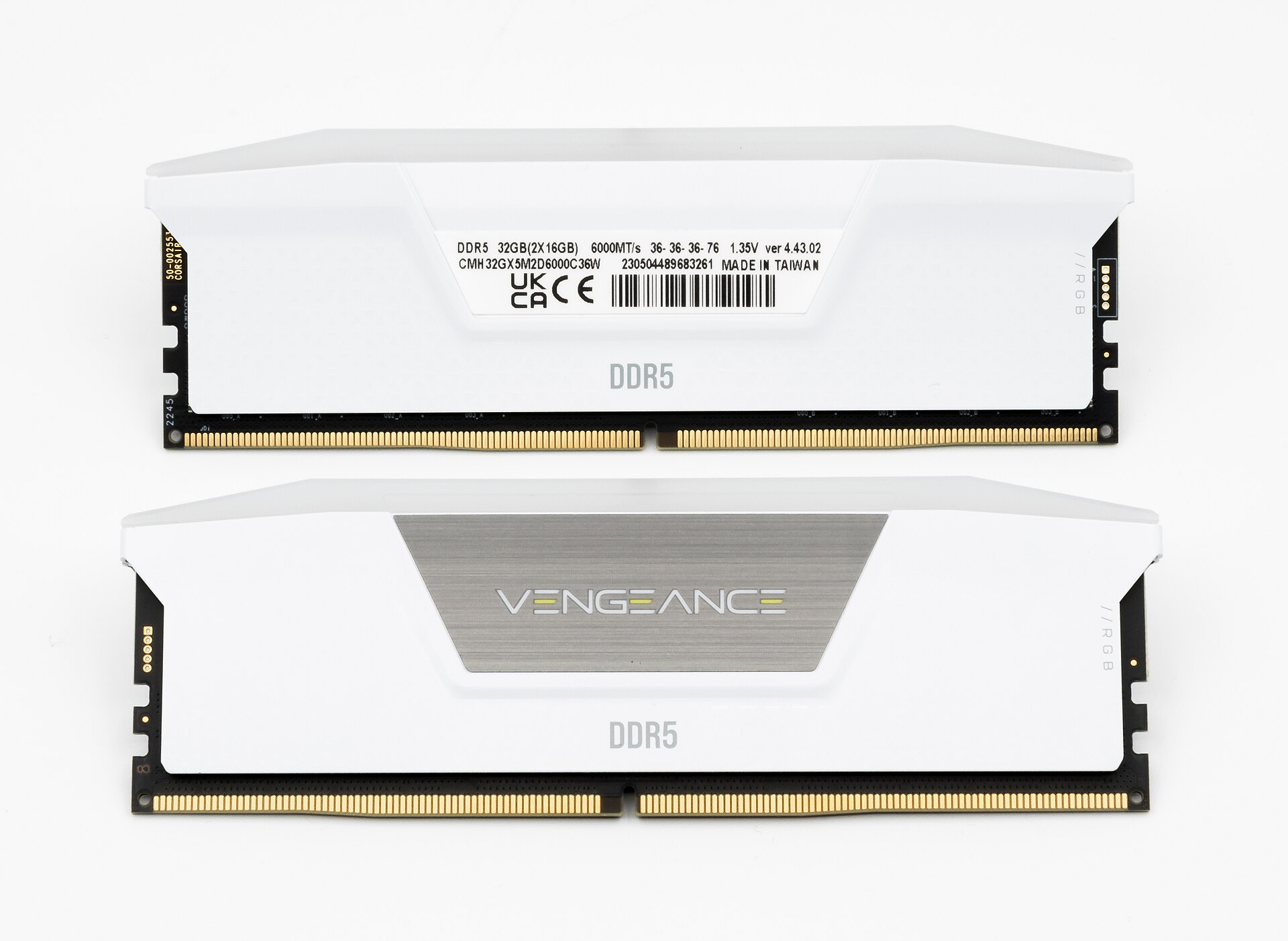
Module makers, who buy chips and sell finished sticks, are bracing for more than the contract averages suggest. In a report relayed by TrendForce on July 8, 2026, the Taiwanese maker ADATA reportedly saw Q3 DRAM prices climbing 20–30% and NAND rising 35–40% at its level. Contract prices are the wholesale floor; the retail shelf usually runs hotter. If you are buying RAM as an individual, ADATA's numbers are closer to what you will feel than TrendForce's headline 13–18%.
There is one small mercy in the data. Because consumer demand has genuinely weakened, supply of some lower-end parts, eMMC and UFS storage among them, is loosening, and suppliers there have lost some pricing leverage. It is cold comfort when the DIMM you actually want has doubled, but it is the first crack in the wall.
This is not a supply hiccup that clears when a boat docks. It is a deliberate reallocation of the world's memory output toward the highest-margin buyer in tech history. AI infrastructure spending pays more per bit than a gaming PC ever will, so the fabs follow the money. The HBM market alone is projected to grow from roughly $35 billion in 2025 to about $100 billion by 2028, per figures cited by IEEE Spectrum.
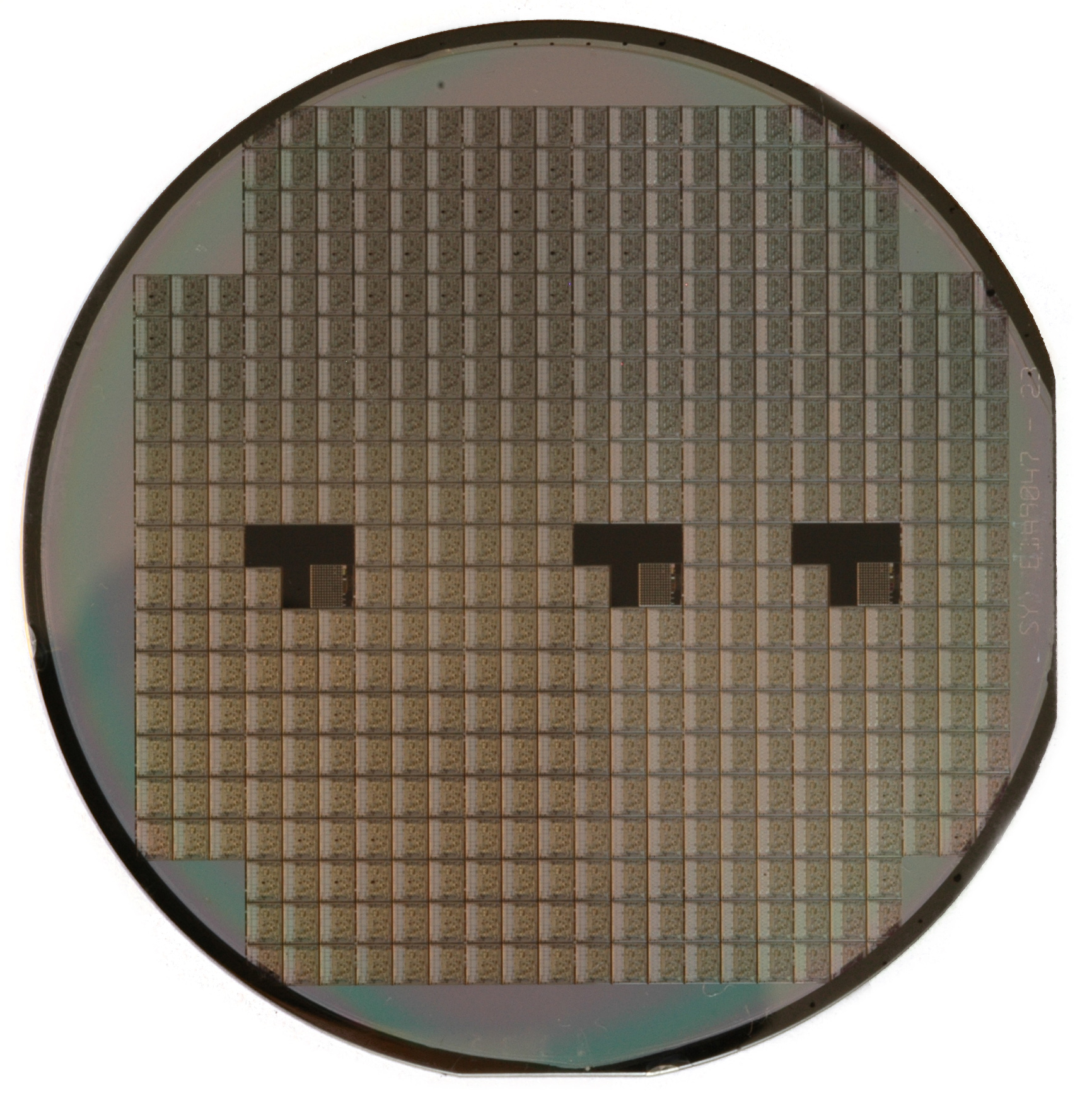
The executives running these companies have stopped pretending it is temporary. Micron CEO Sanjay Mehrotra has said demand will outstrip supply "substantially… for the foreseeable future." Intel CEO Lip-Bu Tan was even more direct about the timeline, warning there is "no relief until 2028." When the people setting the prices say the shortage outlasts the current product cycle, budgeting for a cheap RAM upgrade next quarter is wishful thinking.
Relief depends on new fabrication capacity, and new fabs are measured in years, not quarters. Micron's Singapore HBM plant is expected to reach production in 2027, Samsung's Pyeongtaek expansion around 2028, and SK hynix's Indiana site not before the end of 2028. Until that capacity is online and the AI demand curve flattens, general-purpose DRAM stays the leftover product on lines optimized for something else.
What that means in practice, as of August 2026: if you need memory for a build, a server, or a phone upgrade, the price you see today is not a spike to wait out. The slowdown TrendForce flagged is real, but it is deceleration, not decline. The most likely path is prices that keep grinding upward through the back half of 2026 at a gentler slope, with any genuine easing pushed into 2027 at the earliest, and only if the AI buildout finally cools. Anyone planning a purchase should assume the shortage, not a recovery, and buy the capacity they need now rather than betting on a dip that the chipmakers themselves say is years away.
Head to the original source for the full announcement and complete details.
Read Original Source