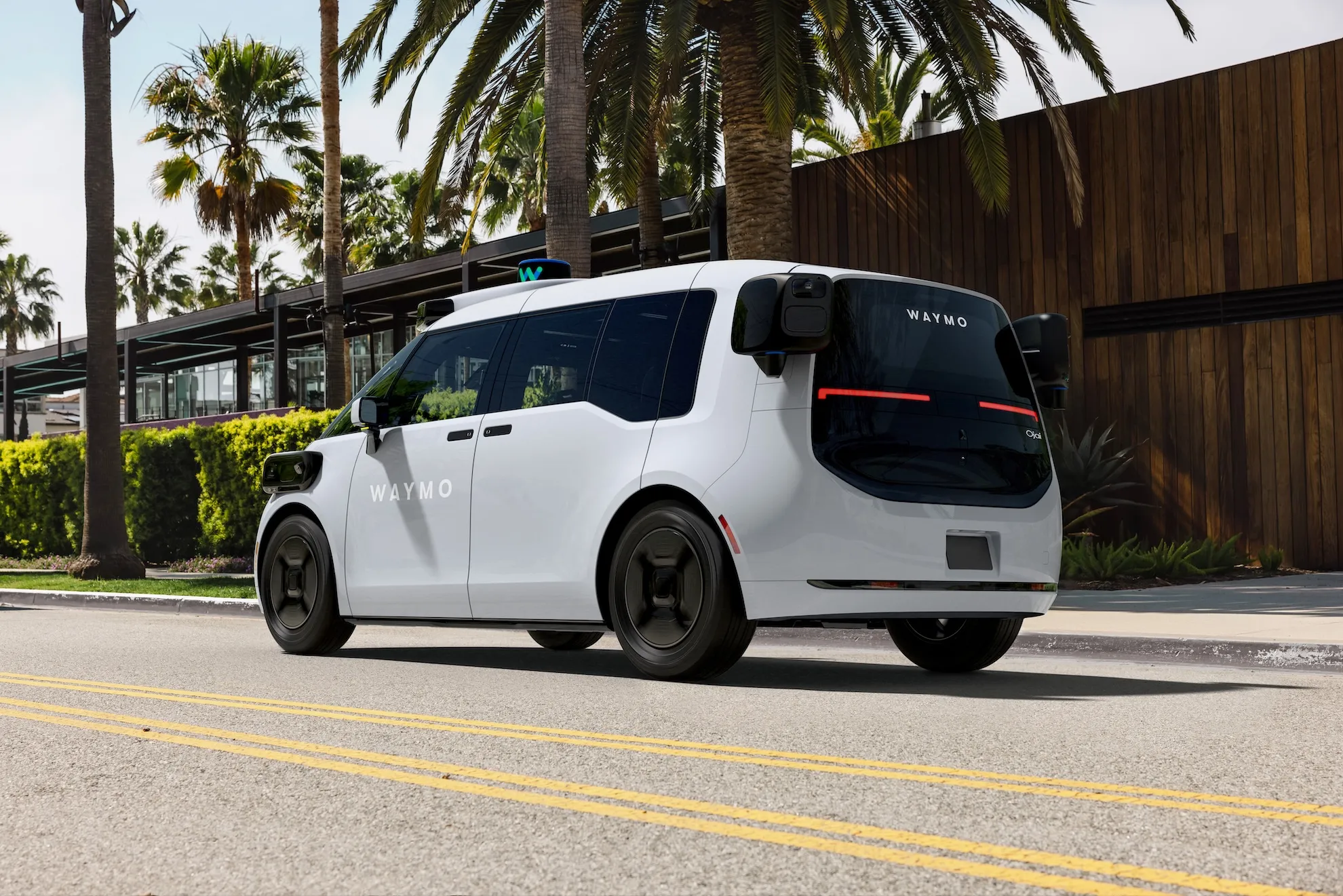
Waymo began charging public riders for driverless trips in Las Vegas on September 14, 2026, covering nearly 24 square miles of the Strip with its Ojai minivan. What the launch changes, where it runs, and who else is competing in Nevada.
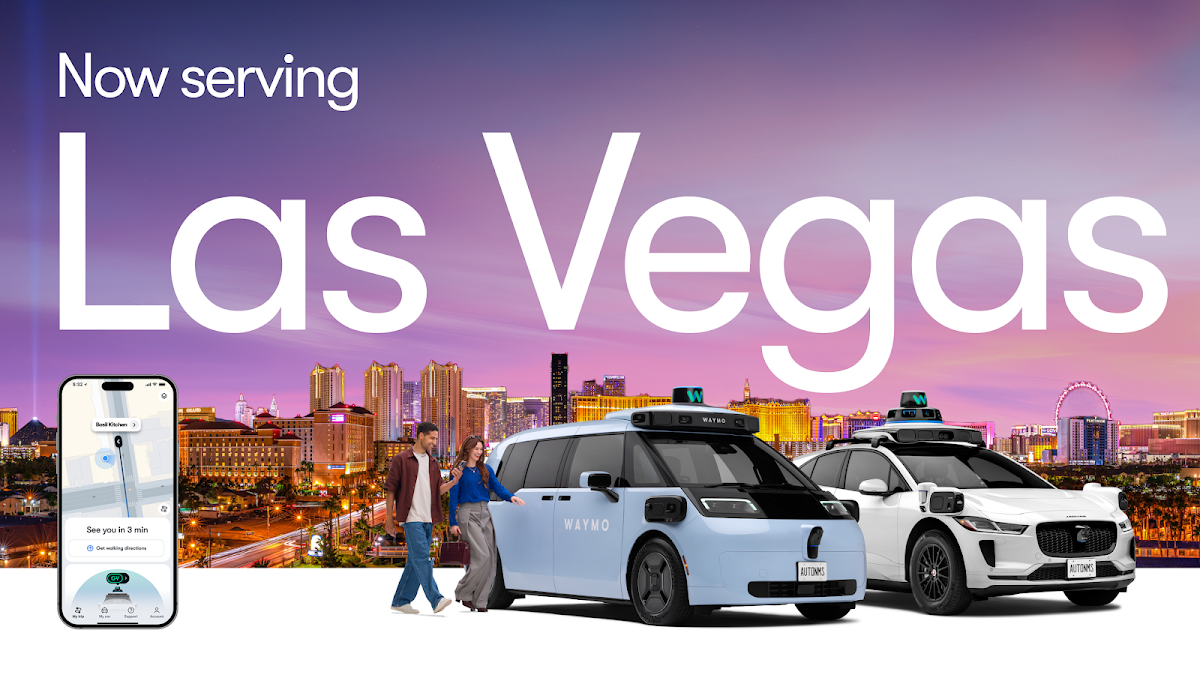
Waymo began charging public riders for driverless trips in Las Vegas on September 14, 2026, opening its 15th commercial market and its first in Nevada. The cars run the length of the Strip in Waymo's new Ojai minivan, and more than 100,000 people had added their names to the local interest list before the first fare was ever collected.
Access is arriving in stages. Waymo is handing out invite codes on a rolling basis rather than opening the app to everyone at once, the same pattern it used in earlier cities, where full public access has tended to follow within a month or two of the initial launch.
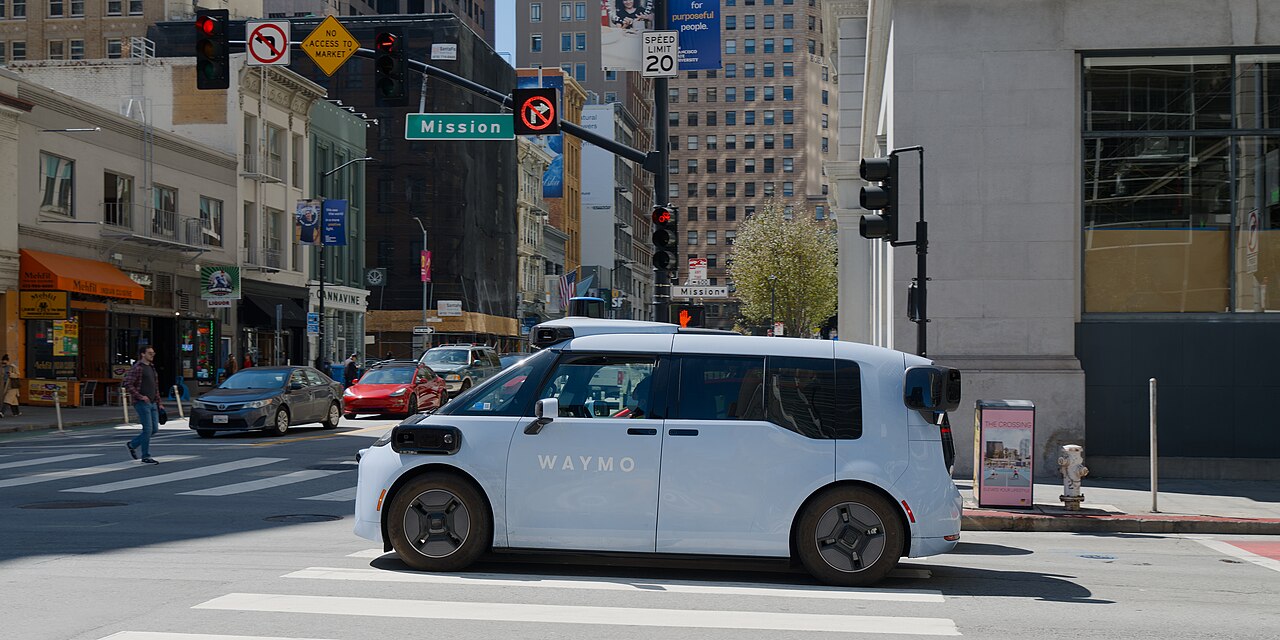
For a visitor, the change is concrete. A city that draws more than 40 million people a year now has a driverless car option running its busiest corridor, aimed squarely at tourists who do not know the roads and would otherwise wait for a taxi or a rideshare. Nobody has to explain a route to a driver who has never left the airport loop.
Waymo frames the pitch on safety. The company reports 94% fewer serious-injury-or-worse crashes than human drivers across the rides it has logged to date, a figure it has leaned on in every new market. Las Vegas, with its pedestrians, jaywalkers and 3 a.m. traffic, is a harder test of that claim than most.
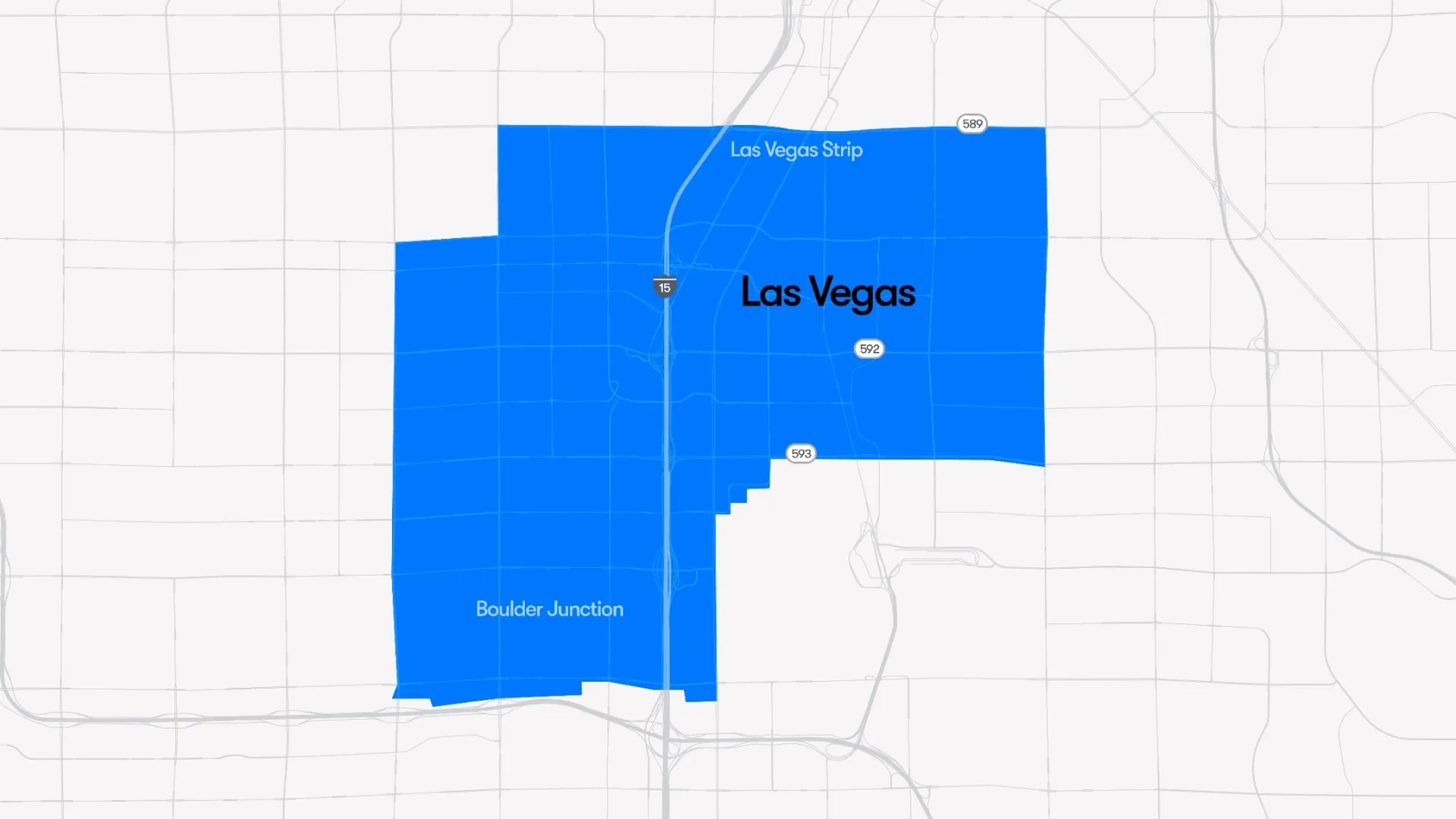
The launch zone covers nearly 24 square miles, bounded by Sahara Avenue to the north, Boulder Junction to the south, Winchester to the east and Spring Valley to the west. That footprint takes in the full Strip, resorts such as The Venetian, and Allegiant Stadium, home of the Las Vegas Raiders. It is a service area, not a radius, so the boundaries matter: step outside them and the car will not pick you up.
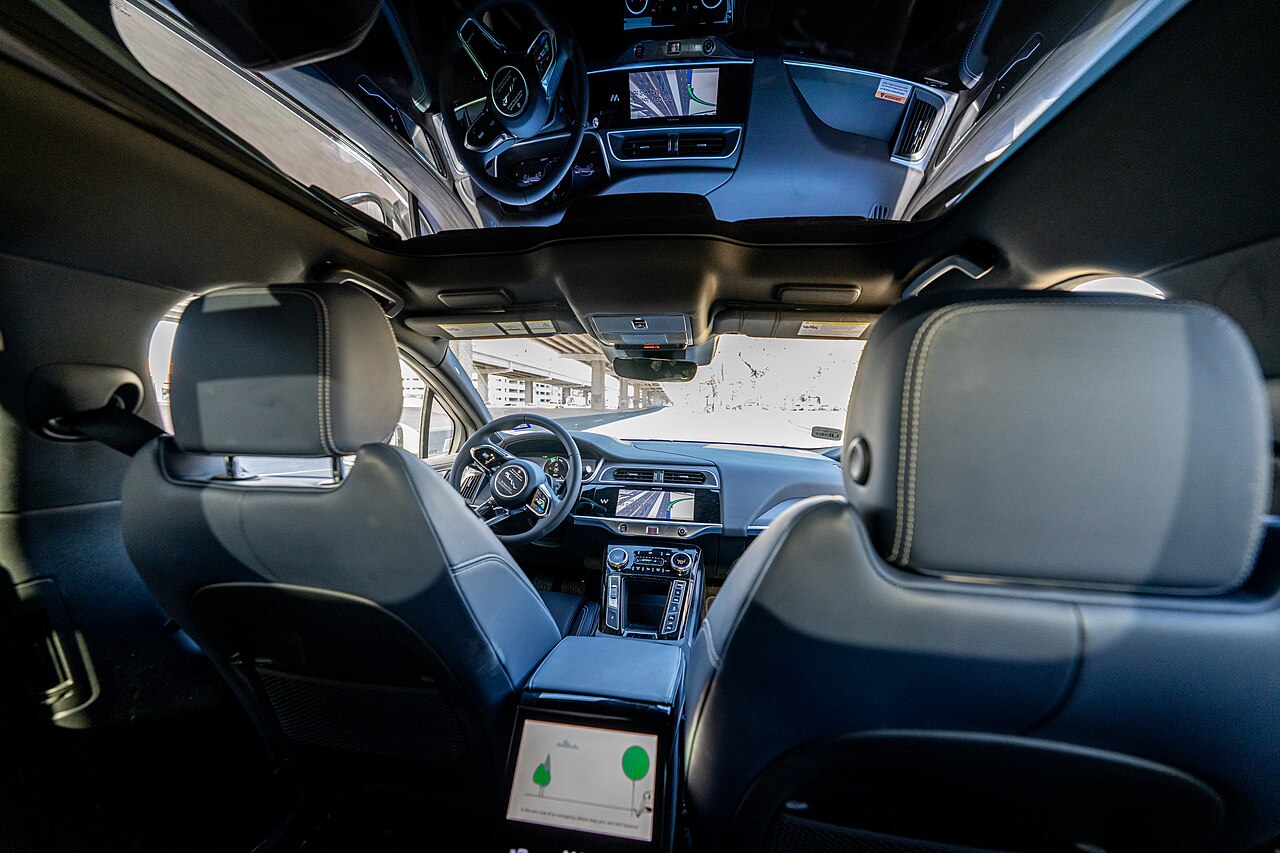
The car itself is the Ojai, Waymo's minivan built on its sixth-generation Driver hardware. It adds lower, elevator-style doors with a shorter step up, a roomier cabin, and large in-cabin screens for temperature and music. Las Vegas joins Denver and San Diego as one of the earliest markets where the Ojai already makes up most of the local fleet, rather than the Jaguar I-Pace that carried Waymo's earlier cities.
Waymo is not first to the Strip. Amazon's Zoox runs a commercial robotaxi service in Las Vegas today, so the two companies now compete for the same fares in the same square miles. That is unusual: most Waymo markets have no rival driverless operator at all.
As of September 15, 2026, Nevada's Transportation Authority has cleared Waymo for up to 1,000 autonomous vehicles. Tesla holds a permit for 5,000 and Uber with its partners for 1,000, so the paper capacity for driverless cars on Las Vegas roads already runs into the thousands even though the cars actually on the street number far fewer. The permits set a ceiling; they do not say when, or whether, each company fills it.
Watch the invite list. Waymo has not put a date on general availability, and the rolling invite codes mean most of the 100,000 sign-ups will be riding within weeks, not on day one. The tell will be when Waymo drops the waitlist entirely and lets anyone hail a car from the app, which is the point at which the service stops being a launch and starts being infrastructure.
The other thing to watch is the map. A 24-square-mile box that covers the Strip but not the airport or the residential valley is a tourist product first. Waymo expanded its Phoenix and San Francisco zones well past their opening boundaries over time, and how fast Las Vegas grows past the Strip will show whether this is a novelty for visitors or a real alternative to owning a car in the city.
Head to the original source for the full announcement and complete details.
Read Original Source