OptiMonk Review: AI Popups Priced by Every Pageview You Get
OptiMonk review: plans from $0 to $179/month sized by total site pageviews, the AI Editor and product page AI, targeting, and who should pick ConvertFlow instead.
Expert Review

The one thing to understand first: you pay for pageviews
Most popup tools bill you for what they do: impressions shown, subscribers collected, conversions tracked. OptiMonk bills you for your traffic. Its pricing page defines the unit plainly: "A pageview is counted when our site is loaded, whether or not a campaign is displayed. Pageviews ≠ impressions."
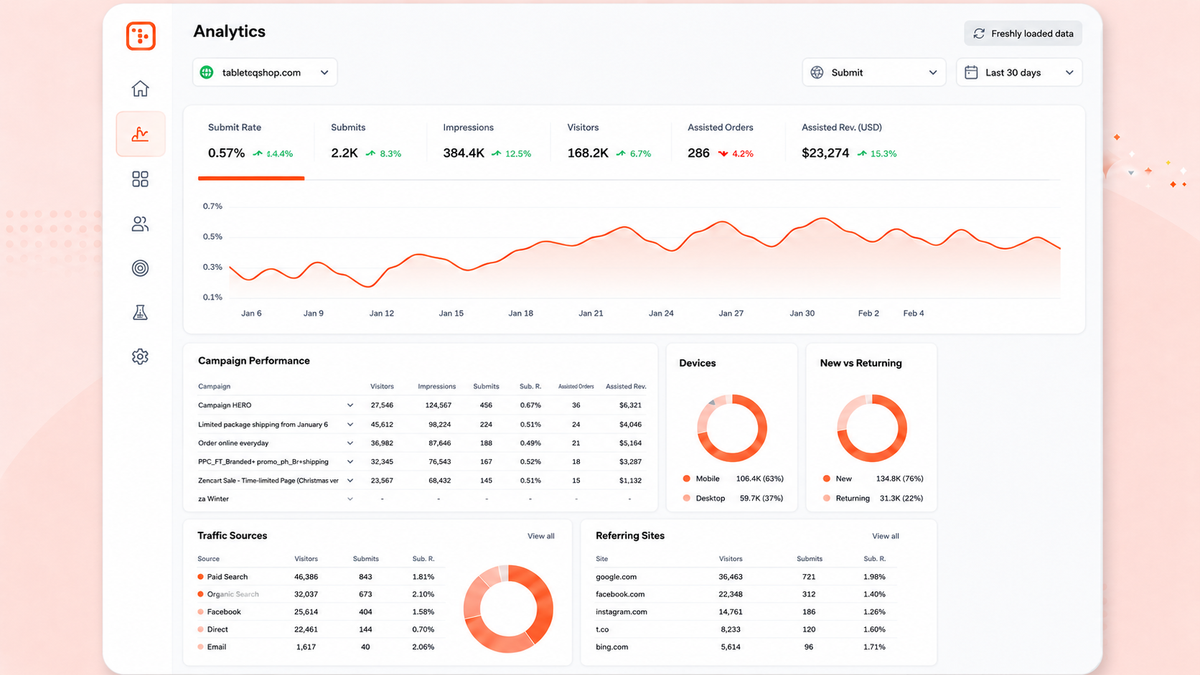
That sentence decides which plan you need. Run a single exit-intent popup on your checkout page and every blog post, category page and product page still counts against the cap. A store with 80,000 monthly pageviews and one small campaign lands on the same tier as a store running twenty campaigns on those 80,000 views. Count your total monthly pageviews in Google Analytics before you look at features.
What happens at the cap matters too. Reviewers on G2 and Capterra report that campaigns go inactive once the allowance is used up, and stay off until the next billing cycle or an upgrade. For a store heading into Black Friday, that is the month traffic spikes and the popups stop.
Plans and prices
Checked on optimonk.com/pricing in September 2026. Every tier is sized by pageviews and domains, and each paid card has a slider that raises the pageview allowance within its range.
| Plan | Monthly price (entry) | Pageviews / month | Domains |
|---|---|---|---|
| Free | $0 | 10,000 | 1 |
| Essential | $19 | 20,000 to 50,000 | 2 |
| Growth | $69 | 100,000 to 250,000 | 4 |
| Premium | $179 | 500,000 to 1,000,000 | 10 |
| Master | Custom | Custom | Unlimited |
Every paid plan lists "Unlimited campaigns", "All features", "Unbranded" and a "Key account manager". Annual billing appeared on the page at roughly $228, $828 and $2,148 a year for Essential, Growth and Premium, about 25% below paying monthly. Confirm those at checkout; we could only read them from the rendered page.
The jump worth noticing is Essential to Growth. At 50,001 pageviews you move from $19 to $69, more than triple, for the same feature list. The free tier's 10,000 pageviews is a test bench, not a plan: a store with a few hundred daily visitors clears it in a couple of weeks.
Reviewers also say some advanced targeting, UTM-based segmentation in particular, and certain integrations such as Klaviyo sit on higher tiers in practice, which does not square neatly with "All features" on every paid card. Ask sales which tier your integration needs before you commit.
The builder and targeting
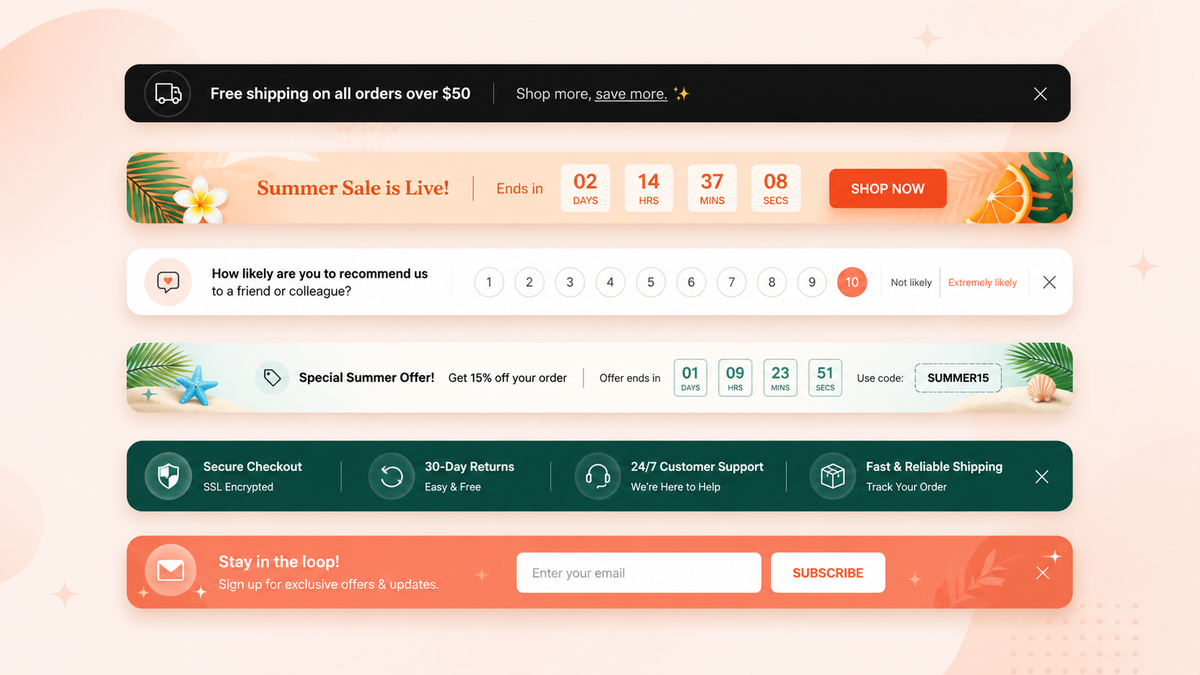
The editor is no-code: start from a template or a blank canvas, then pick a format. OptiMonk offers classic popups, sticky bars, sidemessages (the small slide-in box in a corner), fullscreen overlays and embedded content that sits inside the page rather than on top of it.
Triggers cover the usual set. Exit intent on desktop fires when the cursor heads for the tab bar, and there are scroll, time, click and inactivity triggers alongside it. Where OptiMonk goes further than a basic popup plugin is personalization: dynamic text that changes by visitor, product recommendations inside a campaign, and targeting built on survey answers, so a visitor who says they shop for sensitive skin sees a different offer from one who does not.
A/B testing is built in, both between variants of one campaign ("test copy, images & various opt-in formulas") and across campaigns. The features page claims 97 features and 17 integrations; the text we could verify names Klaviyo and Google Analytics, so check the integrations list for your email and store platform before you sign up.
Users do report a learning curve once you move past templates into custom layouts, and occasional slow loading. Neither is unusual for this class of tool, but budget an afternoon, not ten minutes.
What the AI layer actually adds
OptiMonk now sells itself as an "AI-powered popup builder", and the January 2026 update gave that label some substance. Four pieces are new or newly prominent.
AI Editor (beta). You type an instruction and it edits the campaign: "Change 10% off to 15% off" or "Make all CTA buttons red." That saves clicks on a campaign you already have. It is labelled beta, so treat it as a shortcut, not a designer.
AI image generation. It turns plain product photos into campaign visuals that adapt to the product, page or visitor, and can restyle them for a seasonal moment such as Black Friday or Valentine's Day. For a store without a designer on staff, this is the most practical of the four.
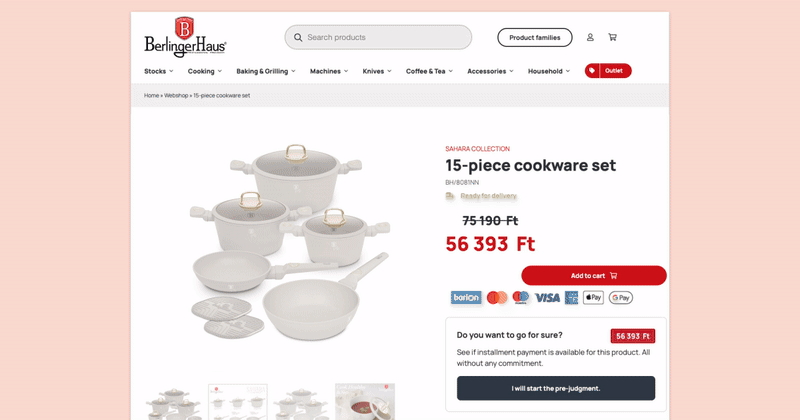
AI Product Page Optimization. This one leaves the popup behind. It generates headlines and benefit lists for product pages in bulk, tailored to each product, and is where OptiMonk's pitch shifts from "popup tool" to "on-site personalization". Anyone selling hundreds of SKUs with thin descriptions should try it; anyone with hand-written copy they are proud of can skip it.
Smart headline generator and embedded campaign preview. The first writes popup headline options. The second makes a live preview link showing an embedded campaign on your real site without switching it on for visitors, which is useful when a client or manager has to sign off.
Results, and how much to trust them
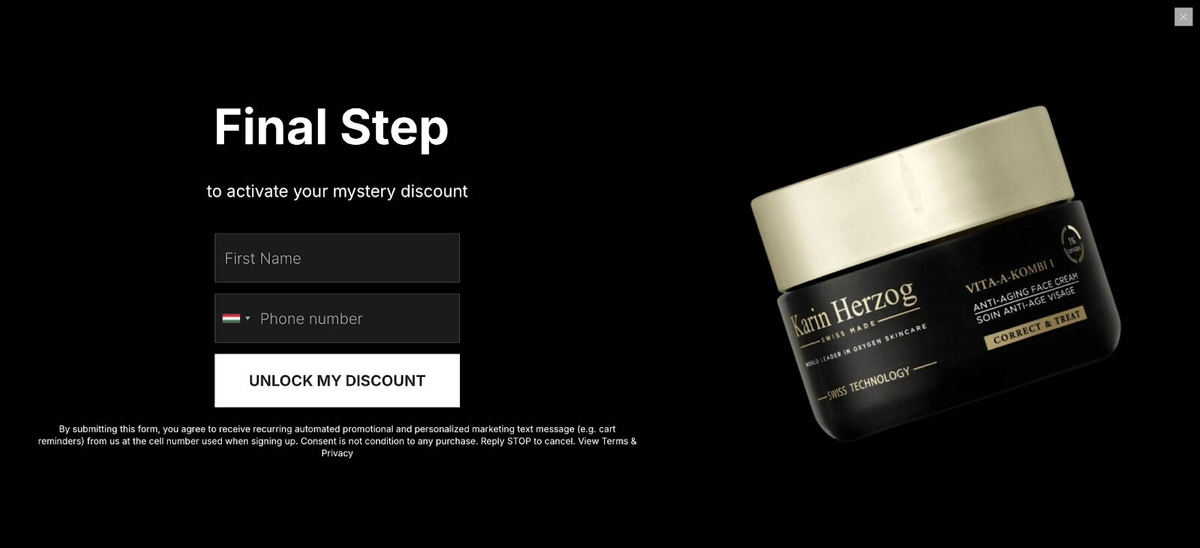
OptiMonk's strongest proof is its own case studies. The skincare brand Karin Herzog reports a "600% conversion rate increase from OptiMonk-powered opt-ins" and "a 9% sitewide opt-in rate, tripling the industry average of 3%." Those are vendor-published numbers about a chosen customer, so read them as a ceiling, not an expectation.
The pricing page's structured data also carries a 4.6 rating from 435 reviews. That figure is OptiMonk's own markup, not a live G2 or Capterra score. The recurring complaints on those sites are the ones above: pageview-based pricing that scales awkwardly for high-traffic, low-intent sites, campaigns switching off at the cap, and gated targeting.
Verdict: who should buy OptiMonk, and who should not
Buy it if you run an ecommerce store with 20,000 to 250,000 monthly pageviews, you want personalization beyond a discount popup, and the AI product-page copy would save you real writing time. On those numbers Essential at $19 or Growth at $69 is fair value, and the free tier lets you build and test a campaign before paying.
Skip it if your traffic is high but converts poorly: a content-heavy site with 400,000 blog pageviews pays Premium prices ($179 and up) to run popups most of those readers will never see. A tool billed on conversions or subscribers suits that site better. ConvertFlow, which we reviewed separately, is the pick if you want quizzes and multi-step funnels more than product-page AI. And if all you need is one exit-intent email capture, your email platform's built-in form costs nothing extra.
The short version: OptiMonk is a good popup builder with a useful AI layer, priced on a unit, total pageviews, that you should measure before you choose a tier.
Ready to try OptiMonk?
Visit the official website to see the latest plans, pricing, and special offers.
Get Started - OptiMonk* Affiliate link - we may earn a commission at no extra cost to you.