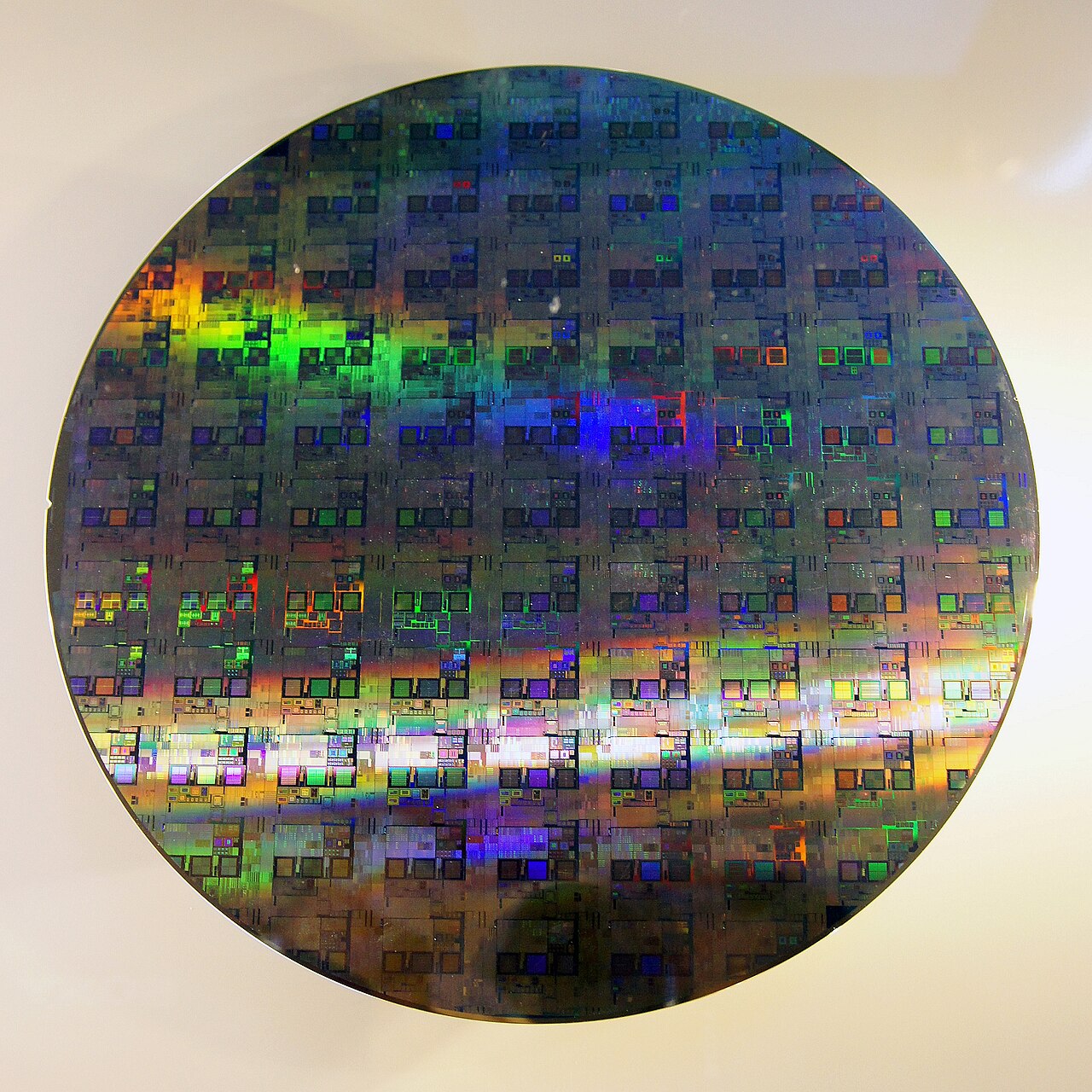
On August 6, 2026, Tesla and SpaceX said they will jointly build a semiconductor complex called Terafab in Grimes County, Texas, about an hour northwest of Houston. The two companies confirmed a first phase of $16.8 billion and a footprint of more than 100 million square feet of manufacturing space. Governor Greg Abbott announced the project alongside the companies, and Elon Musk called it "the largest and most valuable building on Earth by far."
Both firms are Musk's, and both are among the largest private buyers of advanced chips in the world. That is the short version of why this is happening: two companies that cannot get enough silicon are deciding to make their own.
The headline number is not the interesting claim. The interesting claim is scope. Terafab is meant to make, package, and test both advanced logic and memory chips in one vertically integrated site.
That combination is rare on purpose. The industry split these jobs decades ago. TSMC and its Arizona fabs make leading-edge logic and send the wafers elsewhere to be packaged. Memory is a separate world run by Samsung, SK Hynix, and Micron, on different equipment with different economics. Very few companies have tried to do leading-edge logic and DRAM in the same complex, because each is a hard, capital-hungry business on its own.
Doing both matters right now because memory is the part that has been squeezed. DRAM and high-bandwidth memory prices have climbed through 2026 as AI servers soak up supply, and every accelerator needs stacks of it. A company that controls its own memory line is insulating itself from exactly the shortage that has been raising everyone else's build cost.
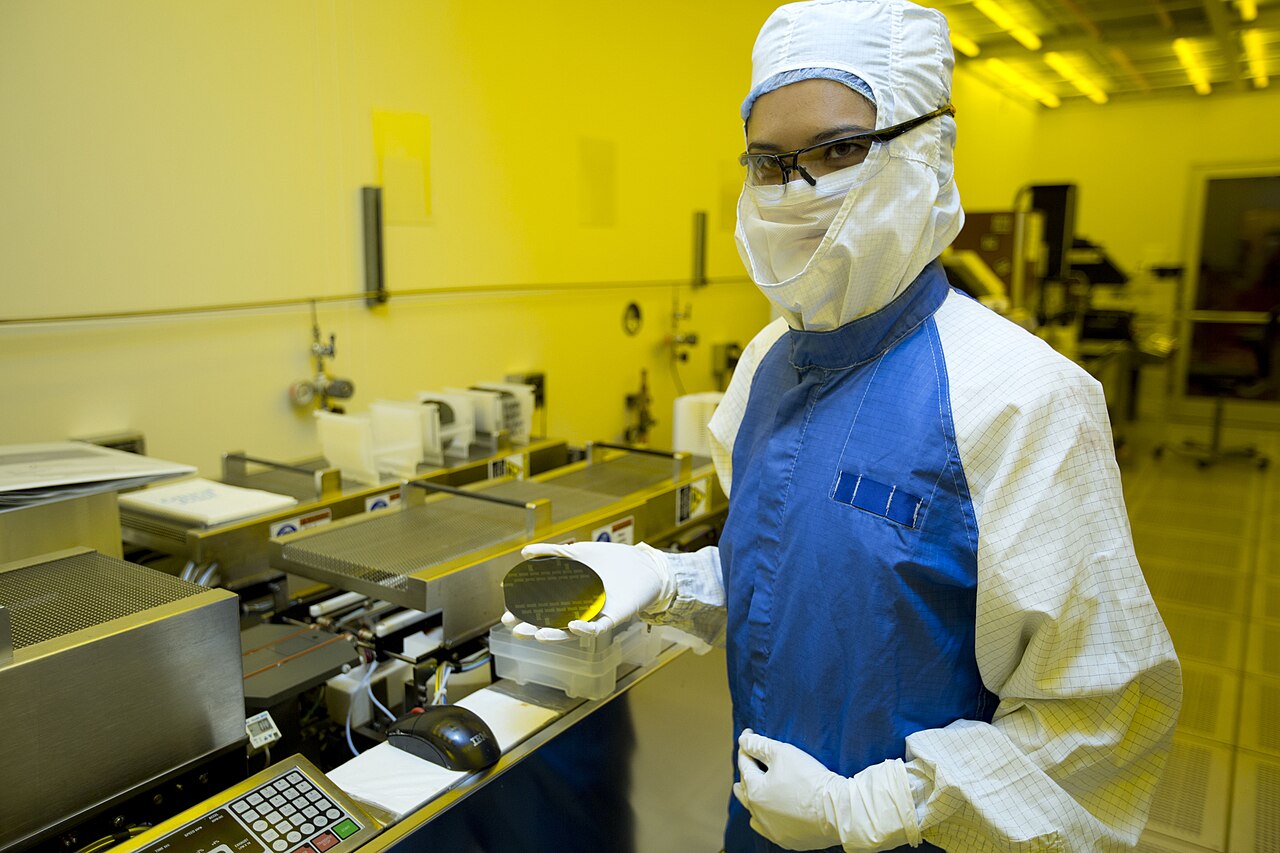
$16.8 billion buys a serious fab, but for context it is a first tranche, not the whole program. An earlier regulatory filing this spring sketched a far larger effort, with total investment reaching as high as $119 billion if every later phase is built. Read the $16.8 billion as the down payment.
Even the down payment sits below what a single leading-edge logic-plus-memory site usually costs to finish, which is a reminder that the 100-million-square-foot figure describes ambition and land, not what opens on day one. For scale, TSMC has committed well over $160 billion to its Arizona cluster over several phases, and Samsung's Taylor, Texas project runs into the tens of billions for far less square footage.
Texas is helping. The state approved a $30 million Texas Enterprise Fund grant and qualified the plant under its JETI program, which trims property-tax exposure on large industrial builds. The companies say Terafab will employ at least 3,000 people, from engineers to technicians and plant operators, drawn largely from Grimes and neighboring Brazos County, home to Texas A&M.
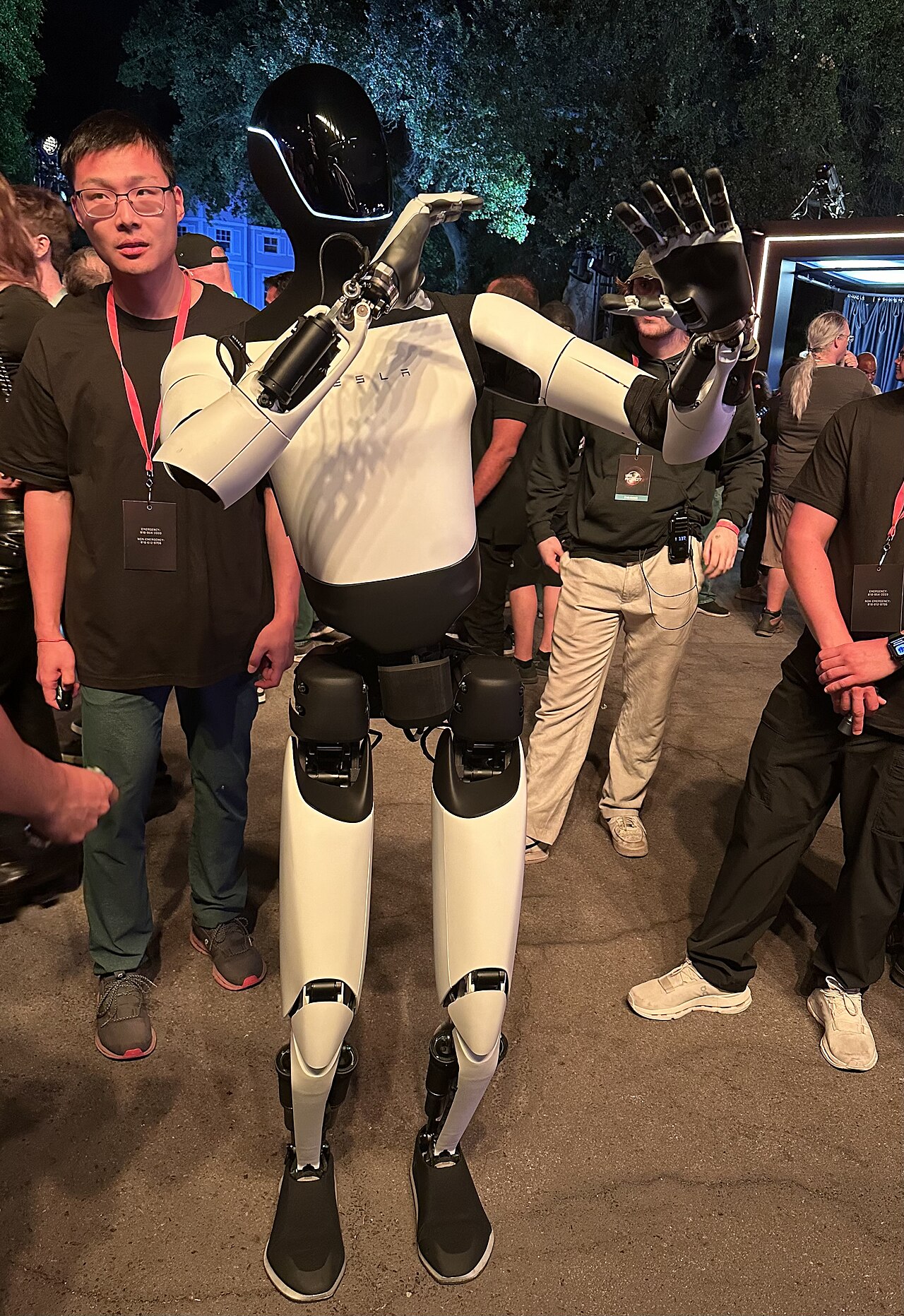
This is not a merchant foundry chasing outside customers. Terafab is aimed at feeding Musk's own hardware, and the demand list is specific: inference chips for Tesla's Optimus humanoid robots, the compute that runs its self-driving Cybercab, and high-power silicon for the space-based data centers SpaceX has begun describing.
All three are volume plays if they work at all. A robot program that ships in the millions needs a captive chip supply the way a car program needs steel. Building the fab is a bet that those products graduate from demos to production, and that owning the silicon is cheaper than buying it on the open market when supply is tight.
The counterweight is that Tesla and SpaceX have never run a wafer fab. Chip manufacturing is a discipline apart from building cars or rockets, measured in yield curves and defect densities rather than delivery quarters. Musk's companies have surprised skeptics before. They have also missed self-imposed dates by years.
Here is the omission worth noticing. As of the August 6 announcement, neither company gave a groundbreaking date or a production start. That silence is telling, because a leading-edge fab is a three-to-five-year build even when everything goes right, before a single sellable chip comes off the line.
So the practical read is that Terafab is a late-decade capacity story, not a fix for the 2026 memory crunch. The jobs and the concrete arrive first. The chips at scale arrive much later, assuming the tooling, the water, the power, and the trained workforce all land where the renderings say they will.
Three things will show whether Terafab is real or aspirational. First, a groundbreaking with a permit trail and equipment orders, since fab tools are ordered years ahead and those contracts are hard to hide. Second, hiring: a plant that needs process engineers by the hundreds either poaches them from established fabs or it does not get built. Third, which process nodes the company actually targets, because "advanced" logic and memory can mean anything from genuinely leading-edge to a comfortable trailing node.
What is not in doubt is the motive. Two of the hungriest chip buyers on the planet have decided the supply chain is too important to rent. Whether they can also learn to run it is the open question, and the answer will take years to read.
Head to the original source for the full announcement and complete details.
Read Original Source