Apple Will Check iCloud "Anyone with the Link" Shares for Harmful Content in iOS 27.3
Apple will check photos and files shared via iCloud "Anyone with the link" for harmful content from iOS 27.3. What is covered, what is not, and what Apple has left unsaid.
News Report

What Apple is changing in 27.3
Apple will start checking files and photos that iCloud users share publicly. A support document Apple published on November 3, 2026, titled "Learn more about sharing content that can be accessed by Anyone with the Link", says that starting with iOS 27.3, iPadOS 27.3, macOS 27.3 and visionOS 27.3, "items shared using Anyone with the Link will be checked by Apple for harmful content."
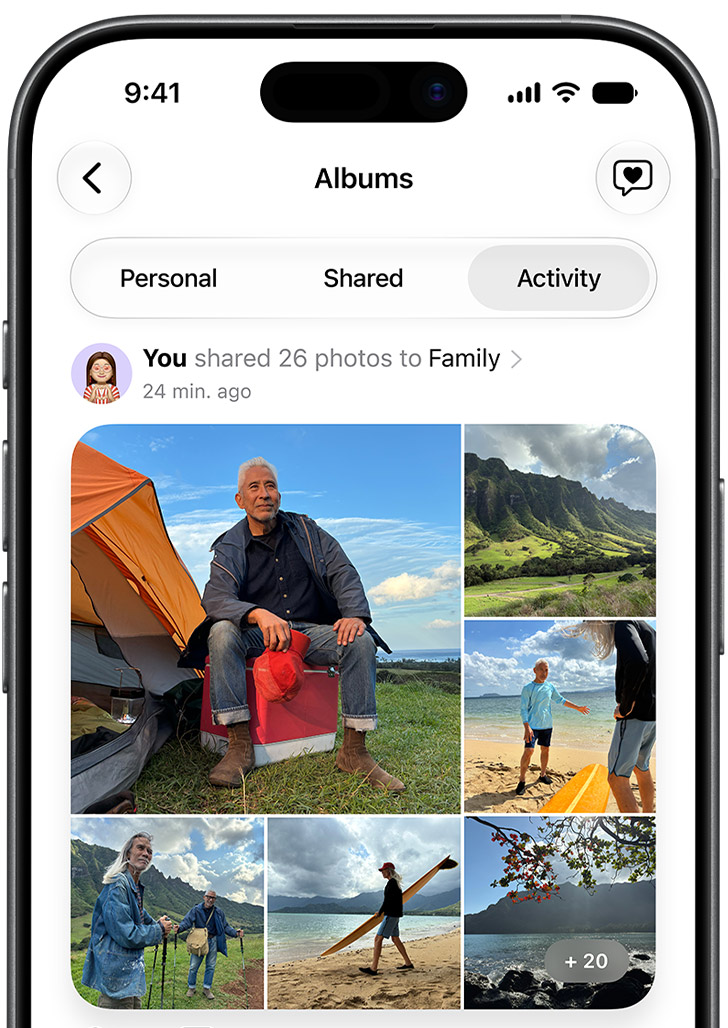
The scope is narrow, and that is the point. When you tap Share a Link on an item, iCloud offers two options. "People you choose" limits access to people you invite or approve. "Anyone with the link" makes the item reachable by whoever holds the URL - and, from 27.3, Apple is explicitly one of those holders. Only the second option is checked. According to MacRumors, links restricted to "People you choose" are not evaluated.
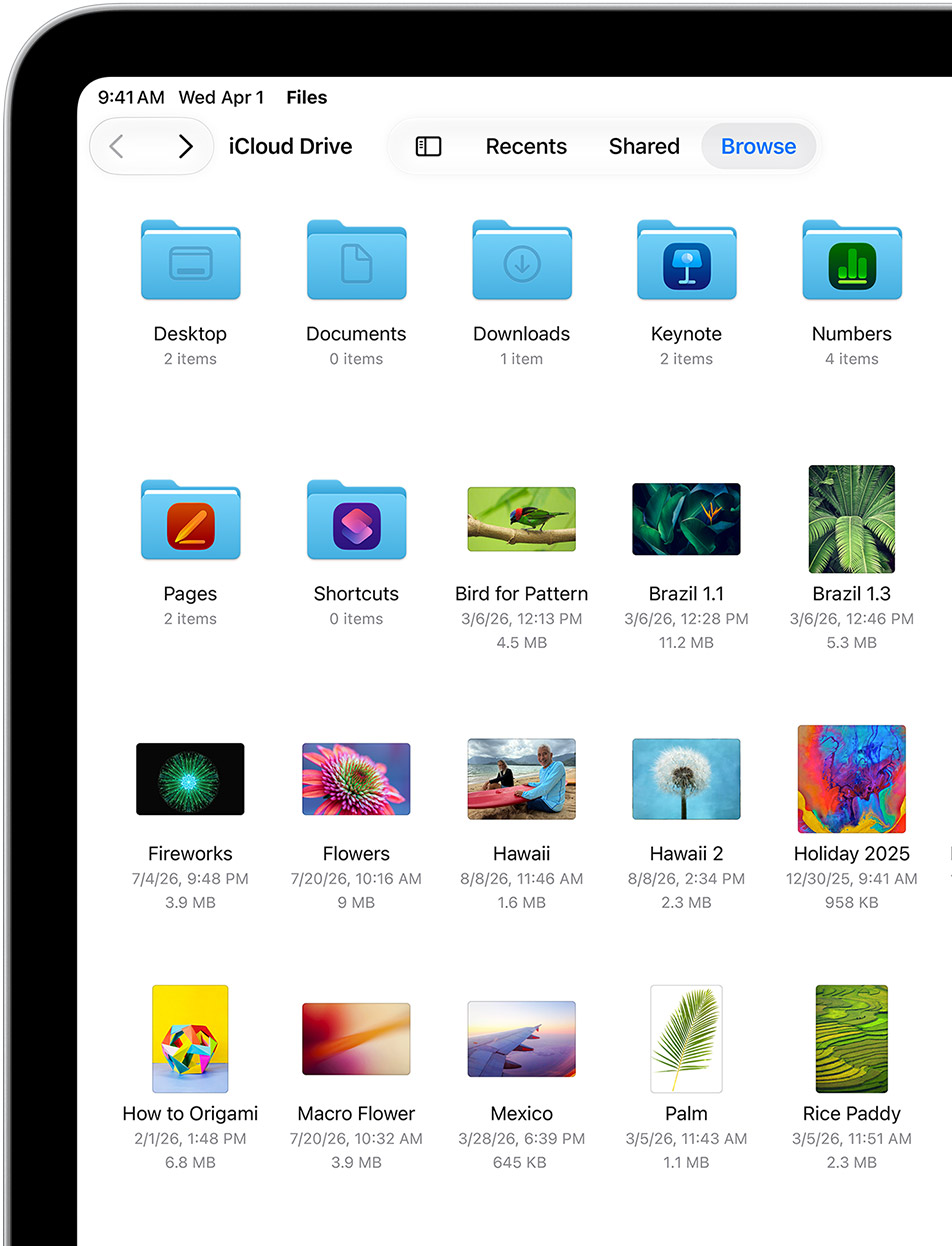
The examples Apple gives are "a photo in iCloud Photos or a file in iCloud Drive." The document names no other app. Nothing in it touches a private photo library, an unshared Drive folder, Messages or anything on the device itself.
The penalties are spelled out more clearly than the trigger. Apple "reserves the right to move, refuse, modify, remove, or delete the content at any time," and it may block or disable the Apple Account behind it, refuse a new account registered with the same email address or phone number, and involve law enforcement if necessary.
The encryption part is not new
Several headlines framed this as public links "losing" end-to-end encryption. That is not what changed. The new document does say that a publicly shared item "is no longer end-to-end encrypted, even if the owner or participants have turned on Advanced Data Protection." But Apple's own iCloud data security overview already listed "sharing content with 'anyone with the link'" alongside iWork collaboration and Shared Albums as features that do not support Advanced Data Protection. Apple holds the keys to that shared copy today.
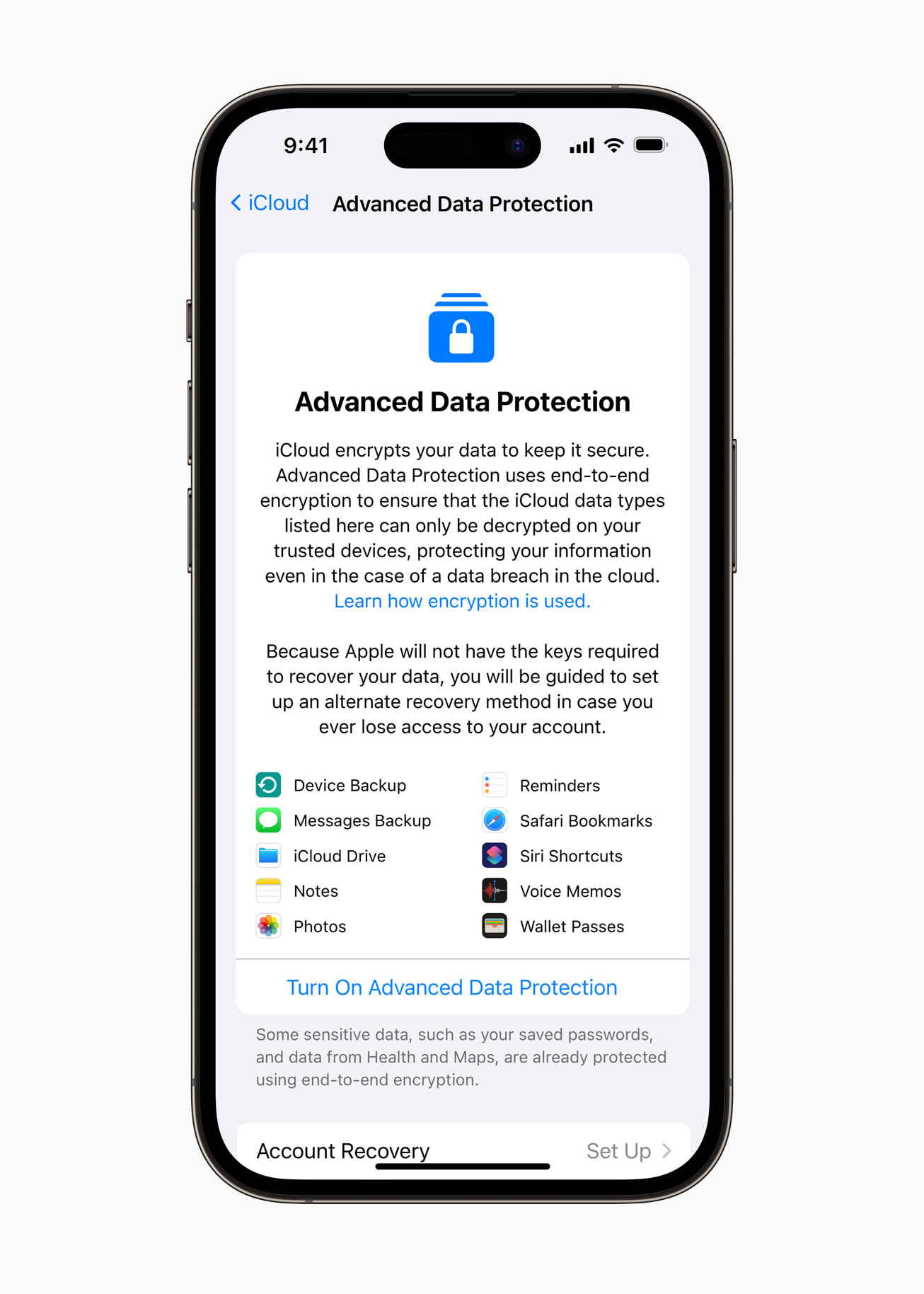
So the before and after is this. Before 27.3, Apple could technically read a public link's contents. From 27.3, it says it will. The cryptography stays where it was. The policy moves.
What Apple has not said
For a document that ends in account bans and police referrals, it leaves a lot open. Apple does not define "harmful content." MacRumors reads the mention of law enforcement as a sign that it could cover malware, malicious files or child sexual abuse material (CSAM), but that is the outlet's inference, not Apple's wording.
It also does not say how the check is done - automated hashing, a machine-learning classifier or human review. It does not say whether links created before the 27.3 updates will be checked, or only new ones. It does not explain how to revoke a link. And a footnote that "not all features are available in all countries or regions" arrives with no list of which regions are in or out, as iPhone in Canada pointed out.
None of those gaps change who is affected. They change how much an affected user can predict. Someone hosting a public download of a security tool, for example, has no way to tell from the document whether a file that antivirus engines flag counts as "harmful."
Why it lands differently from 2021
This is Apple's first server-side content check on iCloud since it dropped its CSAM detection plan. In August 2021 Apple announced a system to match iCloud Photos uploads against known CSAM. It postponed the plan after feedback "from customers, advocacy groups, researchers, and others" and abandoned it in December 2022.
When the child-safety group Heat Initiative pressed Apple on that decision, Erik Neuenschwander, Apple's director of user privacy and child safety, replied on August 31, 2023 that "scanning every user's privately stored iCloud data would create new threat vectors for data thieves to find and exploit" and that "scanning for one type of content, for instance, opens the door for bulk surveillance," as MacRumors reported at the time.
The 27.3 check is built around that objection rather than against it. It does not look at privately stored data. It looks at content the owner has already chosen to make reachable by anyone on the internet. Whether the scope stays that narrow is the question privacy researchers will ask next, and the document gives no commitment either way.
What to check before the update ships
As of November 5, 2026, iOS 27.3 and its siblings are in developer beta, with the first iOS 27.3 beta out this week; MacRumors expects the public release in December. That gives users a few weeks.
The practical change is small for most people and concrete for a few. If you rely on Advanced Data Protection, any item you need to stay end-to-end encrypted should be shared with "People you choose", which keeps it out of the check entirely. If you have used "Anyone with the link" as a quick way to post files for strangers - a portfolio, a mod, a dataset - assume those links will be checked. Apple has not said otherwise for older links, so review them before updating rather than after.
Developers and teams who use public iCloud Drive links as lightweight file hosting have a more specific reason to move. A single flagged file can now cost the whole Apple Account, not just the link. A dedicated host with published abuse rules is the safer place for anything distributed to the public.
The story was first reported by 9to5Mac and MacRumors on November 4, 2026.