Keyword Chef Review: Free Bulk SERP Checks, Paid Per Keyword
Keyword Chef review: how its SERP Score spots forum-ranking keywords, monthly vs lifetime credit pricing checked October 2026, its limits, and who should use LowFruits or Ahrefs instead.
Expert Review

What Keyword Chef actually does
Most keyword tools hand you a difficulty score built from backlink counts. Keyword Chef skips that and asks a blunter question: is a forum thread, a Reddit post or a Quora answer already sitting on Google's first page for this keyword? If it is, a decent article from a small site has a realistic shot at outranking it. That one idea is the whole product, and it is why niche and affiliate site builders still recommend it.
Ben Adler founded it in 2021 and soft-launched it to his Affiliate Niche Builders Facebook group after six months of private beta. It is still a one-founder tool, and that shows in two directions: the price per keyword is low, and the feature list has barely moved in two years. What has changed is the thing most reviews still get wrong. It is no longer a pay-as-you-go-only tool.
How a report works
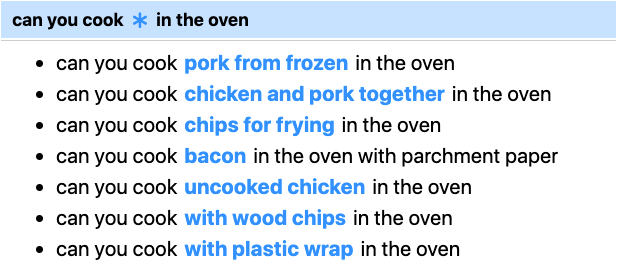
You type a seed, pick a category - Questions, Best, Compare, How to, Most, Alternatives, Ideas or Wildcard - and Keyword Chef pulls autosuggest and People Also Asked variations around it. Wildcard is the interesting one. Put an asterisk in the seed ("can dogs eat *") and the report fills the gap with real queries. The docs warn that more than one asterisk "may work sometimes" but is not officially supported. A minus sign excludes words, so cooking -chicken -pasta keeps two sub-niches out of the report.
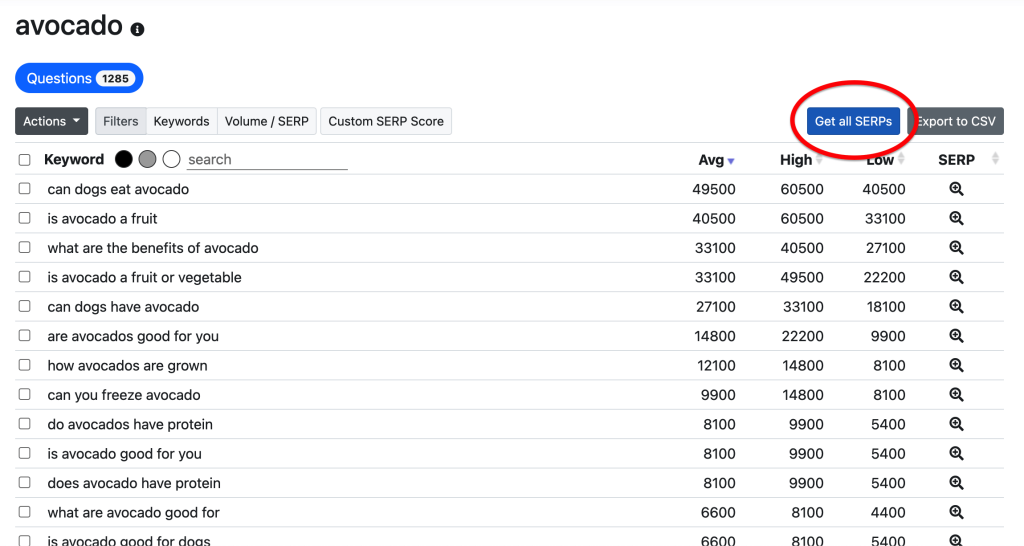
The billing rule is what matters: every keyword returned costs one credit. Each credit carries average, high and low monthly volume, PAA keywords, similar keywords, the SERP Score and a SERP preview. Looking up the SERP costs nothing extra, and the Get All SERPs button checks the whole report in bulk at no charge. Before you spend anything, a preview window shows a sample of the keywords so you can filter out junk. And if a report returns more keywords than you have credits for, the vendor says the extra ones are free.
Two catches. Importing your own list also costs a credit per keyword, capped at 1,000 per import, so it is not a cheap bulk SERP checker for a list you already have. Broad seeds burn credits fast, too: Kripesh Adwani's review warns that topics like travel, food or fashion drain an account quickly, and Niche Pursuits lists the same complaint. Narrow seeds and negative words are how a $20 pack lasts.
The SERP Score, and what it misses
The SERP Score is the number of "easy to outrank" sites on page one, where easy means user-generated content - forums, social sites, Q&A pages. Zero to two shows grey, three yellow, four or more green. You can customise the list, dropping Pinterest for example or adding domains you consider weak. Filters cut the report by volume and SERP Score, and two checkboxes surface keywords with no featured snippet or no YouTube result on page one.
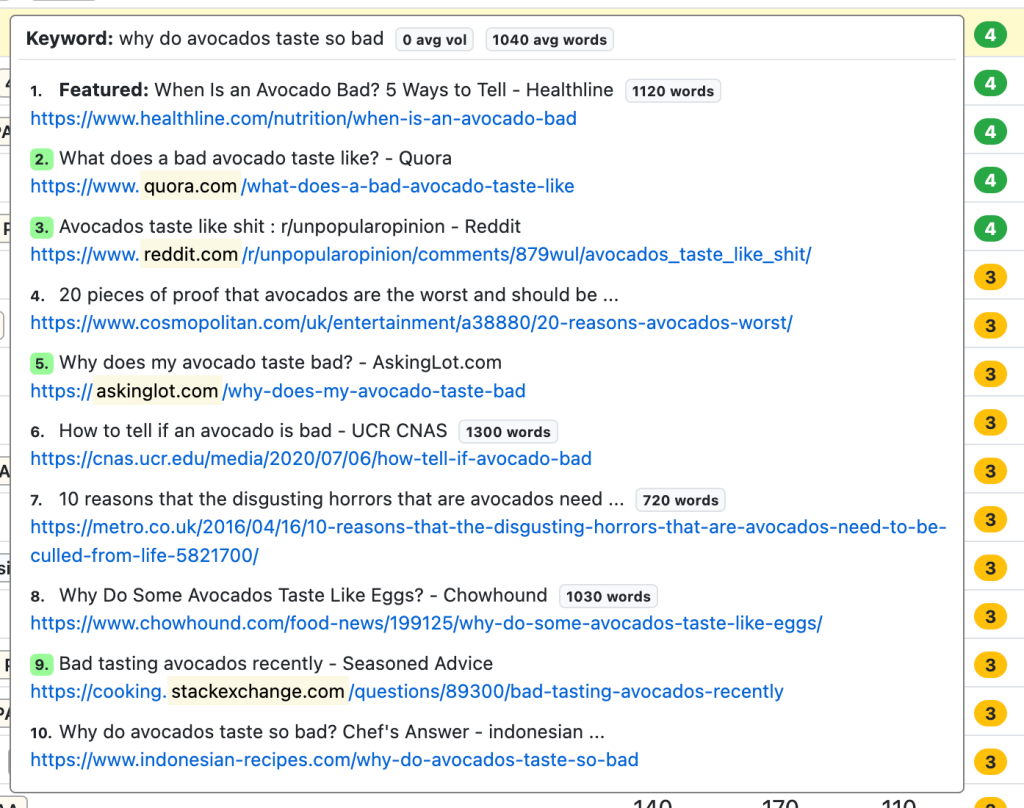
It is a count, and that is its limit. Sam Frost's June 2025 review calls it an "arbitrary 'yes/no'" judgment on whether each result looks like a forum thread or a Pinterest link. There is no domain rating, no backlink count, no keyword difficulty score and no filter for low-authority blogs. A page with four Reddit threads and six major publishers scores green. A page full of weak three-year-old blogs scores grey. Treat a 4 as "open the SERP preview", not "go write it".
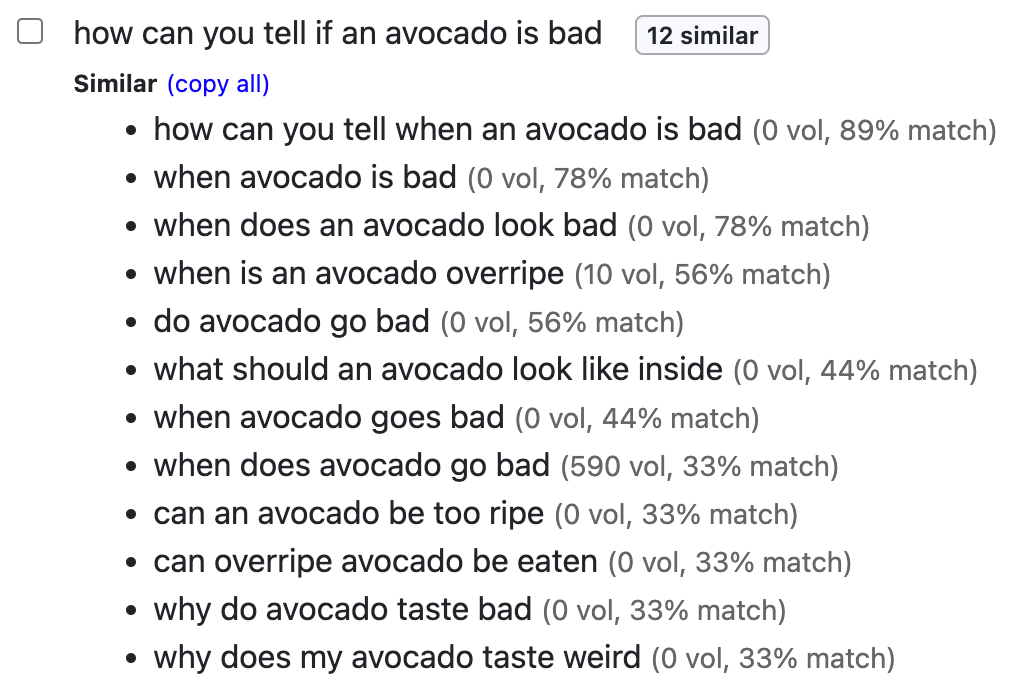
The Similar panel is the other useful piece. It groups keywords from your report by how much their search results overlap; a 100% match means every link on that SERP also ranks for the main keyword. That is keyword clustering, and it tells you which questions belong in one article rather than five.
Pricing: monthly credits vs lifetime credits
Many reviews, including The Website Flip's from 2022, still say Keyword Chef has no monthly fees. That is out of date. Checked on the pricing page on October 16, 2026, monthly subscriptions lead the page and sell the cheaper credit, with the old lifetime packs beside them.
| Plan | Price | Credits | Per credit | Credits expire |
|---|---|---|---|---|
| Starter (monthly) | $29/month | 5,000 | $0.0058 | End of billing cycle |
| Plus (monthly) | $69/month | 20,000 | $0.0034 | End of billing cycle |
| Pro (monthly) | $119/month | 50,000 | $0.0024 | End of billing cycle |
| Starter (lifetime) | $20 once | 1,200 | $0.0167 | Never |
| Plus (lifetime) | $100 once | 10,000 | $0.01 | Never |
| Pro (lifetime) | $250 once | 50,000 | $0.005 | Never |
The trade is expiry. Monthly credits do not roll over, lifetime credits never expire, and if you hold both the monthly ones are spent first. Subscriptions also get first queue priority and Niche Insights, which lifetime buyers do not; bought on its own, Niche Insights is $97 a year and includes no credits.
Our arithmetic, not the vendor's: a Starter lifetime credit costs 1.67 cents, nearly three times the 0.58 cents of a Starter subscription credit. That gap closes quickly once you stop using what you paid for. The $119 Pro subscription only beats the $250 lifetime pack on cost per keyword if you use about 23,800 of its 50,000 credits every month - and the lifetime buyer's leftovers are still there next year. If you research in bursts, a new site every few months, lifetime packs are the better buy despite the higher sticker price.
Smaller print. PayPal works for lifetime packs only, not subscriptions. Cancelling keeps your monthly credits until the cycle ends. The only refund statement sits in the terms, last modified July 6, 2022: "Charges paid by Customer are non-refundable." Those same terms still describe one-off payments with no monthly billing, so they predate the subscriptions they now cover.
The free account gives 1,000 credits with no card and no time limit, but caps you at 30 SERP lookups and blocks Get All SERPs. Signup asks for a name, email, password and a website. That is two or three narrow reports - enough to judge whether the SERP Score suits your niche before paying.
Limits the sales page leaves out
It is English only. Country-level volume exists for seven markets: Australia, Canada, India, New Zealand, South Africa, the UK and the US. Pick any other country and you get that country's SERPs with global search volume, which turns a German or Brazilian niche into guesswork. Global search returns worldwide volume against US SERPs.
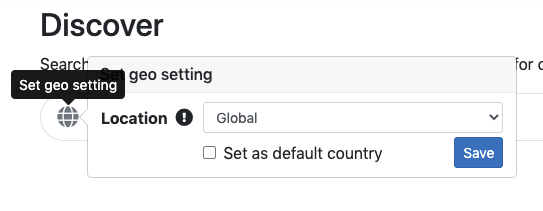
Volume comes from Google Keyword Planner through a third-party API, and the docs admit that many keywords will show zero volume while still sending real traffic. Honest, but it makes the volume column a hint for long-tail questions rather than a forecast. Everything is Google - no Bing, YouTube or Amazon data.
There is no API. Kripesh Adwani's review, updated June 2026, still says "Keyword Chef does not have an API yet." There is no AI Overview tracking, content optimiser, rank tracker or backlink data either. CSV export covers full reports, single keywords and PAA keywords, and since early 2024 the SERP data from the Domains Report.
Development is slow. Every changelog entry is signed by Ben, and the newest, dated April 6, 2025, is a server upgrade "for cost saving and better performance". Nothing has been logged in 2026. That does not make it a dead tool - it runs, and the pricing page was clearly reworked - but anyone who remembers Long Tail Pro going dark should buy lifetime credits in amounts they will spend within a year. Sam Frost also reports the occasional report that returns an application error instead of results.
Keyword Chef vs LowFruits, Ahrefs and Keywords Everywhere
LowFruits is the closest rival and the one to pick if the SERP Score feels too crude. It pulls the live top 10 and flags low-DA sites as well as forums, with credits starting at $0.005 per SERP - but a broad seed can eat a month of them, the same trap Keyword Chef sets. Ahrefs is the full suite, with difficulty scores, backlinks and rank tracking; its Lite plan was $129 a month when we checked on October 8, 2026, more than Keyword Chef's top subscription, and it meters usage on top. If all you want is volume beside the Google search box, Keywords Everywhere costs $84 a year and needs no separate app. Keyword Revealer is another budget option, though it has repositioned itself around AI-search citations.
Verdict
Buy Keyword Chef if you build English-language niche or affiliate sites and want low-competition questions and long-tail keywords cheaply. The free bulk SERP check on every keyword it returns is real, and at 0.24 to 1.67 cents a keyword it is one of the cheapest ways to find where forums and Reddit are holding page one. Start with the free 1,000 credits, then buy a lifetime pack rather than a subscription unless you will run reports every week.
Skip it if you work outside its seven volume countries or in another language, or if you need a difficulty score, backlinks or an API. LowFruits gives more SERP detail for the same job. Ahrefs covers everything else at roughly four times the cheapest Keyword Chef subscription.
Ready to try Keyword Chef?
Visit the official website to see the latest plans, pricing, and special offers.
Get Started - Keyword Chef* Affiliate link - we may earn a commission at no extra cost to you.