IBM Manta Data Lineage Review: Reading the Code Your Pipelines Forgot
A review of IBM Manta Data Lineage SaaS: code-level, column-level lineage across 50+ scanners, its quote-based pricing, what real users report, and who should buy it versus a dbt/Snowflake stack.
Expert Review

Table of Contents
What IBM actually bought
Most data-lineage tools guess. They watch queries run, read a warehouse's system tables, or ask you to tag columns by hand, and then they draw arrows. Manta does something harder: it reads the code. Point it at a Teradata BTEQ script, an Informatica mapping or a stored procedure and it parses the SQL and ETL logic statically, the way a compiler would, to work out that this column was built from those three, through this CASE statement, in that job. The result is column-level lineage that holds up even when nothing is running.
IBM announced it was acquiring the Czech startup, founded in 2016, on October 24, 2023, and folded it into its data-and-AI-governance line. The fully-hosted cloud edition, IBM Manta Data Lineage SaaS, reached general availability on October 4, 2024, and is now sold as a component of watsonx.data Intelligence. This review is about that SaaS edition, checked against IBM's product page in September 2026.
The scanners are the product
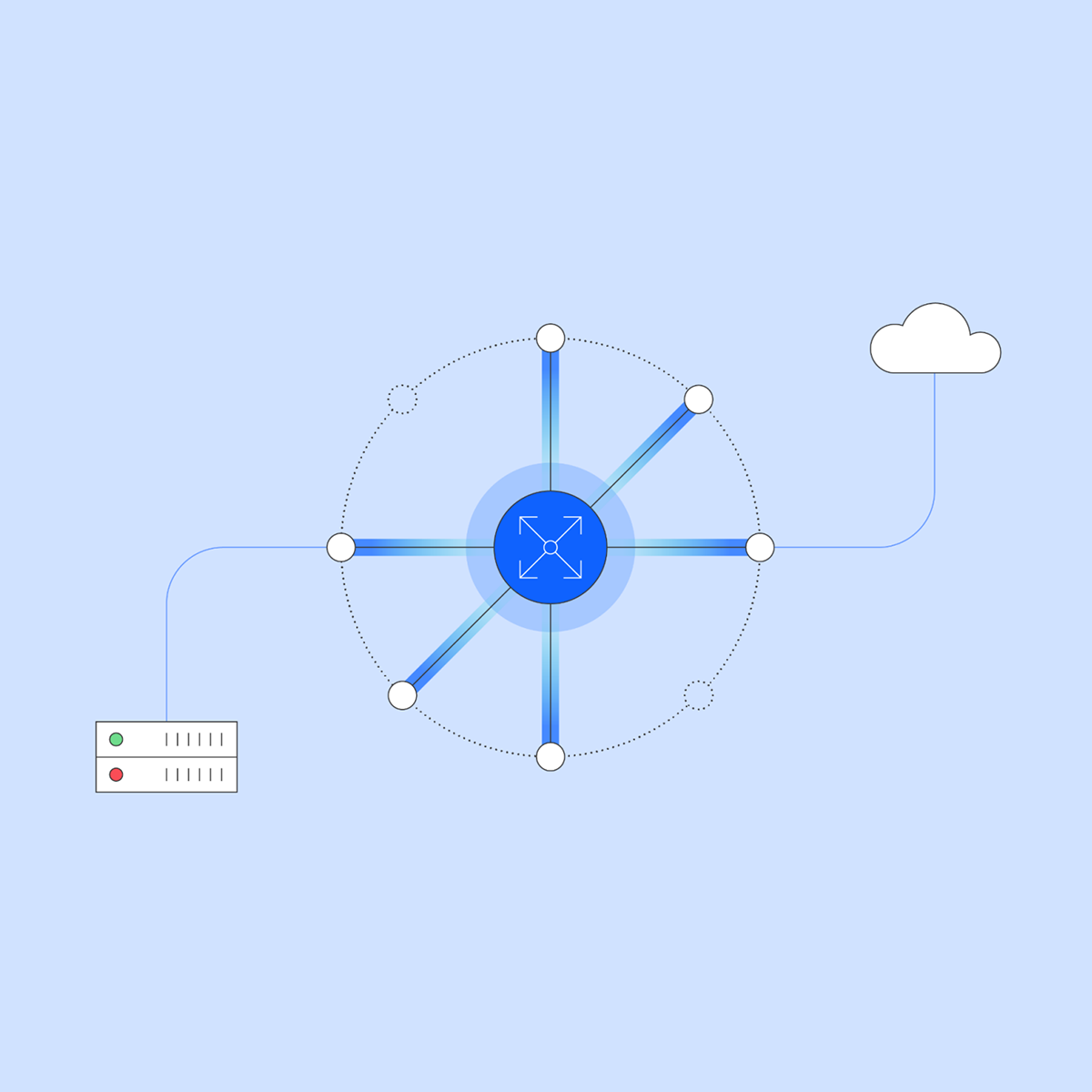
What you are really paying for is the library of parsers. IBM lists 50-plus scanners covering the platforms enterprises actually run legacy pipelines on: Teradata, Oracle, Microsoft SQL Server, Informatica, Databricks Unity Catalog and the rest. Each one understands the dialect and quirks of its source, which is the whole game. A generic SQL parser chokes on Teradata's proprietary syntax or an Informatica workflow's XML; a dedicated scanner does not.
That breadth is also the honest limit. Lineage is only as good as the coverage, so the first question for any buyer is not "does it support my database" but "does it support the specific ETL tool, orchestration layer and BI front-end my data passes through". A pipeline that leaves SQL for a Python job Manta cannot read leaves a gap in the map, and a lineage map with gaps is the one thing worse than no map: it looks complete.
IBM positions the SaaS around four jobs: harvest lineage automatically, contextualize it with business semantics, tailor how much detail each user sees, and activate it in downstream governance and DataOps workflows. In plain terms it scans, draws, annotates, and feeds the result to the tools that need it.
Why there is still no price
IBM does not publish a number. As of September 2026 the product page offers a self-serve "Try for Free" signup alongside a "Book a live demo" path, and nothing more concrete than that. G2's listing says pricing "is based on the selected features and the number of scripts in the package", which is the plainest statement of what drives the quote: it scales with how much code you make it read.
You will find a $30,000-per-user-per-year figure floating around on Capterra, SoftwareAdvice and GetApp. Treat it as a historical artifact, not a quote. It is attached to the legacy on-prem "Manta Flow" listing, it predates both the IBM acquisition and the SaaS launch, and those same three sources, which share one crowd-sourced pricing database, cannot even agree on whether a free trial exists. Capterra and SoftwareAdvice say there is none; GetApp says there is both a trial and a free version. When the aggregators contradict each other, the only safe read is the vendor's: custom, quote-based, sized by scanners and scripts, and you will be talking to IBM sales before you see a figure.
The free signup is real, but nobody outside IBM has confirmed what it lets you scan or for how long, so do not budget around it.
What the people who ran it say
Public reviews are still mostly of the pre-IBM product, and they are consistent enough to be useful. Across 12 reviews on Capterra and SoftwareAdvice, legacy Manta Flow scores 4.2 out of 5: customer support rates highest at 4.5, value for money sits at 4.0, and ease of use is the weak spot at 3.7.
The praise is specific and it is always about the core job. An architect valued being able to "visualize the data lineage of variables/fields/items in stored procedures"; a senior engineer said it "really helps during the problem solving and for migrating the existing flow into new platform", which is the migration use case IBM leans on hardest. The complaints are just as specific and worth pricing in before you sign. One business analyst noted "there is not a way to export data lineages to excel". Engineers said the "UI for the manta viewer can be improved" and the "Administrator interface could be much better". And one reviewer's summary is the one to keep: "quite pricey depending on your wants and needs".
None of this touches the SaaS console specifically, so weigh it as a read on the engine, not the current hosted UI.
Who should buy it, who should skip
Buy Manta if you are the data-governance or platform team at a bank, insurer or carrier with a decade of Teradata, Informatica and Oracle underneath you, a cloud migration or a merger forcing you to prove where every column came from, and a budget that already assumes six figures. This is the tool that reads the old code no one wants to open. IBM's 2023 announcement named T-Mobile, BMO, J.B. Hunt and SCP Health as customers, which tells you the shape of the buyer even if it says nothing about the SaaS today.
Skip it if your stack is modern and mostly one place. If your transformations live in dbt and Snowflake, dbt already exposes column-level lineage for free from the same code, and Snowflake's ACCESS_HISTORY covers query-level flow, so paying IBM to re-derive it is spending a governance budget on a problem you have already solved. Skip it too if you need to hand analysts a spreadsheet of lineage, because on the record that export does not exist.
Manta is a specialist instrument for a specific, expensive problem: making sense of sprawling legacy pipelines that predate every good intention about documentation. When that is your problem, few tools read the code as literally. When it is not, the quote will tell you so.
Ready to try Manta?
Visit the official website to see the latest plans, pricing, and special offers.
Get Started - Manta* Affiliate link - we may earn a commission at no extra cost to you.