PayPal Business Review 2026: Trusted, Ubiquitous, Expensive
A 2026 review of PayPal Business: the 3.49% + 49¢ online rate, the fees hiding beneath it, the account-hold risk, and when to use PayPal as a secondary checkout.
Expert Review
Why it still converts
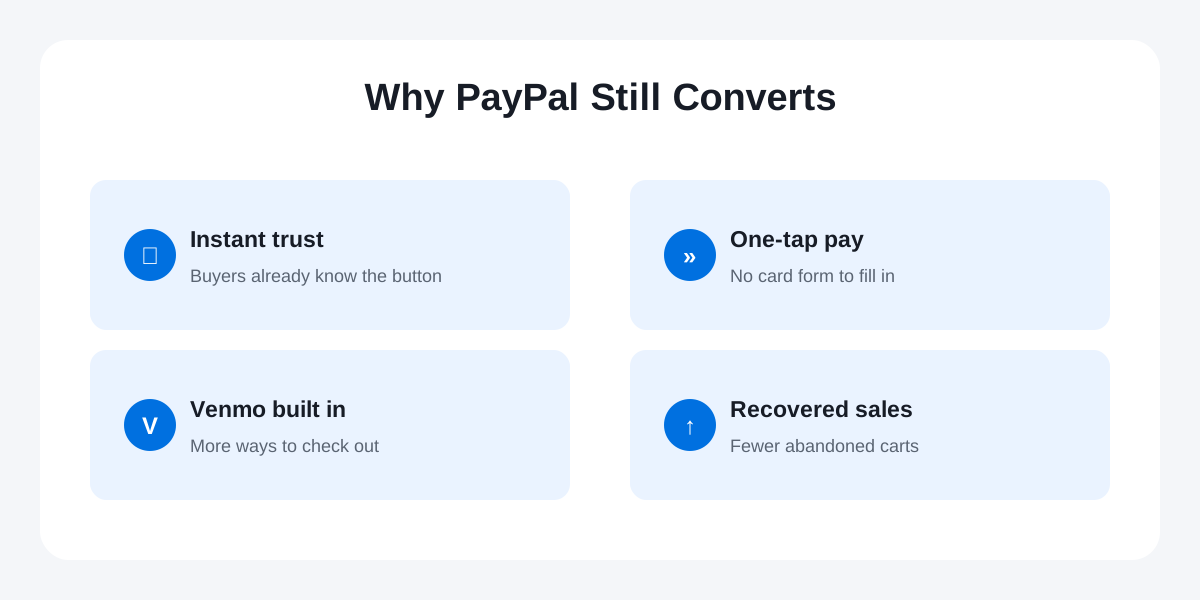
PayPal's edge is not technology. It is a wallet already sitting in hundreds of millions of buyers' phones, tied to a card and a login they trust enough to click without thinking. That trust is the entire case for keeping it on your checkout. A shopper who hesitates at a card form will often complete the same purchase when the PayPal button, and with it Venmo, is right there.
For a business, that translates into recovered sales, especially from first-time buyers who will not hand their card number to a store they have never used. Nothing else in this review offers that. It is also the reason PayPal can charge what it charges: you are paying for conversion, not for a cheaper way to move a card transaction.
The fees, in full
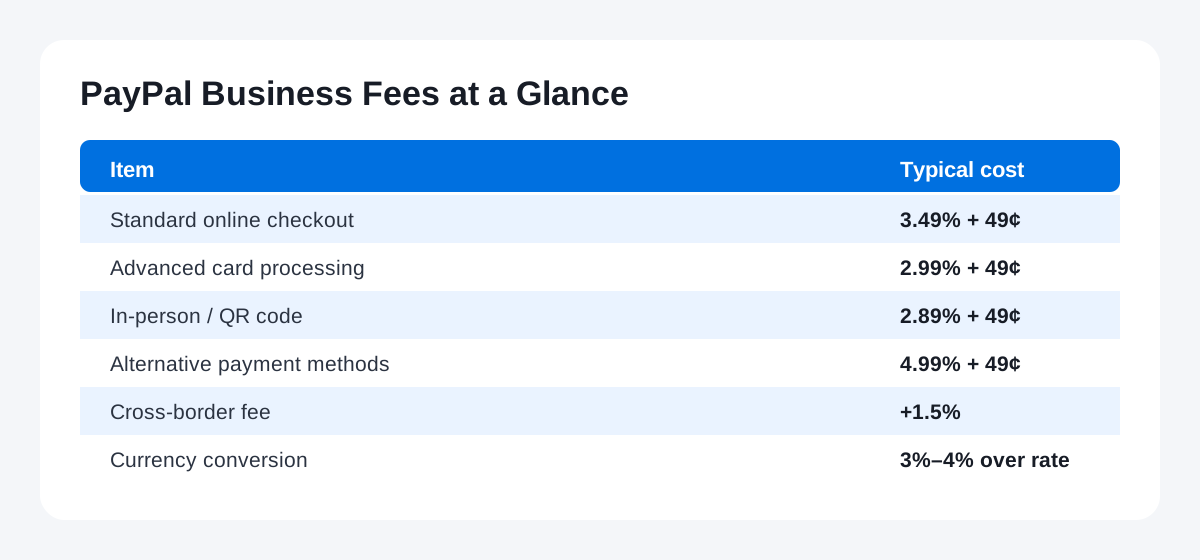
This is where enthusiasm meets the invoice. The US rates, checked in January 2026:
- PayPal and Venmo online checkout: 3.49% + 49¢
- Card payments via PayPal Checkout: 2.99% + 49¢
- Advanced (expanded) card processing: from 2.89% + 49¢
- Pay Later: 4.99% + 49¢
- International sales: add roughly 1.5% on top of the base rate
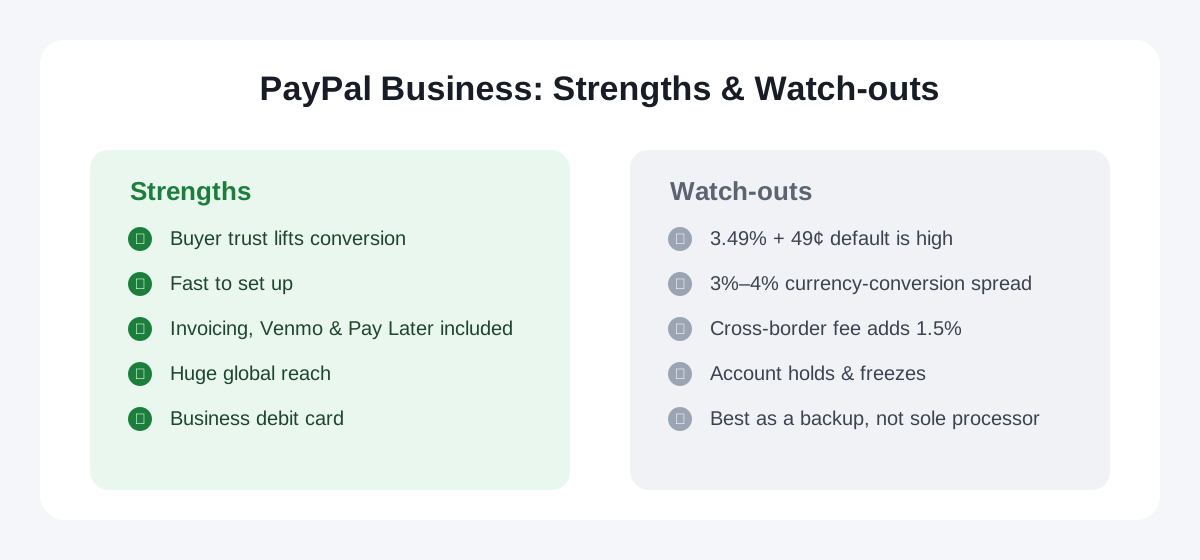
Two traps live in that list. First, the default: if your storefront routes every buyer through the PayPal Checkout button, you are quietly paying 3.49% when routing plain cards directly would cost 2.89%, half a point you never see. Second, currency conversion. When PayPal converts a foreign payment it adds a spread of roughly 3% to 4% on top of the exchange rate, which stacks with the 1.5% cross-border fee. Against Stripe's 2.9% + 30¢, PayPal is simply the more expensive way to take a card, and that gap is the price of the button's trust.
What the account includes
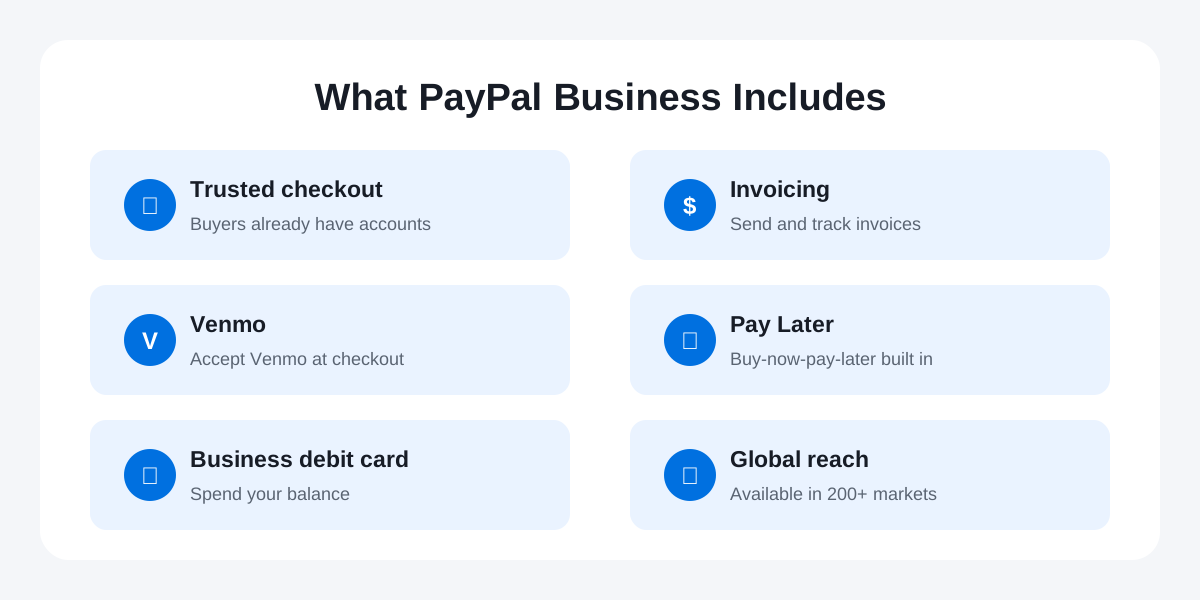
You do get a real toolkit for the money, and it is genuinely broad:
- Invoicing you can send in minutes, paid by card or PayPal balance.
- PayPal and Venmo acceptance from one integration, which reaches buyers who prefer either.
- Pay Later, where PayPal funds the installments and pays you up front.
- A business debit card and working-capital loans repaid as a slice of sales.
- A virtual terminal for keying in phone orders, and no monthly fee to keep the account open.
Setup is the real strength. You can be taking payments the same afternoon with no underwriting wait and no monthly minimum, which is why so many micro-sellers and side projects start here. For a business testing whether an idea sells at all, that zero-friction start has value.
The account-hold risk
The complaint that recurs across years of PayPal reviews is not the fees. It is holds and freezes. PayPal can place a hold on incoming funds, commonly up to 21 days for newer or higher-risk accounts, and in worse cases freeze or limit an account while it reviews activity. A sudden spike in sales, a burst of chargebacks, or an unfamiliar transaction pattern can trigger it, and the money you were counting on is locked while you appeal.
This is the single biggest reason not to make PayPal your only processor. If a freeze hits and PayPal is your sole rail, your cash flow stops. Treating it as one option among several, rather than the whole checkout, is not caution, it is the standard advice from people who have been burned. Keep a second processor live so a hold is an inconvenience, not a crisis.
Verdict
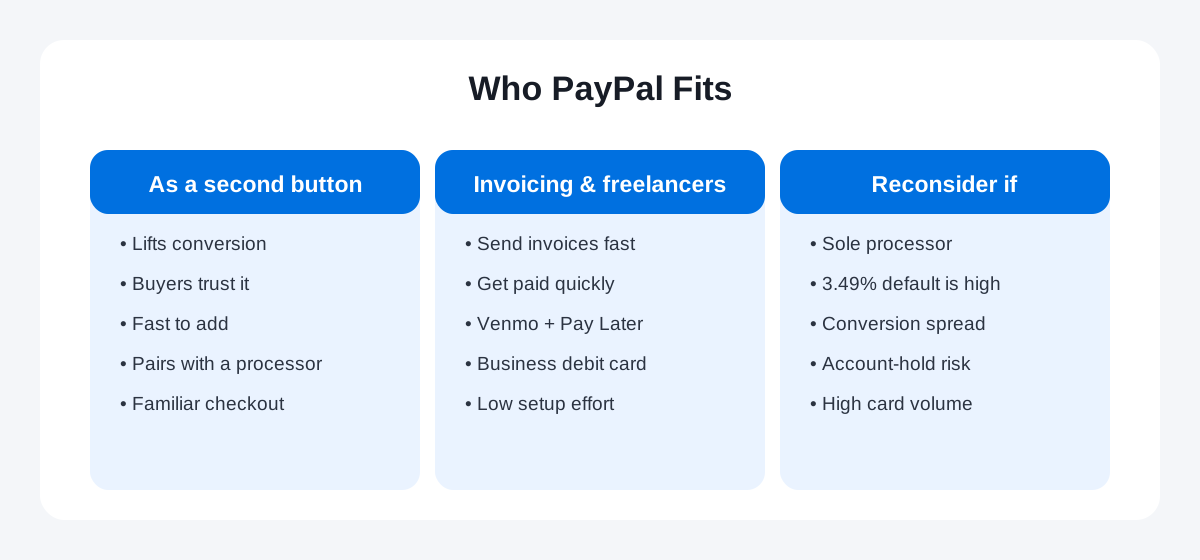
PayPal Business is right as a secondary payment option almost everywhere. Add the button alongside your main card processor to capture the buyers who will only pay through PayPal or Venmo, and the conversion it recovers usually outearns its higher rate. It is also a fair starting point for a micro-seller or brand-new store that needs to take money this afternoon with zero setup.
Skip it as your primary processor if you do meaningful card volume. The 3.49% default, the conversion spread and the hold risk all compound, and Stripe or Airwallex will move the same transactions for less with steadier settlement. And if you sell internationally at scale, watch the currency-conversion markup closely, because that is where PayPal quietly takes the most. Use it for the trust, not for the pricing.
See current PayPal Business rates here.
Ready to try PayPal Business?
Visit the official website to see the latest plans, pricing, and special offers.
Get Started — PayPal Business* Affiliate link — we may earn a commission at no extra cost to you.