Suno Will Watermark Its AI Songs So Streaming Platforms Can Spot Them
Suno announced audio watermarking, fingerprinting and download limits on August 6, 2026 to make AI songs identifiable on streaming platforms amid lawsuits from major labels.
News Report

What Suno announced
Suno, the app that turns a text prompt into a finished song, says it will start tagging its own output. In a blog post titled "Building the Future of Music Responsibly," published on August 6, 2026, co-founder and CEO Mikey Shulman said the company is rolling out audio watermarking and fingerprinting "in the coming weeks." The goal is narrow and specific: a song made on Suno should stay identifiable as a Suno song after it leaves the app and lands on Spotify, YouTube or anywhere else.
Two other changes ship alongside the watermark. Suno is adding a labeling layer so partner platforms can show listeners when a track was generated on its service, and it is introducing a downloads policy that will "limit the ability to mass distribute songs on streaming platforms" while leaving normal professional, creative and personal use intact.

Why it matters
The download cap is the tell. It exists because of a specific abuse pattern that has been draining streaming royalty pools: a user generates hundreds or thousands of tracks, uploads the flood to a streaming service, then points bots at them to farm plays and collect the per-stream payout. Detection matters more to the platforms paying those royalties than to anyone listening. An inaudible fingerprint gives Spotify or a distributor a way to flag or block the whole batch at the source rather than chase individual uploads.
It is also a reversal of posture. Suno's product spent two years making AI music a firehose, and cheap volume was the point. Watermarking every track and throttling mass uploads is the company conceding that unlimited, untraceable output is the problem, not the feature. Shulman framed it around the human side in the post: "Great music is made by people," he wrote, arguing that technology "can't replace the human experiences, emotions, and imperfections that make music meaningful."

How the tools work
A watermark hides an identifying signal inside the waveform itself, low enough that a listener does not hear it but a detector can read it back even after the file is re-encoded or lightly edited. Suno says its version is "designed to be durable and resistant to tampering, without affecting the listening experience." The approach is the same idea as Google DeepMind's SynthID, which survives compression and format changes. As of August 12, 2026, Suno has not said whether it is licensing SynthID or building its own scheme.
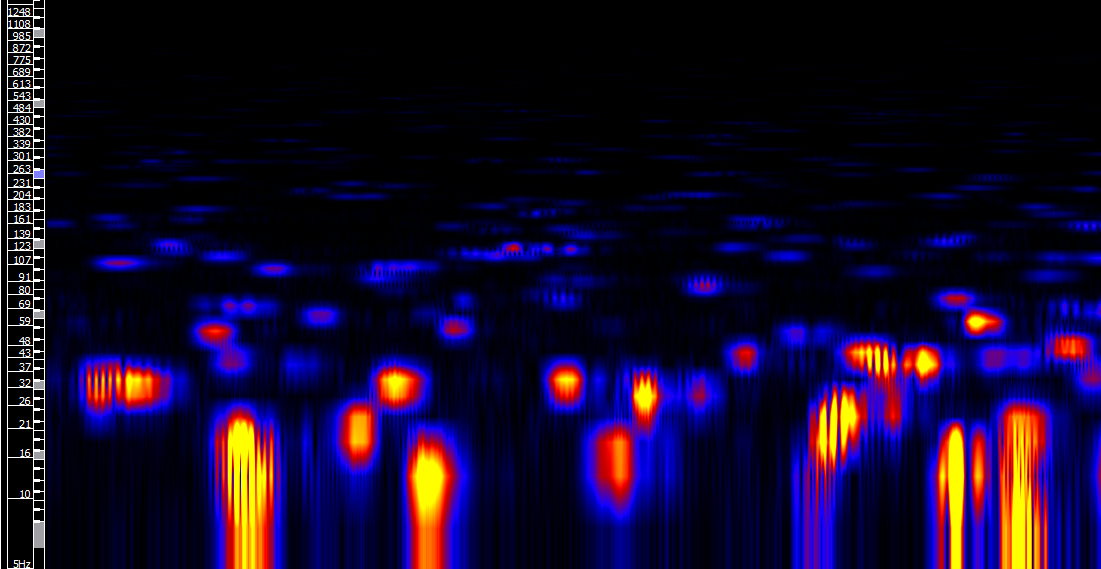
Fingerprinting is the other half. Rather than hiding a mark, it derives a signature from the audio and lyrics and matches uploads against a reference database. For that, Suno named two established content-ID partners: Audible Magic, which powers upload matching across the music industry, and Musixmatch, whose Sentinel system screens lyrics. Together they let a platform ask "have we seen this before?" without needing Suno's watermark to be present.

Suno also tightened its community guidelines in the same update. The rules now spell out bans on recreating existing songs, using unlicensed material, cloning a real person's voice or likeness without permission, and passing off "deceptive audio presented as real."
The legal backdrop
None of this arrives in a vacuum. Suno is being sued by the major labels in a case coordinated by the RIAA, with Universal Music Group and Sony Music among the plaintiffs alleging the company trained on copyrighted recordings without a license. On the same theme, a German court sided with the collecting society GEMA earlier in 2026, an early European verdict that Suno's training crossed the line on protected music. A separate class action stems from a November 2025 data breach that exposed information tied to millions of accounts and, in the process, surfaced evidence about where the training audio came from.
Transparency tools do not settle any of those claims. They do give Suno something to point to. A company that can show it fingerprints its output, honors label takedowns and blocks likeness abuse is arguing, in effect, that it can be a licensed partner rather than a defendant.
What to watch
The announcement is a commitment, not a shipped feature. Suno gave a "coming weeks" window and left the load-bearing detail open: which watermarking system it will actually use, and how a partner platform reads the mark in practice. Watermarks can also be attacked, and any scheme that survives casual re-encoding will draw people trying to strip it.
The clearer signal is what the download limit does to the spam economy. If mass uploads to streaming get harder, the fake-royalty schemes that made Suno a target for platforms lose their cheapest input. Whether that is enough to change how the labels treat the company in court is the question the next few months will answer. Suno's own blog post is the primary source for the plan.
Read the original source
Head to the original source for the full announcement and complete details.
Read Original Source