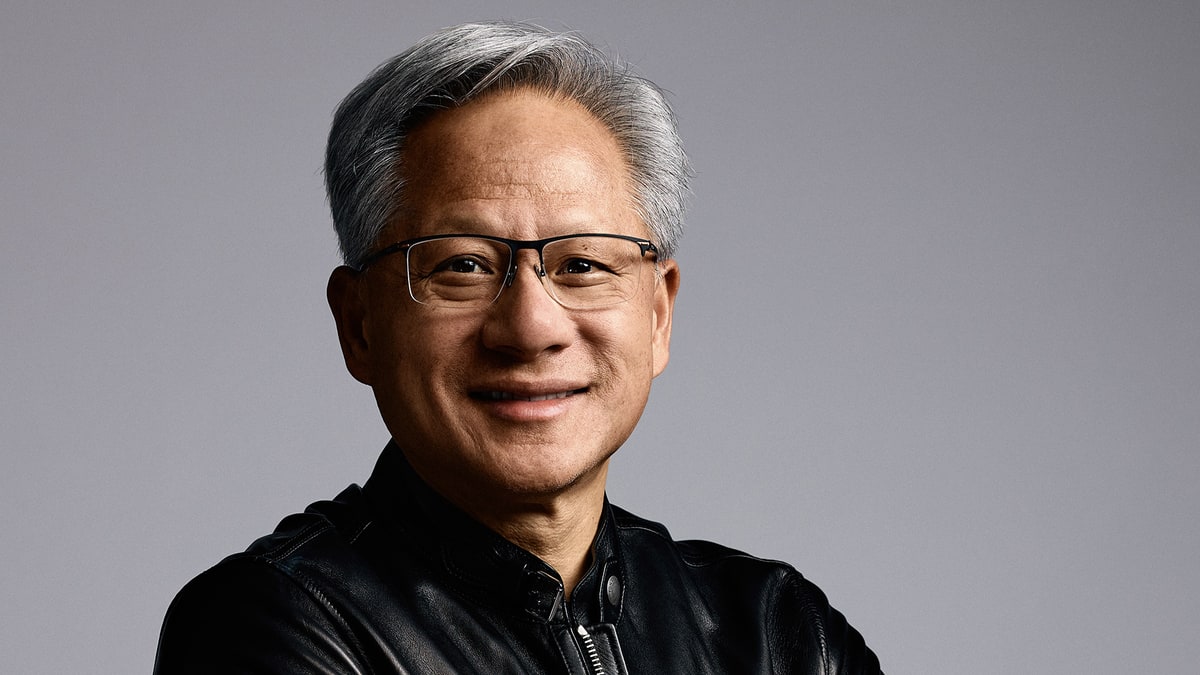
Nvidia reinstated Jensen Huang as CEO on November 23 after input from U.S. officials. What changes: a compliance chief, an export-control committee and a December hearing.
Table of Contents
Nvidia's board reinstated Jensen Huang as president, chief executive and board director on November 23, effective immediately. It came 11 days after he resigned. The vote was unanimous, according to Nvidia's announcement, and followed what the company called "a series of discussions and meetings" with Huang, after which the board said it was satisfied with his candor and his ability to lead.
"I am honored to return to NVIDIA and lead one of the most consequential technology companies in the world," Huang said in the release. In the headquarters atrium, in front of cheering employees, he put it more plainly, PBS reported: "I am going to be a better CEO the second time around."
Some things stay as they were during his absence. Harvey C. Jones remains chair of the board, a role created when Huang left. Huang is not chairman. Colette Kress, who ran the company as interim CEO, goes back to being only the CFO. Our November 14 report on the resignation covers how that interim arrangement was set up.
Huang resigned on November 12, according to Nvidia's 8-K filing. He left after reports of extramarital affairs, one of them with Alice Huang, a former executive of Singapore-based Megaspeed, a company suspected of smuggling Nvidia chips into China. Huang disclosed one affair in a note to employees. No family relationship between the two has been reported.
On the November 17 earnings call, Jones said Huang had "voluntarily resigned" after "disclosure of personal behavior inconsistent with the company's code of conduct" and that the board "does not intend to reinstate Jensen as CEO," as Fortune reported. Hours earlier, Huang had posted on X that he "would be honoured" to return.
Washington is what changed the board's mind. Nvidia's release says the board received "input from senior levels of the United States government" and concluded that bringing Huang back "poses no national security risk." CNBC reports that officials briefed directors late the week before that no national-security laws had been broken. Huang and the board then held their first talks since his exit on Saturday, and a second meeting on Sunday settled it.
President Trump told CNBC he spoke to the board "directly and indirectly," and told the AP that "my intervention was very important." Those are his claims; Nvidia's own wording stops at government input. An anonymous source cited by the AP says Vice President JD Vance also lobbied board members over the weekend. Outside government, Elon Musk, Gavin Baker and Brad Gerstner pushed publicly for the return, and Musk wrote on X that the board's "mistake has been corrected."
Huang returns with more oversight than he had before. Three measures come with the reinstatement.
None of these allegations has been proven. Attorney General Todd Blanche said the Justice Department has reached no conclusion on whether Alice Huang is a spy, though "of course DOJ is investigating or looking at it." Separately, DOJ is running a criminal investigation into possible export-control violations at Megaspeed, which says she left the company in 2025.
Nvidia shares closed up about 31% on the day, CNBC reported, after opening 33% higher at $165.57. That move added nearly $1 trillion to the company's market value and took the stock from roughly $125 to around $165.
That is still about 31% below the all-time high of $239.24 set in October. The rally gets the stock off its lows, not back to where it was.
It also ended a seven-day losing streak that had pushed the S&P 500 into correction territory. By early afternoon the S&P 500 was up 4.8%, the Nasdaq 6.6% and the Dow 3.2%. GPU cloud providers CoreWeave and Nebius each rose more than 30%, which shows how closely investors still tie the whole AI infrastructure trade to one company's leadership.
For anyone buying, renting or building on Nvidia hardware, the practical message is continuity. During the interim the board had already promised that operations, customer commitments and the product roadmap would continue uninterrupted, and Kress called the November 17 quarter "business as usual." Now the founder who set that roadmap is back. Neither the resignation nor the return came with any announced change to products, pricing or delivery schedules, as of November 24, 2026.
The thing to watch is compliance, not product. A board committee dedicated to export control and a compliance chief who reports to the board point to stricter checks on where chips end up. Resellers and cloud operators in markets Washington watches for diversion would feel that first. The Megaspeed case is in Singapore. Nvidia has not announced any change to its sales terms, so for now this is the direction of travel, not a new rule.
Rivals lose a talking point. A rudderless Nvidia was an opening for AMD, whose MI455X Helios launch was aimed at the same data-center buyers. That opening lasted 11 days.
The scrutiny moves to Capitol Hill next week. On December 1, Huang sits for a closed-door transcribed interview with the House Foreign Affairs Committee and two other committees. Nvidia general counsel Tim Teter follows on December 2. On December 3, Senate Banking Chairman Tim Scott says Huang will testify publicly as the sole witness at a hearing titled "Protecting America's AI Advantage: Oversight of U.S. Export Controls."
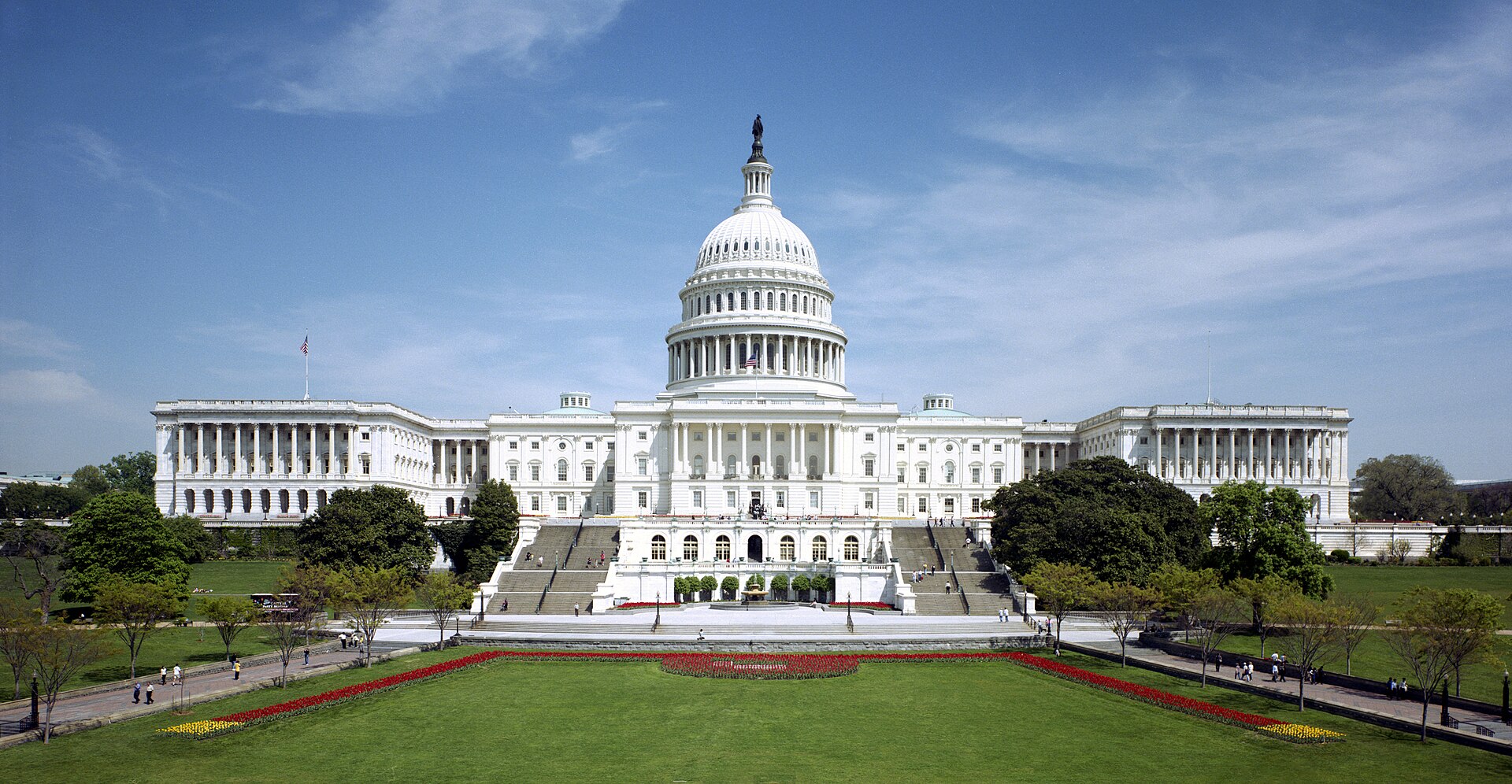
Critics are not satisfied. Sen. Elizabeth Warren says Huang, Nvidia's executives and its board still owe Congress answers on export-control compliance. Sen. Andy Kim says Americans deserve to know what Nvidia and the administration knew and when. Senate Democratic Leader Chuck Schumer says the rush to reinstate Huang "underscores the need for Congress to act."
The AP compares the episode to Sam Altman's ouster and quick return at OpenAI. Altman's return ended his story. Huang's still has an open internal investigation, a DOJ case circling a former Megaspeed executive, and three days of questions in Washington.