US Moves to Close the AI Chip Rental Loophole for Chinese Firms
A new US rule makes data centers anywhere get a license to rent large AI compute to Chinese firms, and adds a license for AI chips to five countries.
News Report

What the rule does
US export controls already required a license to ship advanced AI chips to companies headquartered in China. They did nothing about a Chinese lab renting the same chips in a data center in Singapore or Kuala Lumpur and training over the network. On Monday, 16 November, the Commerce Department's Bureau of Industry and Security (BIS) released an interim final rule aimed at that gap: "Addressing Remote Access to Advanced Semiconductors" (RIN 0694-AK50). BIS calls it a "logical extension" of existing controls, Al Jazeera reports.

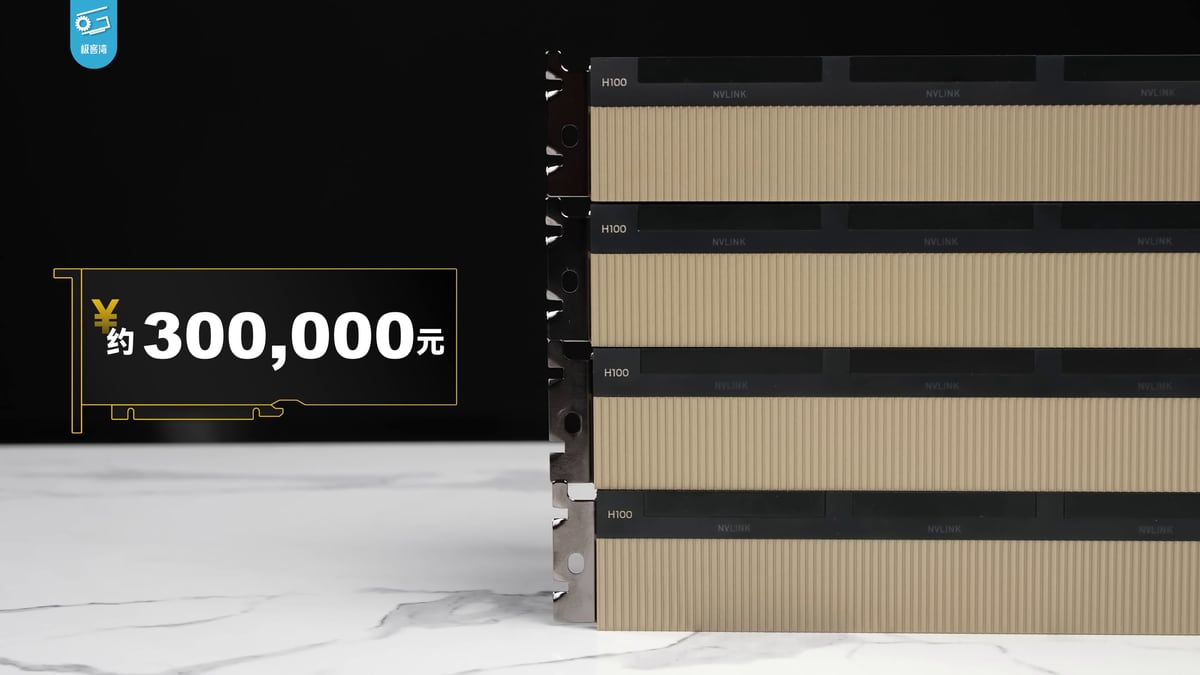
The rule does two separate things. First, a data center anywhere in the world now needs a US license for advanced chips if it will give a "significant volume" of compute to a company headquartered in China, Macau or another Country Group D:5 destination, or to a company whose ultimate parent is. Second, exporting covered chips to Indonesia, Malaysia, Singapore, Thailand or Brazil now needs a license no matter who the buyer is. BIS lists those four Southeast Asian countries and Brazil as carrying an "unacceptable risk of diversion".
It takes effect when it is published in the Federal Register, which reporting puts at 19 November. The details below were checked on 18 November 2026 against the pre-publication text on bis.gov, where the effective and comment dates are still placeholders.
What it changes for anyone renting GPUs
Until now, a GPU-as-a-service operator in Southeast Asia could buy Nvidia hardware legally and rent it to anyone. The paperwork ended at the chip sale. Now it follows the workload. "The regulatory burden has fundamentally shifted from hardware manufacturers to cloud service providers and enterprises," Neil Shah, vice president of research at Counterpoint, told Reuters.
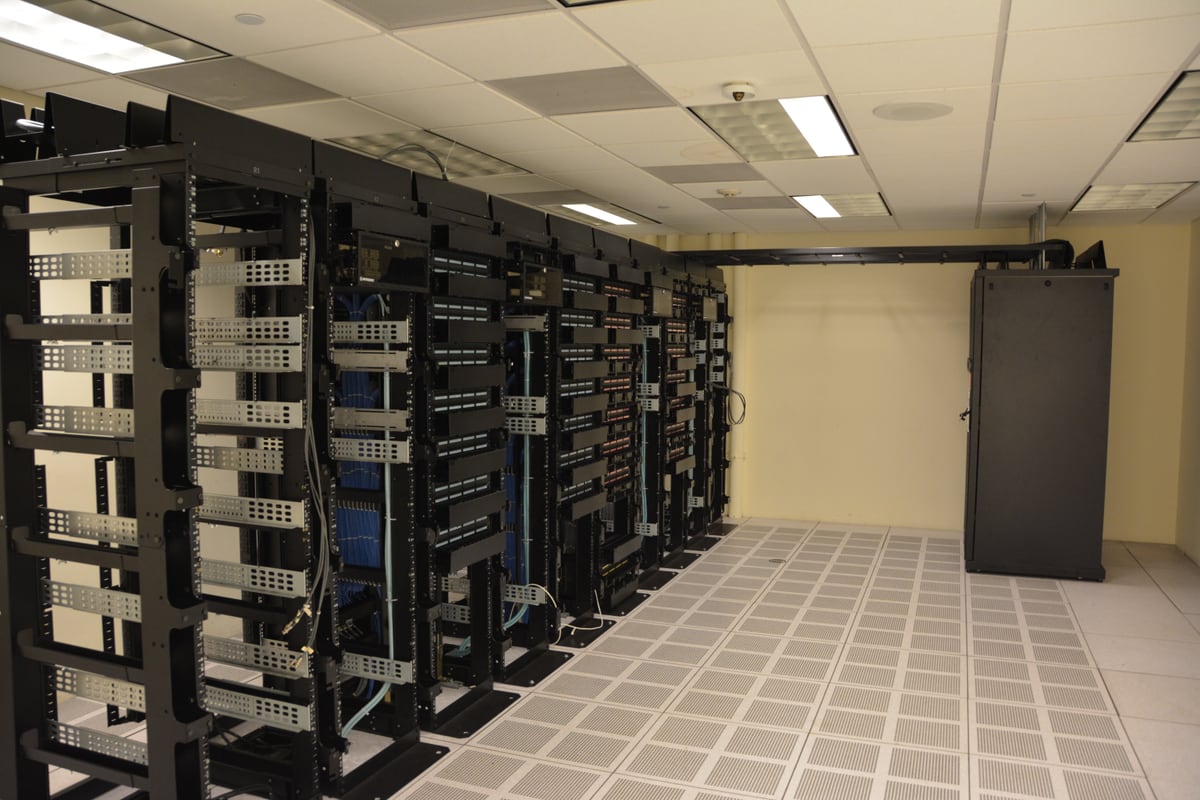
For a regional GPU cloud with China-headquartered customers, the before and after is stark. A license is now needed to keep serving them above the threshold, and applications involving D:5 entities are reviewed under a presumption of denial. Operators that were already doing this before publication get 90 days from the effective date to obtain a license "or face future export restrictions". The Thai Data Center Association's vice chairman, Supparat Sivapetchranat Singhara na Ayutthaya, summed up the practical result as "a halt of Chinese end users to utilise GPU as a service in Thailand."
Customers will feel it at signup. Data centers, foundries and chip exporters must "perform robust due diligence on their customers, including any direct or indirect ownership or control" by persons in D:5 countries or Macau. Because the test is where the ultimate parent is headquartered, a Singapore-registered subsidiary of a Chinese group counts as Chinese for this purpose. Expect ownership questionnaires and slower onboarding.
Buyers of the chips themselves get a split outcome. A company headquartered in the US, or whose ultimate parent is, is exempt from the five-country license, provided the exporter meets the new reporting rules in §743.10. A locally owned Malaysian or Thai operator gets no such carve-out and now joins the license queue. That tilts the regional market toward US hyperscalers.
The threshold and the exemptions
"Significant volume" has a number: access to more than 12,000,000 "aggregate TPP" (Total Processing Performance, the summed TPP of a group of chips). It is counted at one site or across "linked data centers", which includes sites joined only by networking that lets them share resources, balance workloads and replicate data "as a unified whole". Splitting a cluster across two buildings does not reset the count. The rule does not translate the figure into a number of GPUs.
The biggest carve-out is for "commercial recommender systems", such as those run by online retailers and social media companies, which BIS says "do not pose the same national security threat". Reason argues that this appears to cover ByteDance and Alibaba; the rule itself names no company. The text also gives operators already serving recommender workloads 90 days before they too must hold a license to continue, so the exemption is narrower than its headline.
Chipmakers are in scope as well. A new license requirement covers advanced-node chips classed under 3A090.a when they are designed by a company that is neither an approved nor an authorized IC designer, which Reason notes reaches foundries such as TSMC and packaging and test firms. The rule also formally rescinds the Biden-era AI Diffusion rule of 15 January 2025, which BIS says "has never been enforced".
One oddity: following Executive Order 14434, the rule says "SI" (Super Intelligence) where earlier rules said "AI". "Advanced SI semiconductors" are the same AI chips, under ECCNs 3A090.a/.b and 4A090.a/.b.
How markets and governments reacted
Asian data-center stocks fell hard on Tuesday, 17 November, according to Reuters. Malaysia's MN Holdings and Critical Holdings dropped nearly 20%, and YTL Power, an Nvidia AI infrastructure partner, fell nearly 10%. In Singapore, Frencken lost 3.91% and AEM 2.9%. Alibaba fell 5% and Tencent 3%. China's SMIC, a likely winner if Chinese labs turn to domestic chips, rose 7%.
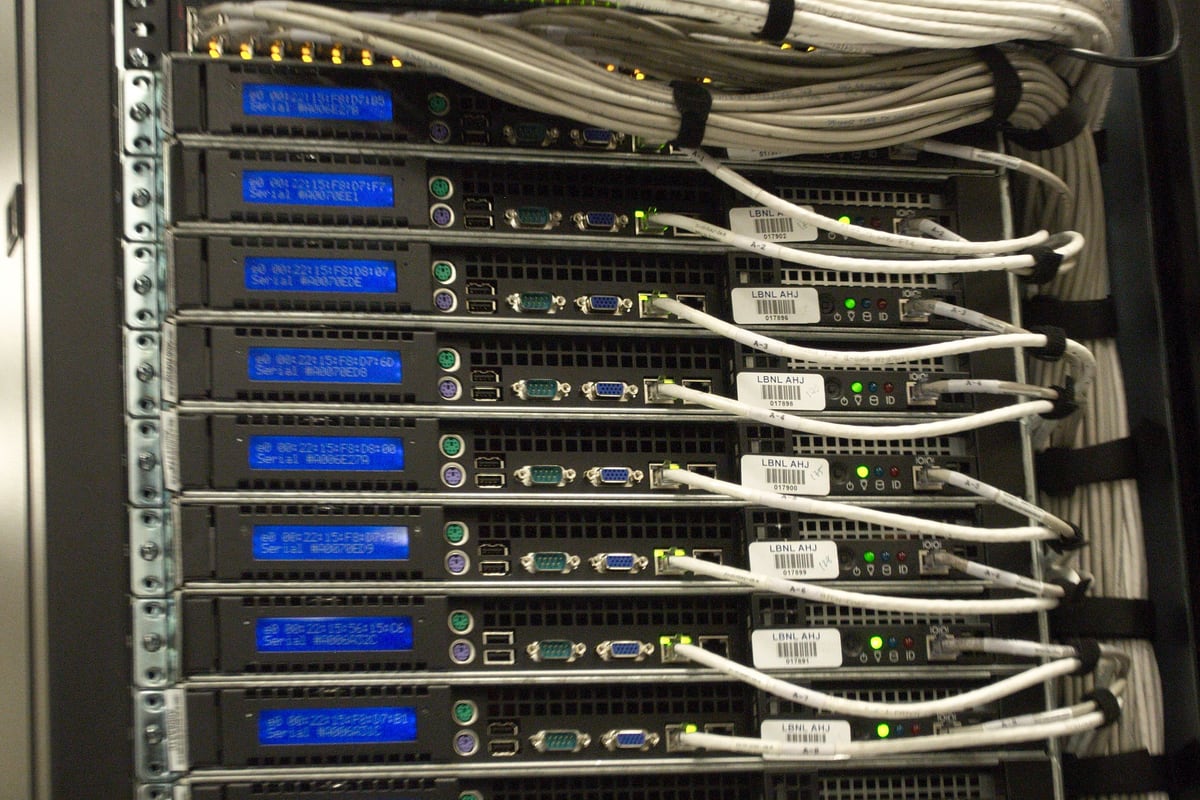
Malaysia has approved 385.7 billion ringgit (about $95 billion) of data-center-related investment since 2021. Thailand had 42 data centers, 3,400 MW of IT load and about 750 billion baht (about $23 billion) of investment as of February. Indonesia's market was valued at $2.81 billion in 2025. "This could mean weaker utilisation, pricing pressure and delayed expansion," said Charu Chanana, chief investment strategist at Saxo in Singapore.
Malaysia's trade minister, Johari Abdul Ghani, said the country has no plans to negotiate with Washington: "If you want to be in this game, you have to follow the regulation." Singapore's trade and digital ministries said, "We are engaging affected companies to understand the potential impact on their businesses," and added that Singapore does not condone companies using it to get around other countries' laws.
What happens next
The clock starts at Federal Register publication. From that day, existing providers have 90 days to get licensed, shipments already en route under actual orders have 30 days to finish under the old rules, and the public has 60 days to comment on regulations.gov, citing RIN 0694-AK50. As an interim final rule, it applies while comments are open.
BIS also says it will watch for countries that "tolerate evasion". Its listed responses run from import restrictions and new license requirements to Entity List designations and temporary export bans.
The rule arrived alongside an enforcement case. On the same Monday, Commerce and the Justice Department confirmed a criminal investigation into Megaspeed, a Singapore-based Nvidia partner that rents out computing power, saying they "will bring the full extent of the law against Megaspeed for any criminal conduct that may have occurred." It also came days after Jensen Huang resigned as Nvidia's CEO; on 16 November Nvidia fell 4.1%, the Nasdaq Composite 2.5% and the S&P 500 1.9%. Beijing has said it would take countermeasures against further US chip curbs, though that warning came before the rule was final.
For teams training on rented GPUs in Singapore, Malaysia or Thailand, the practical question is who owns your company, not where your servers sit. A US- or European-owned startup should expect more paperwork and probably tighter capacity, but it keeps its access. A team whose parent is in China should plan for that access to end within 90 days of publication, and look at domestic hardware the way DeepSeek already has.
Images: Herbert C. Hoover Building by Gunnar Klack (CC BY-SA 4.0); data-center racks by Carl Lender (CC BY 2.0); Nvidia H100 by Geekerwan (CC BY 3.0); rack cabling by Derrick Coetzee (CC0); BIS seal, US government work. All via Wikimedia Commons.