Browse Category
Business
Company formation, bookkeeping, CRM, and workforce tools that handle the operational side of running a business.
Software
Software
Software
Software
Software
Software
Software
Software
Software
Software
Software
Software

Hyax is on its third product: a $29 AI-agent CMS that bundles blog, email, courses, store and community. We checked the pricing page, terms and help centre to see what the replace-everything claim leaves out.

Teachable rebuilt its pricing in 2025: no free plan, a 7.5% fee on Starter and monthly charges for students who never paid. Here is what a school really costs, and when Podia, Kajabi or Thinkific is the better buy.

Thinkific raised prices about 10% in August and now charges up to 5% on sales outside Thinkific Payments. What Basic, Start and Grow really cost, what you cannot export, and who should pick Teachable or Kajabi instead.

BigCommerce renamed its plans, cut the sales caps that force an upgrade and added a 2% to 0.6% fee on orders through unlisted processors, offline invoices included. It still suits mid-size and B2B stores on Stripe or PayPal; small stores now do better on Shopify or Ecwid.

Ecwid still embeds a full store into the site you already have, with no transaction fee of its own. But the free plan is gone, prices are up about 40%, and sizes, subscriptions and staff accounts all wait behind the $49-$65 Business plan.

Podia dropped its free plan and folded community into three plans from $49 to $179. The 5% fee on Mover, email priced by list size and no course export decide whether it is still the cheap option.

AmeriCommerce runs many storefronts and B2B portals from one admin, but its pricing page is a 404, owner Cart.com now sells logistics, and a non-Nuvei gateway costs up to 0.50% extra.

AutomatorWP gives away 600+ WordPress triggers and actions and sells every add-on for $149 a year on two sites, $50 less than Uncanny Automator charges for one. Twelve CVEs in twenty months are the catch.

Uncanny Automator's free recipe builder is still the easiest way to make WordPress plugins talk to each other. The new AI agent, a 51% dearer Pro plan and June's backdoored Pro update are what the buying decision now turns on.

Pabbly Connect bills only action steps, so triggers, filters and routers run free. But "Unlimited" means 100,000 tasks you reset by hand, and the $349 lifetime plan gets 3,000 tasks and no support.

Parabola shelved its drag-and-drop canvas in June 2026 and relaunched as Prowork, an AI agent builder for finance and ops. Public prices are gone, overage credits cost 20% more than a year ago, and the hard limits live in the docs.

HighLevel folds CRM, funnels, SMS, booking, reviews and courses into one plan from $97/month. The real bill adds a metered wallet and per-location AI fees. Here is who it fits and who should skip it.

Tray.ai publishes no price. The only list figure is $150,000 a year on AWS Marketplace, its agent tools are a paid add-on, and AI steps burn Tasks at a ratio only support will tell you. Here is what each plan actually buys.

Plinthos is a rental manager built for the room-by-room shared house, not the apartment block: free tenant accounts, per-bed pricing, and automatic bill-splitting are the actual product.

Albato Pro starts at $15/month for 1,000 transactions with unlimited steps - cheaper than Zapier, but every tool step bills, overage auto-buys at +50%, there is one seat and no export.

SureTriggers is now OttoKit: a Brainstorm Force automation platform built around WordPress, with a 250-task free plan, $9/month Pro and lifetime plans from $499. The free tier has no filters or delays, logs vanish after 3 days, and the connector plugin had two actively exploited admin-takeover bugs in 2025.

Apollo.io, Hunter, Snov.io, Woodpecker, Reply.io, Waalaxy, Bardeen, Pipedrive, Salesforce and Zoho CRM compared by the job each does, what a usable lead really costs, and which ones to combine.

Livestorm runs webinars entirely in the browser and, as of 2026, charges by the person who shows up rather than by room size. That pricing switch is the whole story here: it rewards a few high-value events and punishes a busy public funnel. Here is who it fits.

Pipedrive was built by salespeople who hated their CRM, and it shows: everything orbits one drag-and-drop pipeline. Here is what the plans really cost in 2026, where the add-ons bite, and who should pick something else.

Kinguin is a marketplace, not a shop: third-party sellers set the prices, and that is how the keys get so cheap. Here is how Buyer Protection works, where region locks bite, and when to just buy from Steam.
 Software
Zendesk is the help desk most support teams get compared against. It handles email, chat, voice and social from one workspace, backs it with the biggest app marketplace in the category, and charges accordingly. Here is what it costs after the 2026 AI-metered pricing, where it earns the money, and when a smaller team should walk to Freshdesk instead.
 Software
Freshdesk is the help desk small teams reach for when Zendesk quotes come in too high. It has a working free plan, paid tiers that start at $19 an agent, and a setup you can finish before lunch. Here is what the free tier really includes, where the low price stops being a bargain, and who should pay for Zendesk instead.

Salesforce is the CRM every other CRM is measured against. It is also the most expensive and the most demanding to run. Here is what the four editions cost in 2026, what Agentforce adds, and the costs that never appear on the pricing page.

Zoho CRM is free for three users, tops out cheaper than most rivals' mid tier, and plugs into fifty-odd other Zoho apps. The catch is sprawl and polish. Here is the 2026 pricing, what Zia AI adds, and who it fits.

Freshsales bundles a working phone, email, and Freddy AI into one of the friendliest CRMs going, and starts at $9 a seat. But the free plan strips the good parts and AI hides behind the Pro jump. Here is the 2026 breakdown.
 SoftwareRoundup
HubSpot is the best free-to-scale all-rounder, Zoho CRM wins on value, Pipedrive keeps sales dead simple, Freshsales bundles a real phone, folk is built for relationship-led teams, and Salesforce is still where big companies end up. We compare all six on price, setup, automation, and where each one breaks.

Zendesk, Freshdesk, Intercom, Tidio and Help Scout, with real 2026 prices and the AI fees the pricing pages bury. The right pick depends far more on your team size than on the feature grid.

ChatBot.com lets you train an AI support agent on your website in minutes, no code required. But the pricing quietly moved to a per-seat, per-resolution meter that can cost far more than the $19 sticker suggests.

Sellfy charges a flat monthly fee and 0% per sale, but every plan has a yearly sales cap, Stripe and PayPal fees still apply, and you file your own EU VAT. Here is where it beats Gumroad and where it does not.

HubSpot's CRM is genuinely free and genuinely good. The question every buyer should ask is what happens at the upgrade. Here is the real pricing, the Starter-to-Professional cliff, and who should look elsewhere.

Fiverr connects businesses with freelancers offering ready-to-buy "gigs" across 700+ categories — from logo design and copywriting to video editing and AI services. Here is how it really works, what the fees add up to, and who should (and shouldn't) hire through it.

folk is a lightweight, AI-powered CRM built for teams who hate CRMs. It pulls contacts from LinkedIn, Gmail, and WhatsApp, enriches them in one click, and lets AI assistants handle follow-ups and research. This review breaks down its features, pricing, and who it is really built for.
 Software
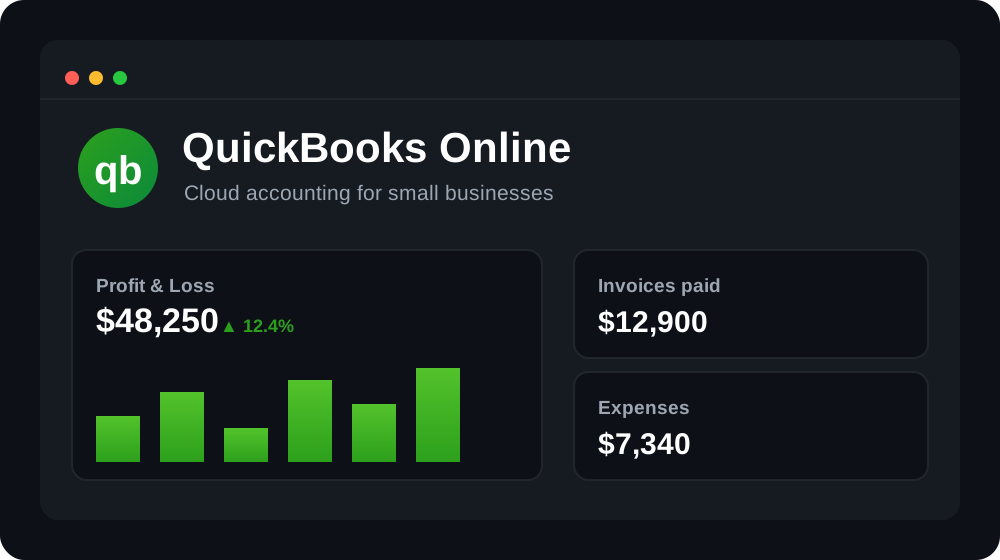
QuickBooks Online by Intuit is the most widely used cloud accounting software for small businesses, covering invoicing, expense capture, bank reconciliation, reporting, and payroll. Here is what each plan does, what it really costs, and where it falls short of rivals like Xero.
 Software
TimelinesAI connects multiple WhatsApp numbers to a shared team inbox and syncs every conversation to your CRM — HubSpot, Pipedrive, Zoho, Salesforce and more. It adds automations, mass messaging, and analytics on top. Here is how it works, what it costs per seat, and who should use it.

Firstbase.io turns US company formation, registered agent, mailroom, bookkeeping, and tax filing into one dashboard — built for founders anywhere in the world. This review breaks down its products, real pricing, pros and cons, and who it is truly worth it for.
 Software
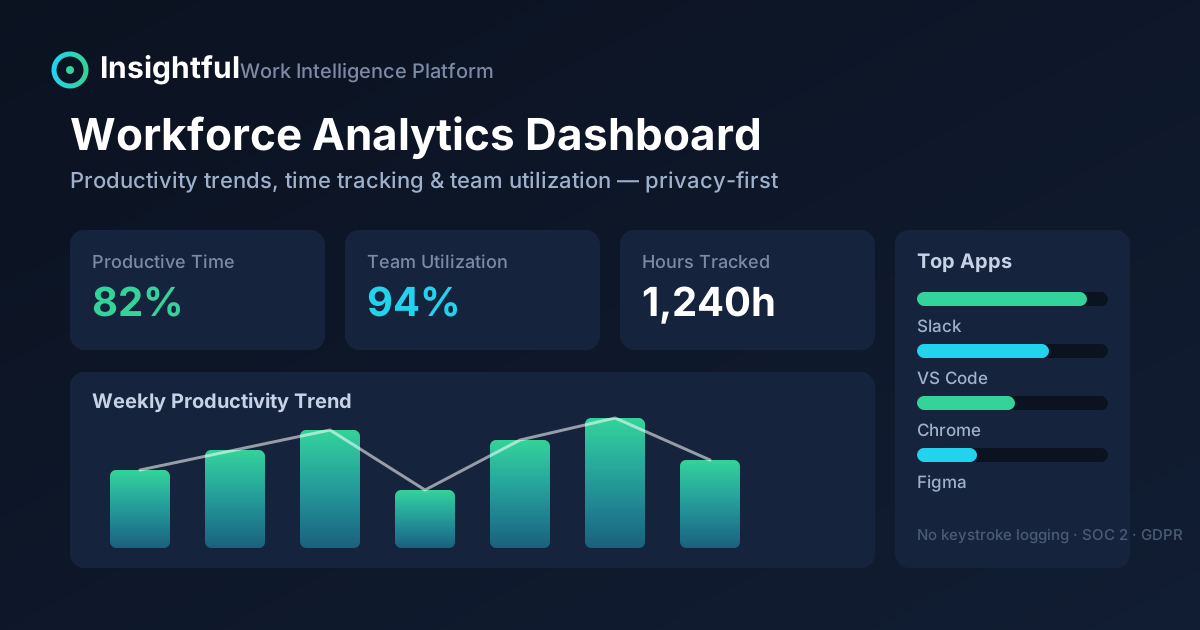
Insightful (formerly Workpuls) is a work intelligence platform that turns app usage, time tracking, and productivity trends into hard operational data — without keystroke logging. Here's how it works, what it costs, and whether it's worth it in 2026.